
Portugal. Part 2. Madeira. Oct, 2026
After exploring the charming city of Porto, we set off for the amazing island of Madeira — the island of eternal spring, towering mountains, and breathtaking scenery. Here, we drove along steep, winding roads, watched the sunrise above the clouds, wandered through a mysterious misty forest and beautiful gardens, admired the endless ocean views, swam in natural volcanic pools, and tasted unusual tropical fruits. Five days of unforgettable experiences lie ahead...
You can read about the beginning of our trip in Porto here.
Day 4. Exploring Funchal
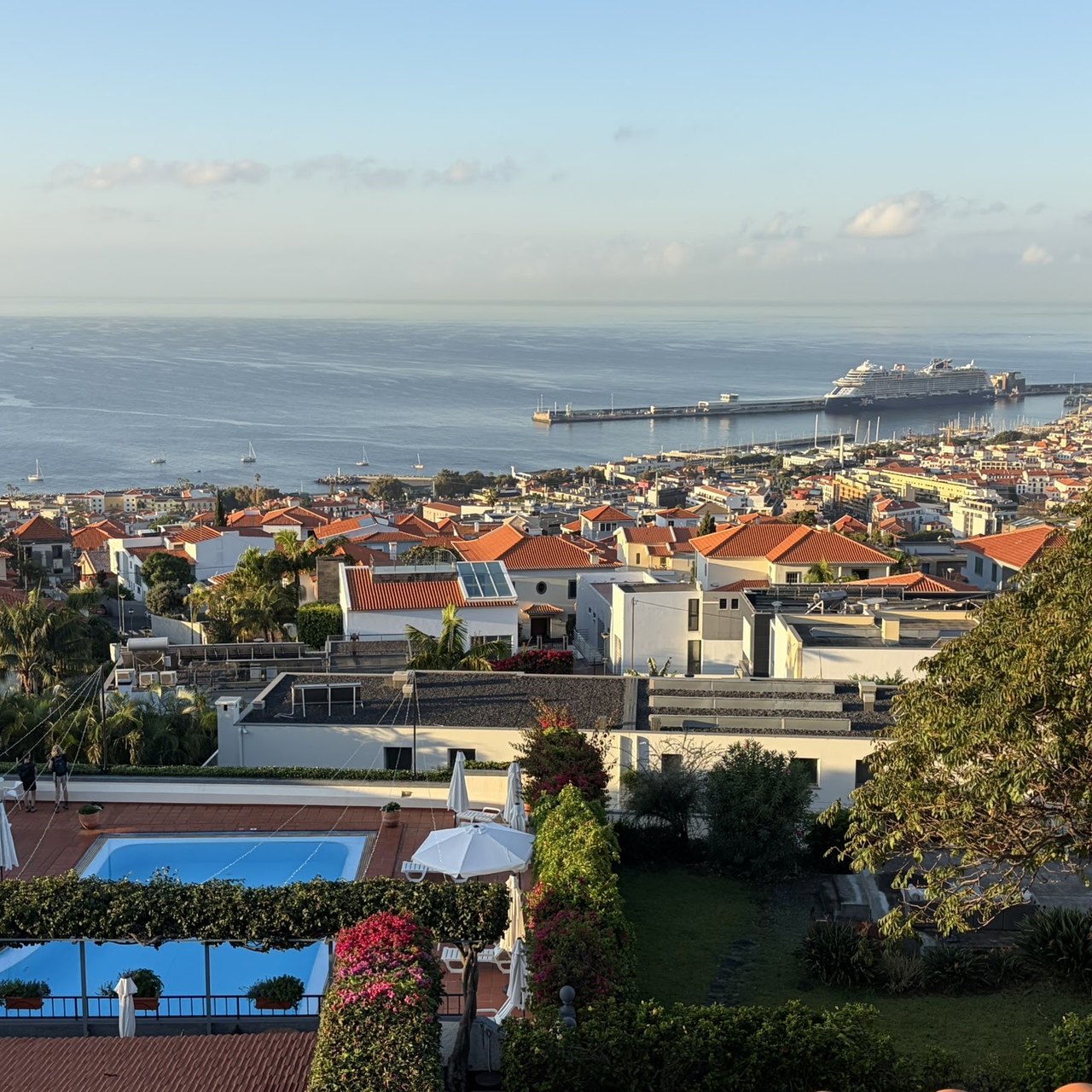
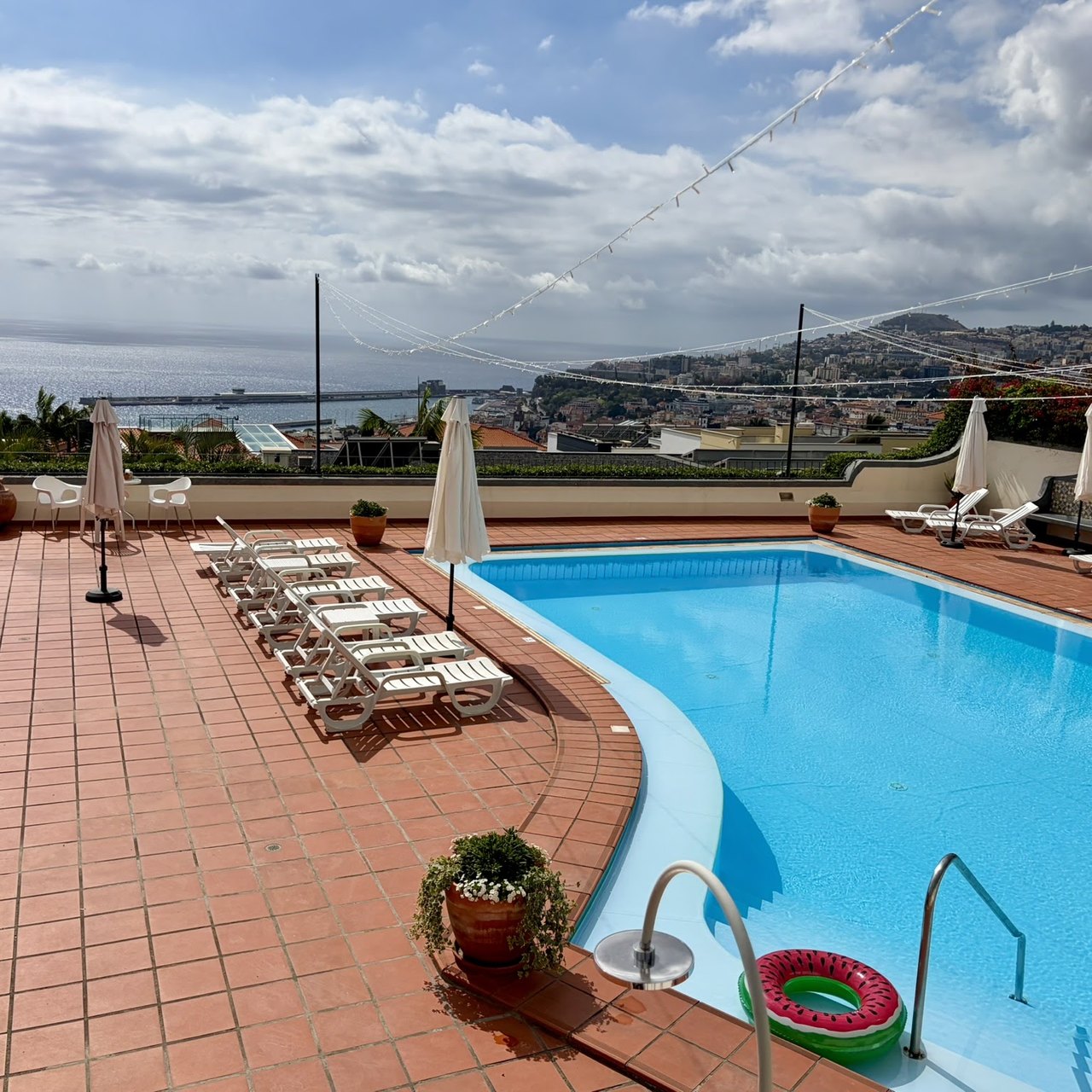
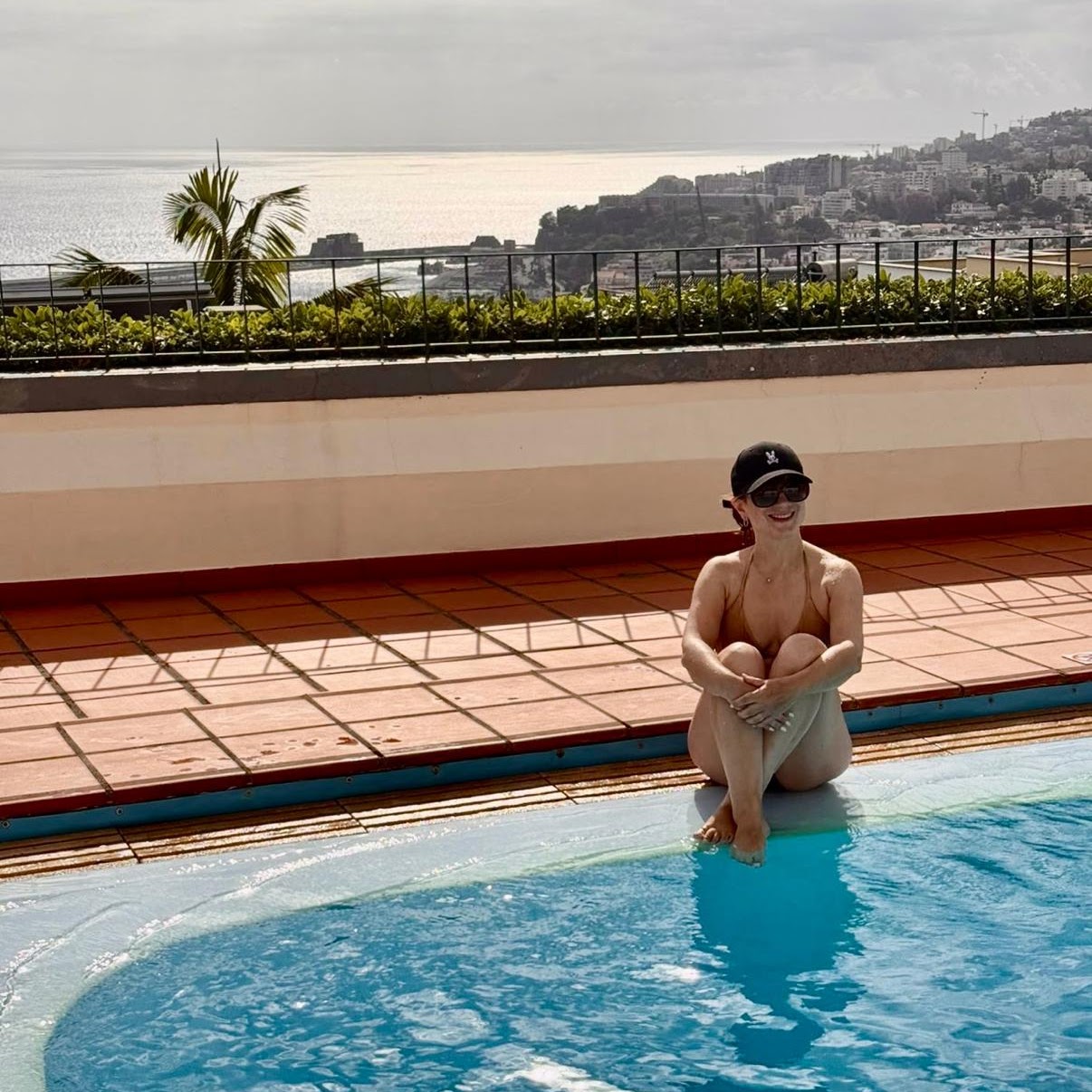
We stayed at QuintaMae Dos Homes, a very cozy place nestled in lush greenery on a hillside, with lovely ocean views, about a 15-minute walk from the old town. Although that’s 15 minutes downhill — getting back up to the hotel on foot is practically impossible! :)
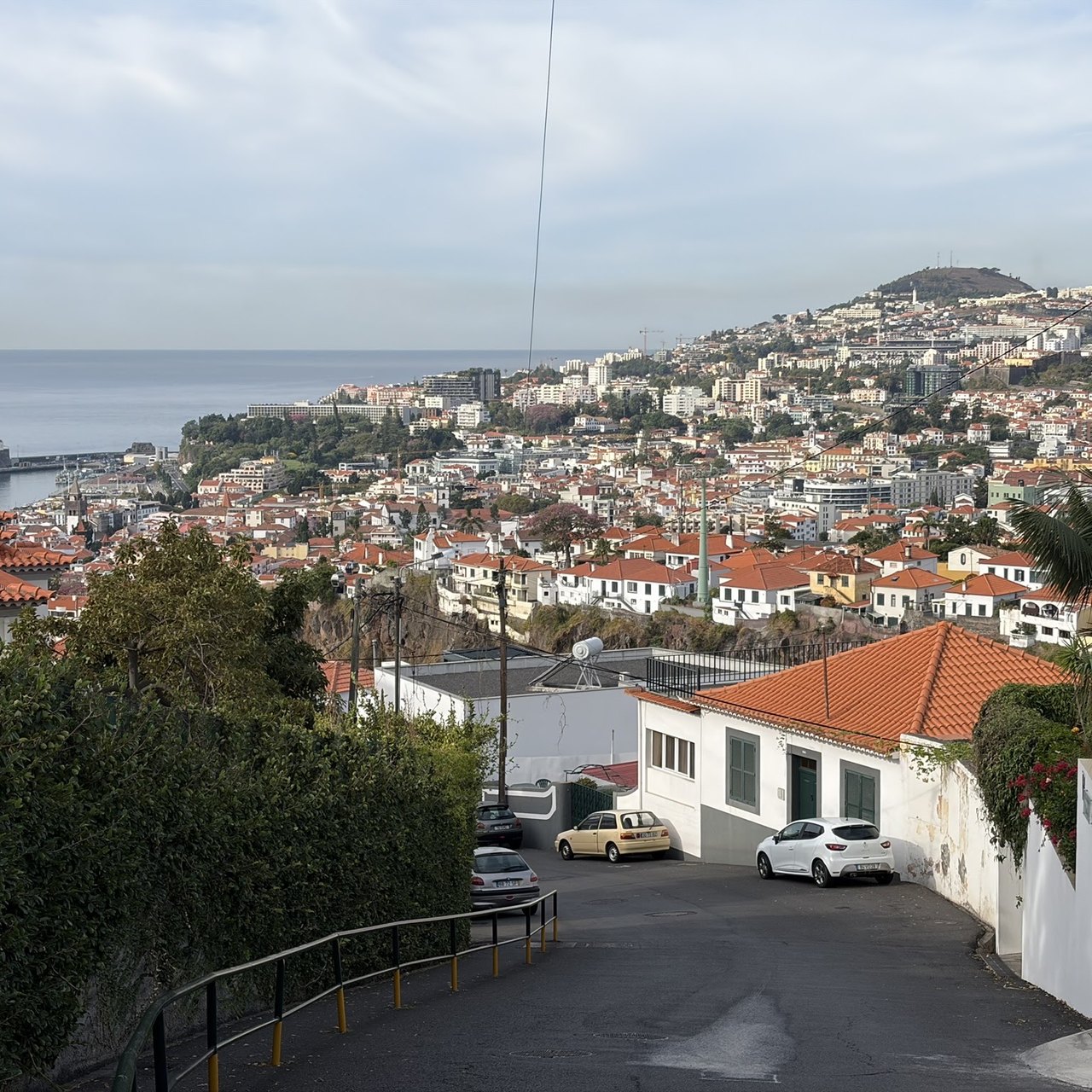
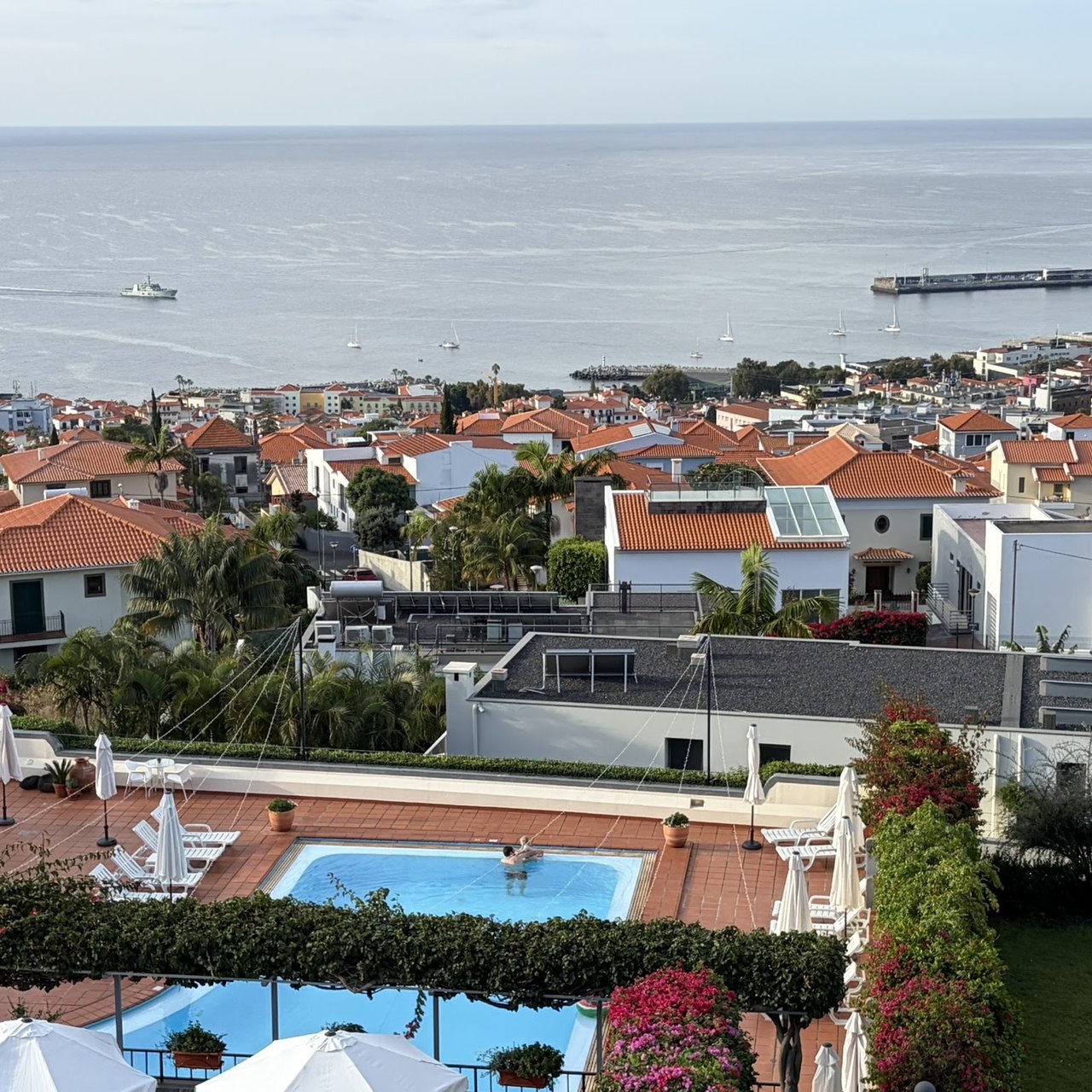
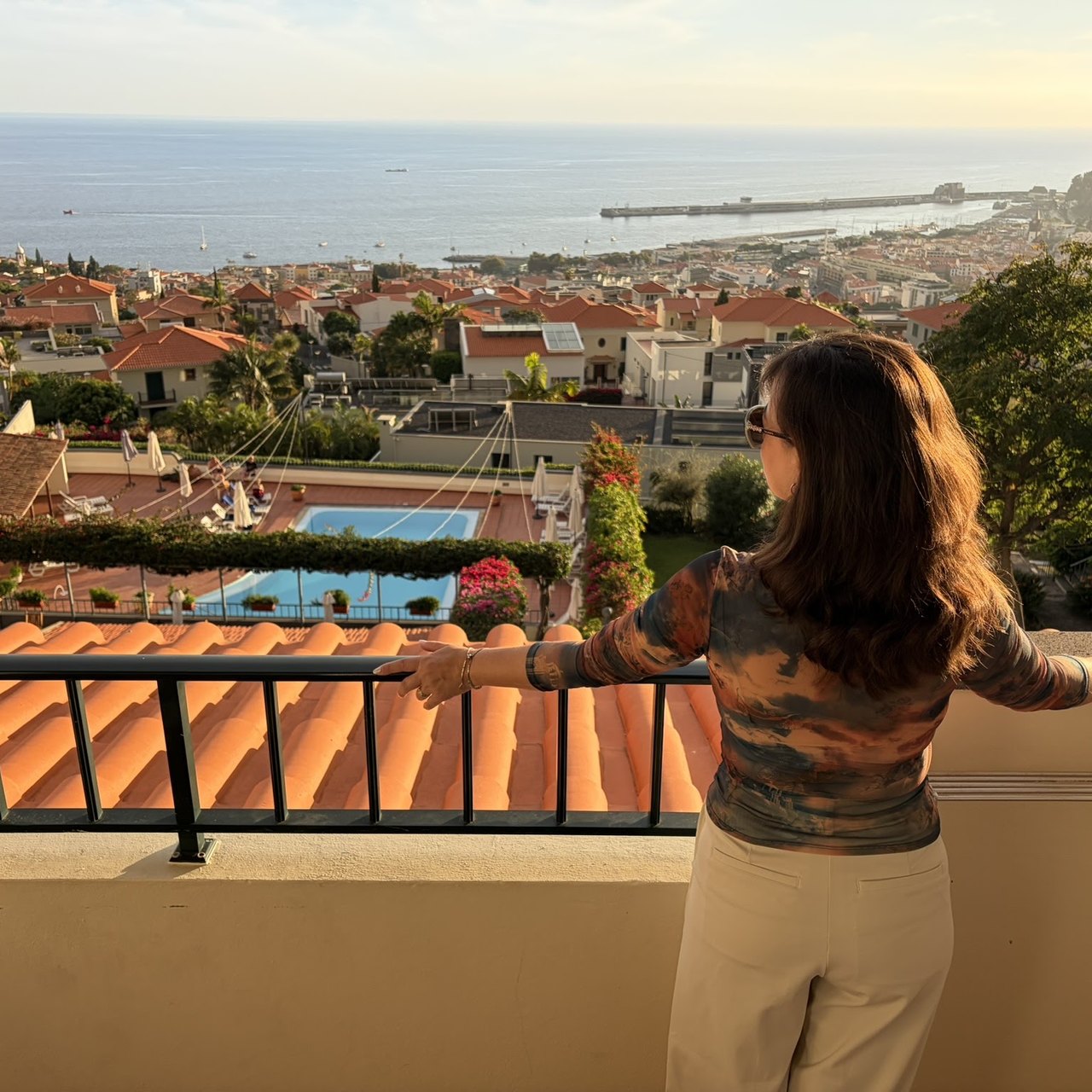
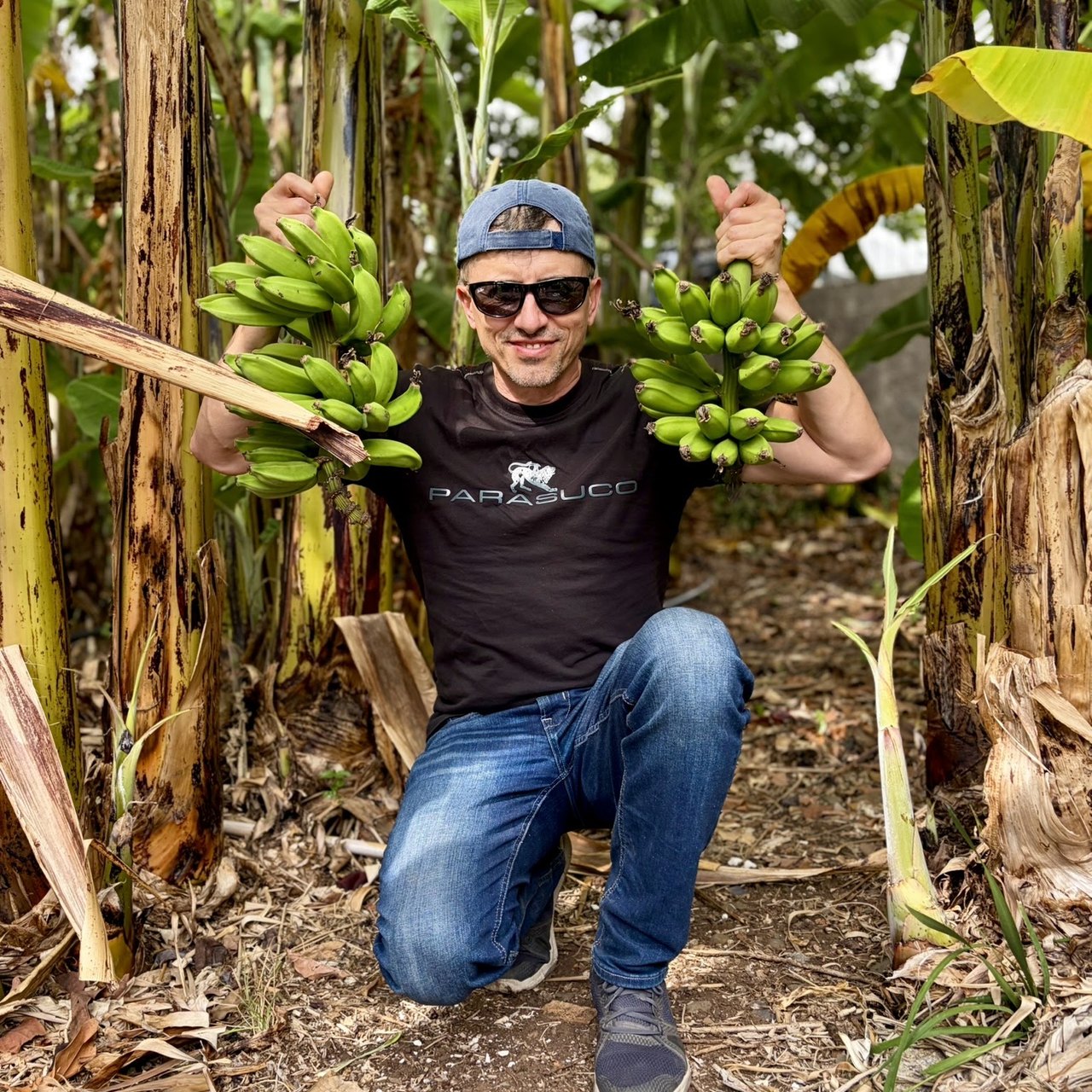
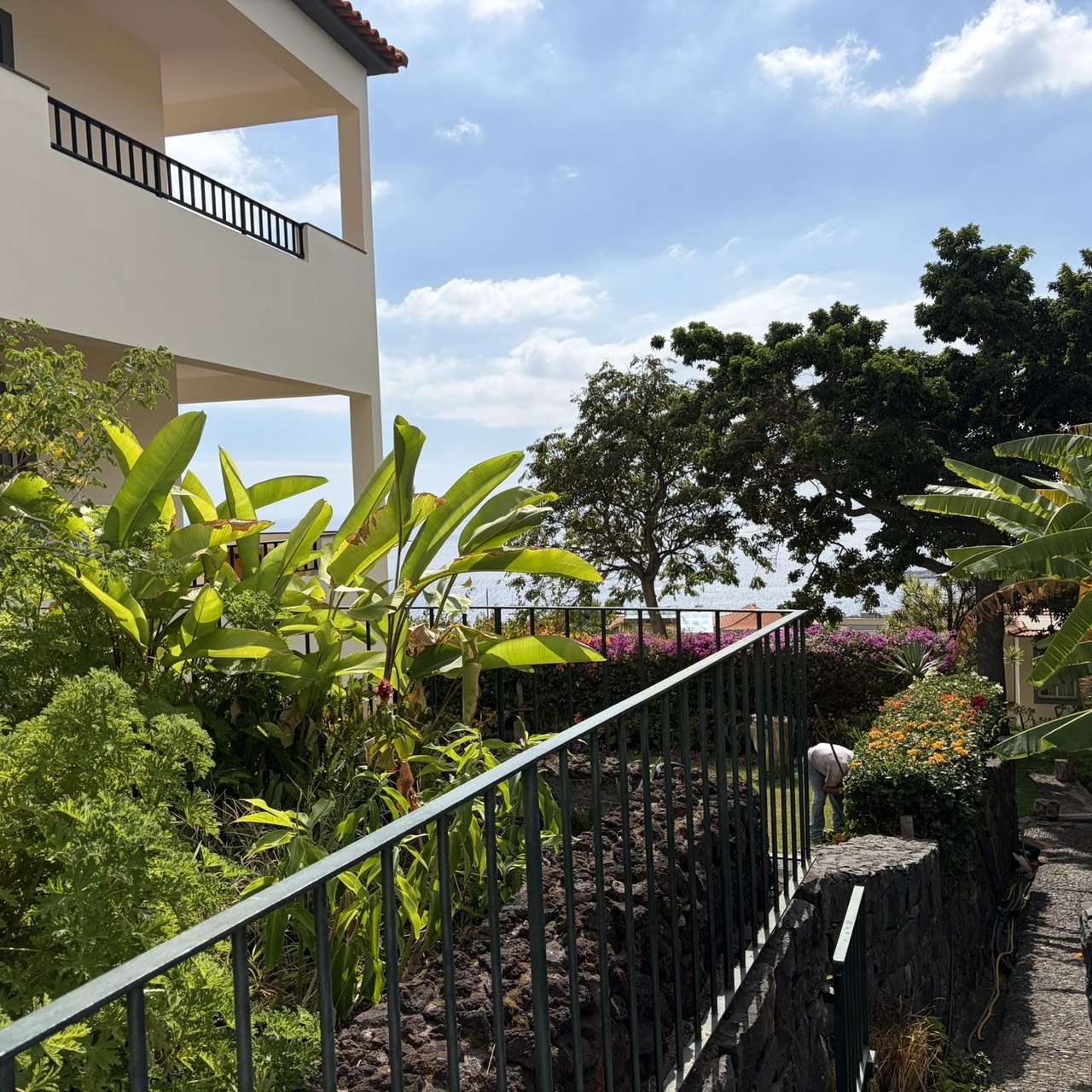
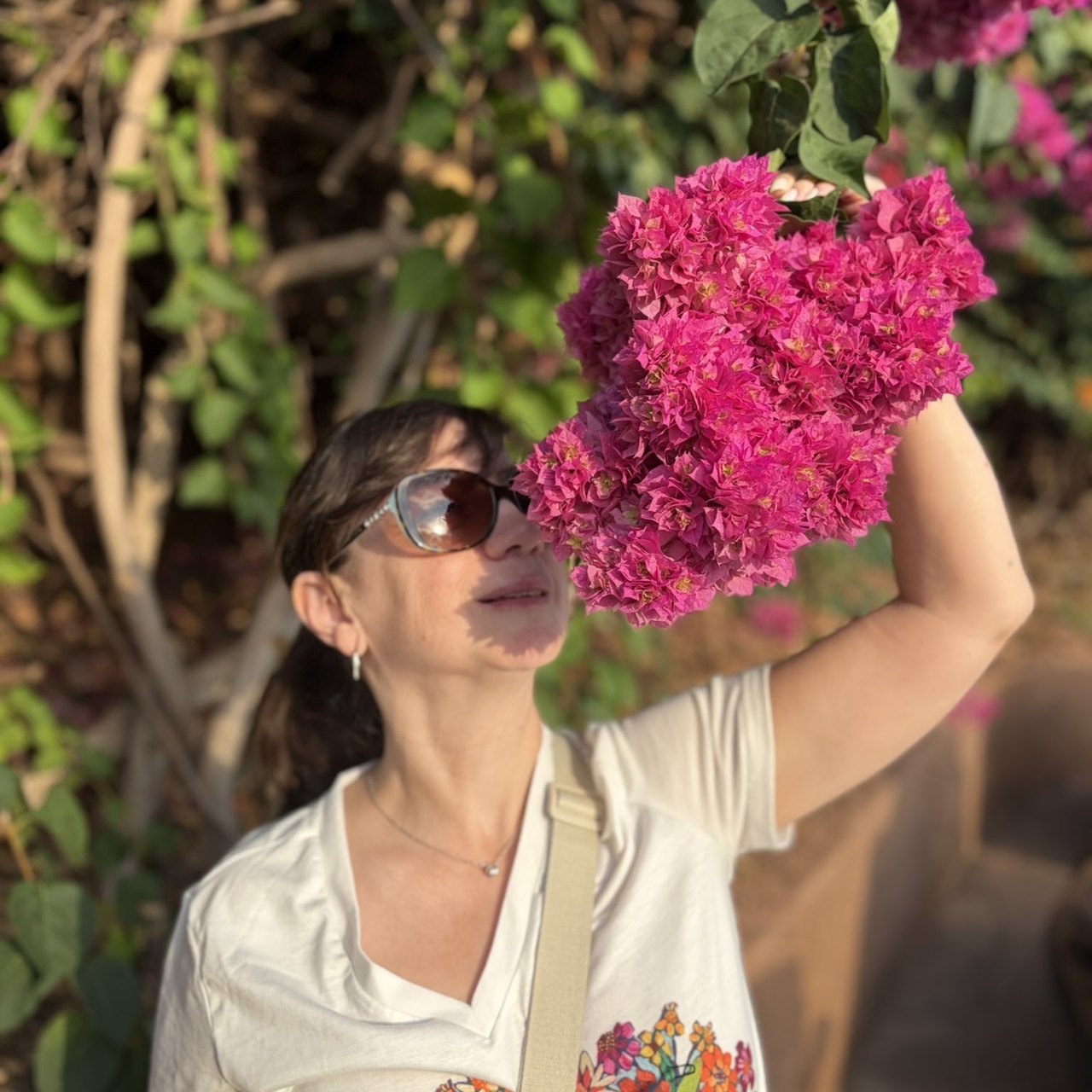
We had never been anywhere quite so hilly before. Funchal, the capital of Madeira, is literally spread across the slopes of mountains that descend towards the ocean. You’re constantly walking downhill or climbing back up, and some streets are so steep they feel more like staircases. And it’s not just the city — almost the entire island has a mountainous volcanic landscape. As a result, the roads are often narrow, winding, and full of very steep climbs and descents.
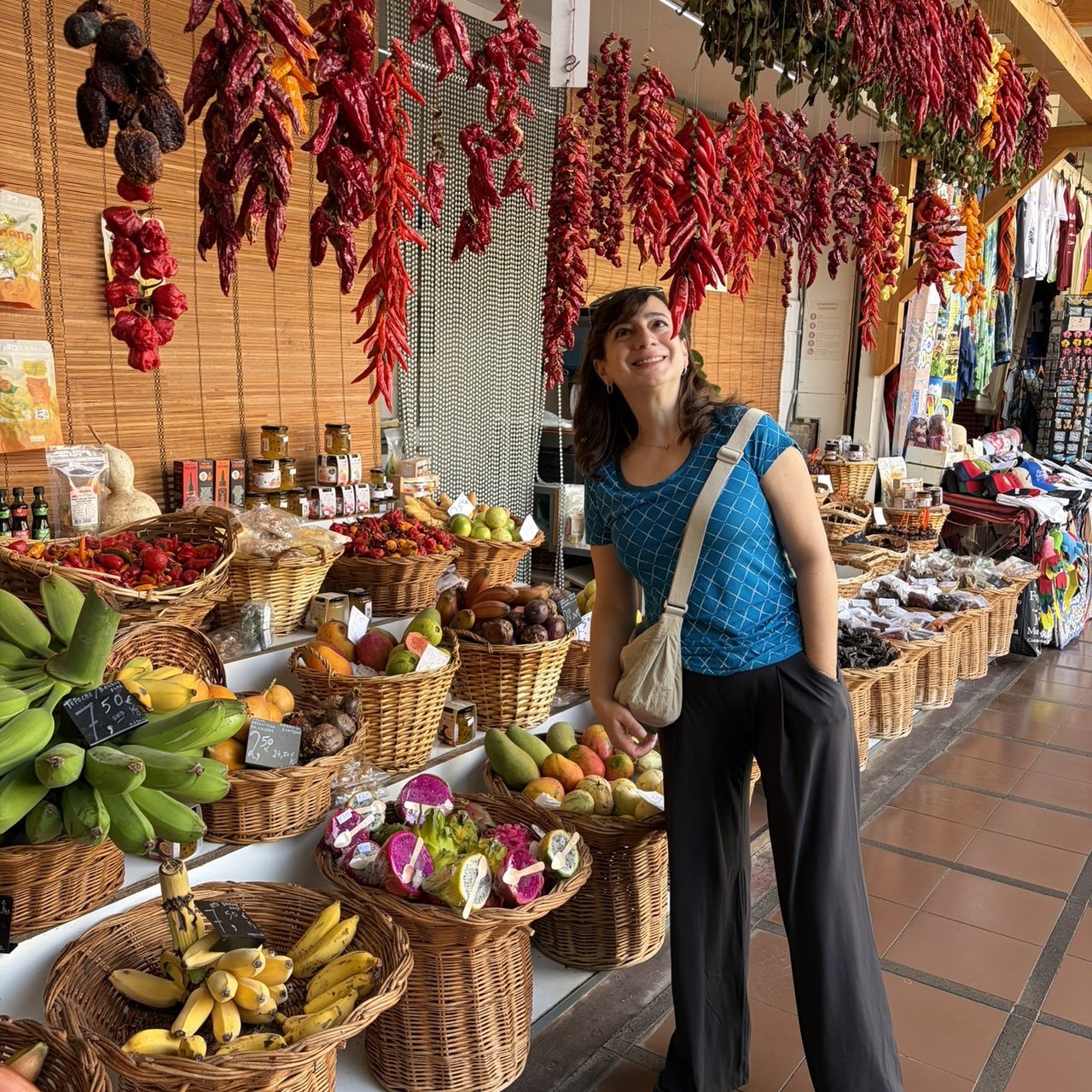
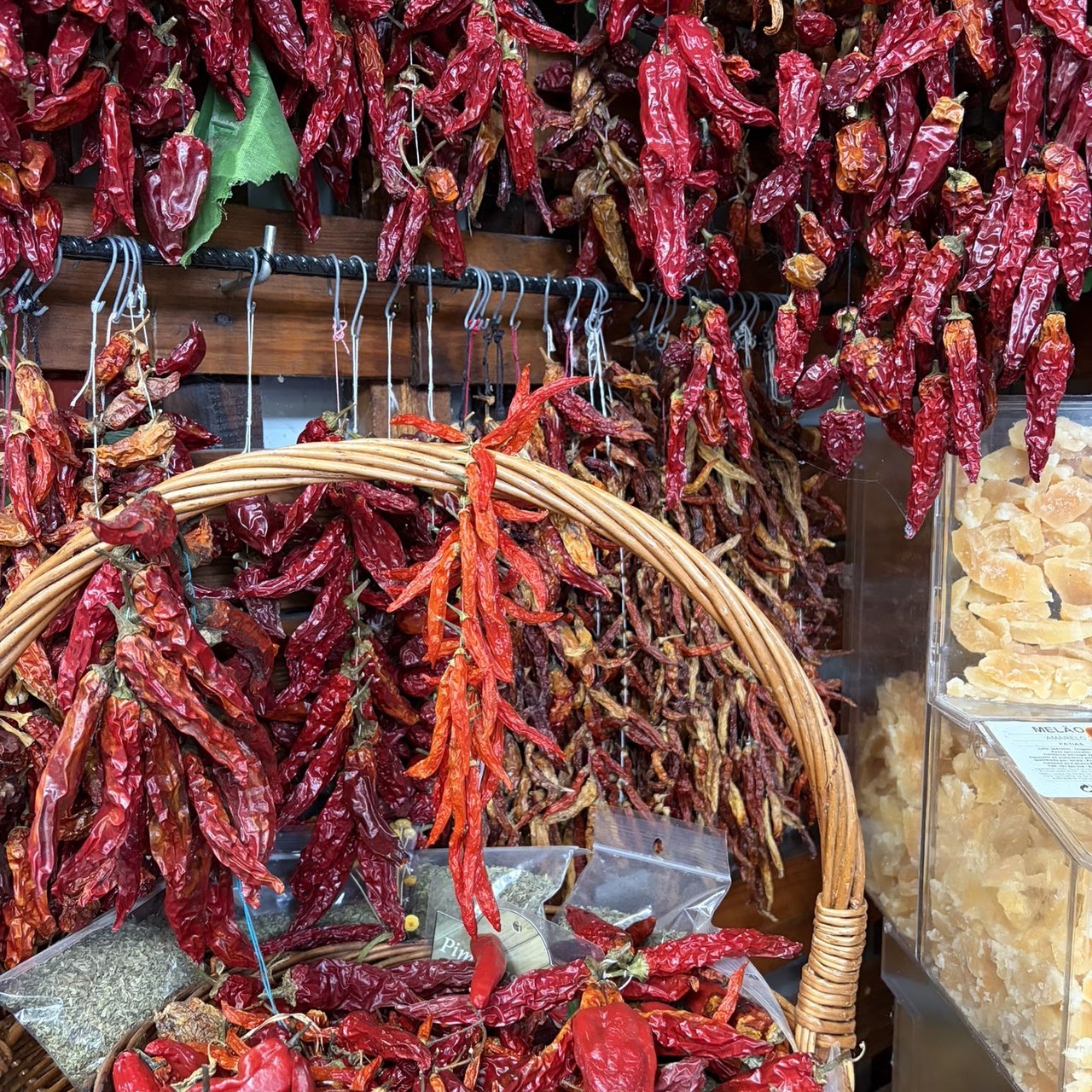
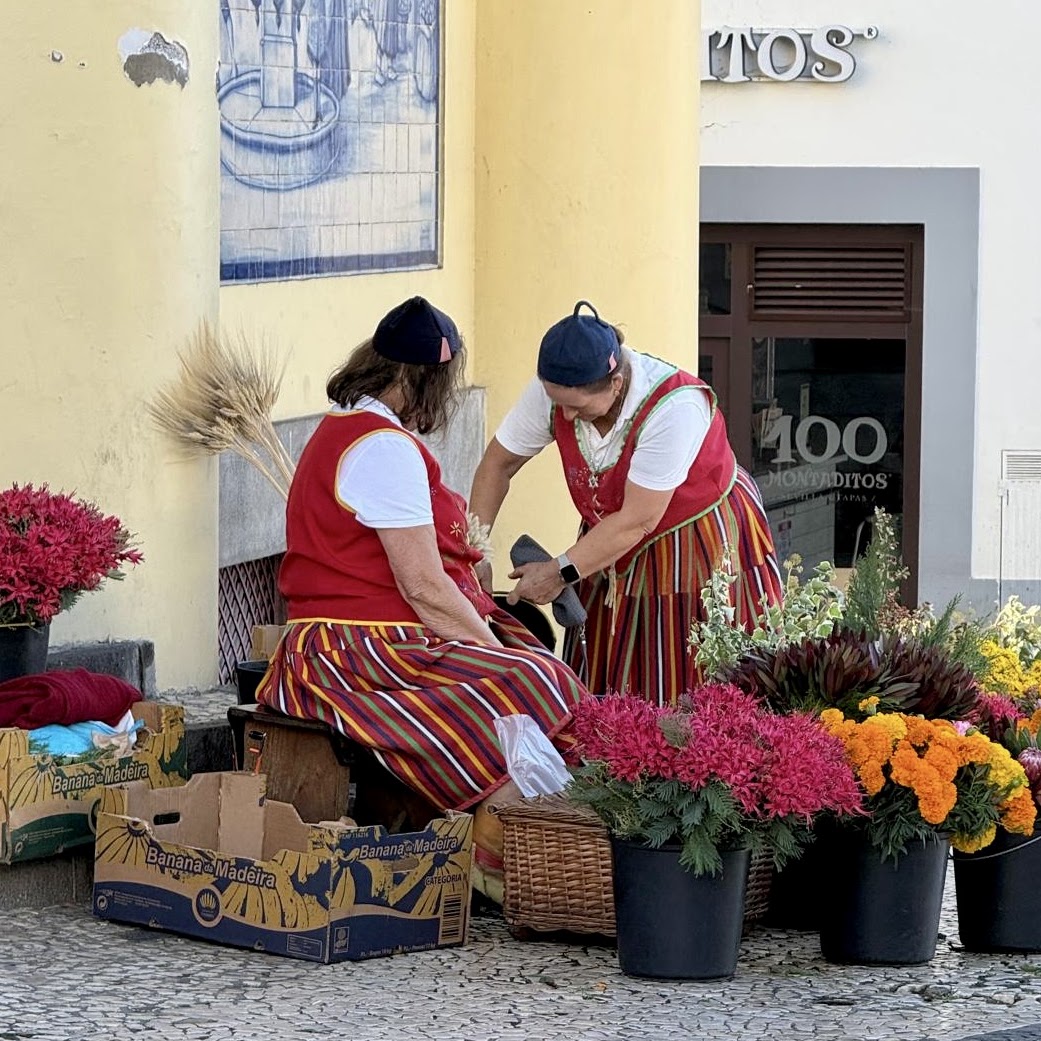
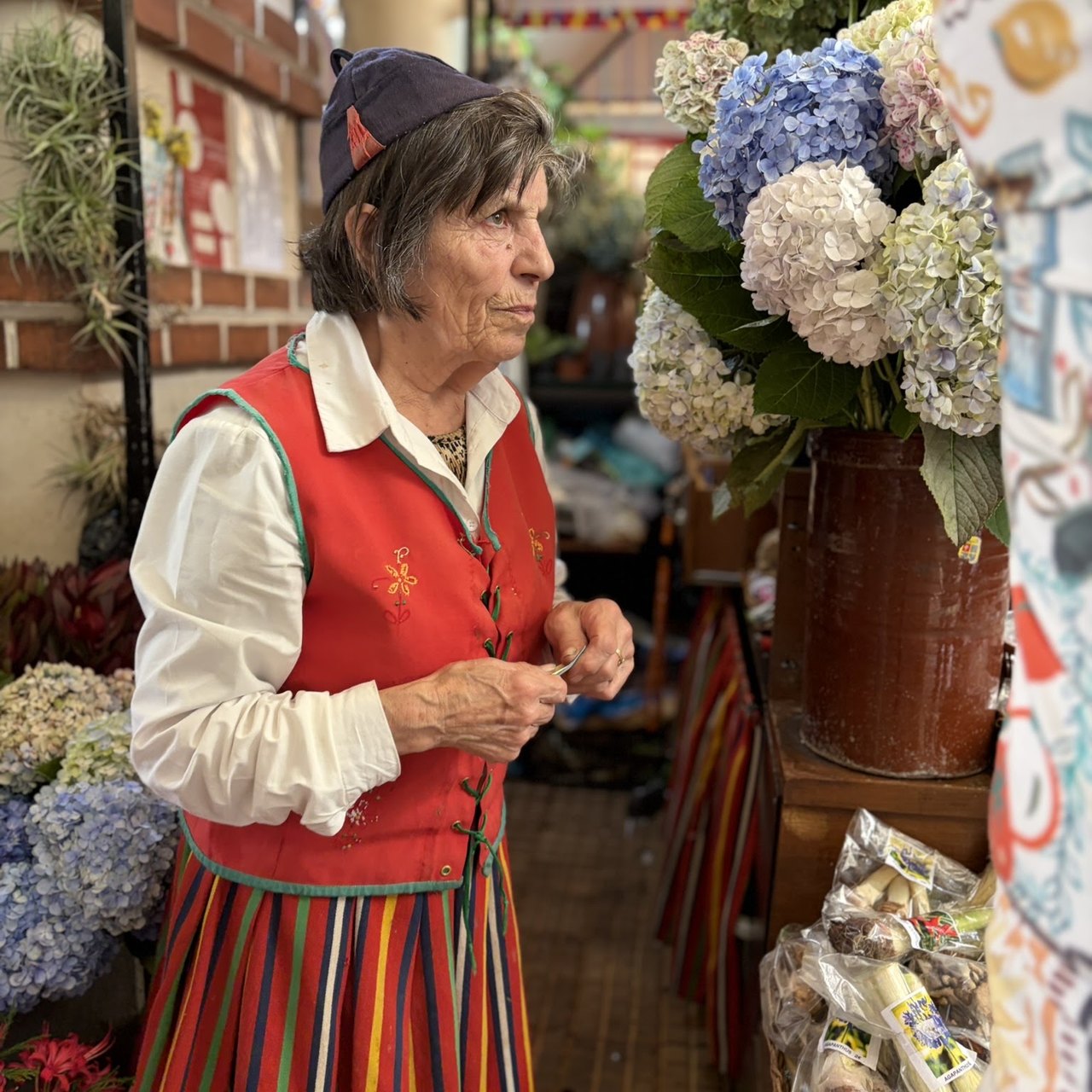
We rented a car to explore the island, but today we decided to leave it behind since we had planned to spend the day wandering around the old town. So, we head down the hill and make our way straight to the market. I love getting to know new cities by starting in places like this, where you can experience their authentic local atmosphere!
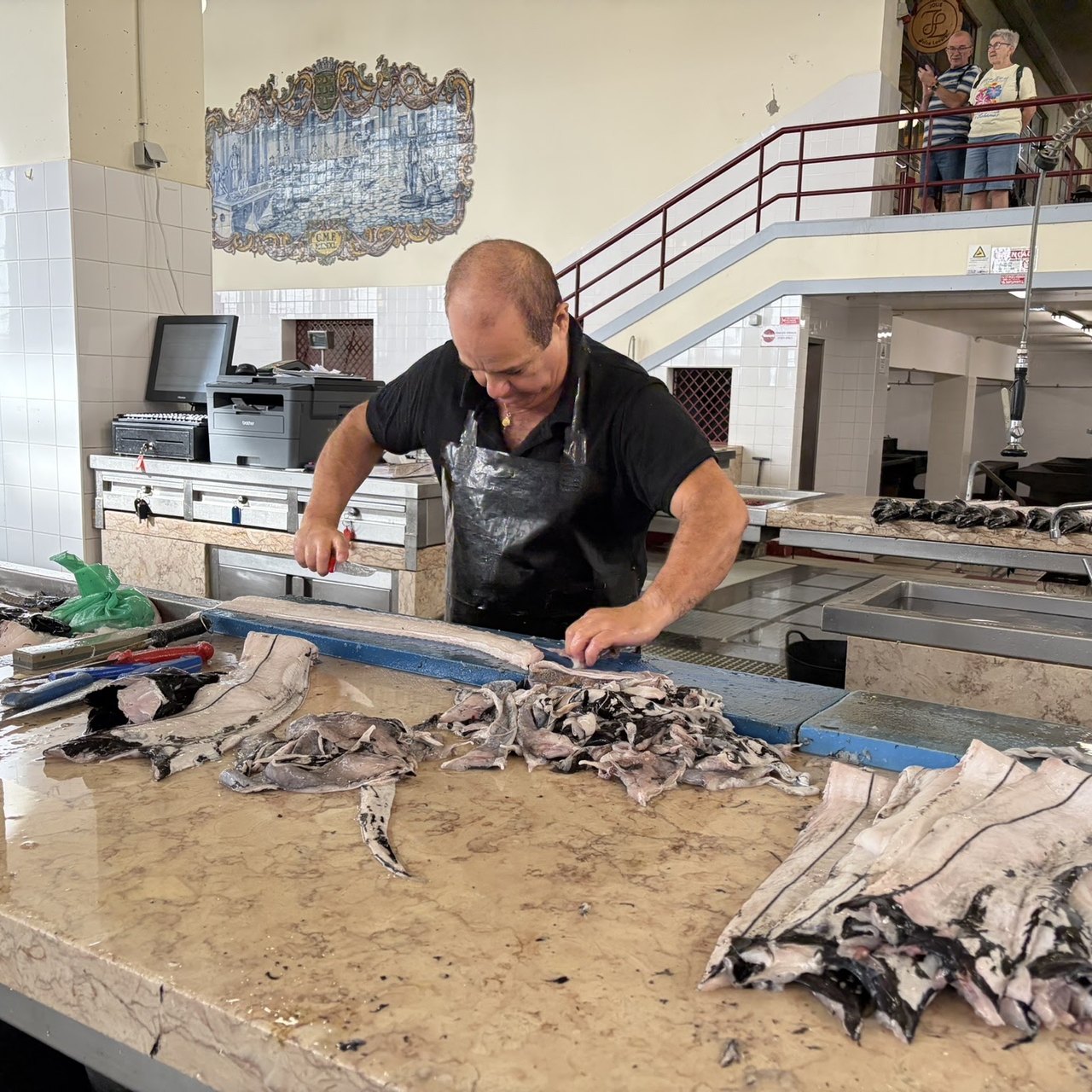
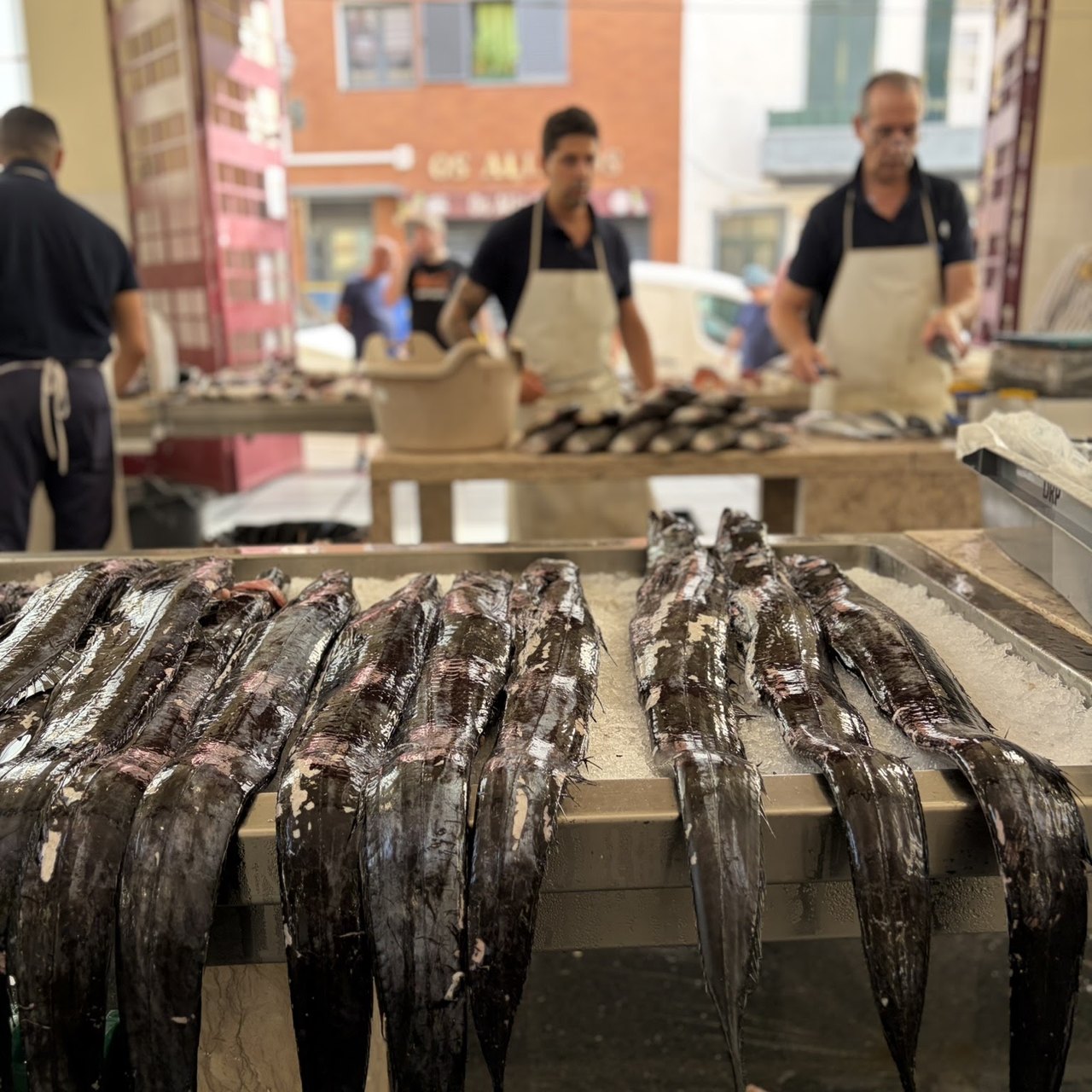
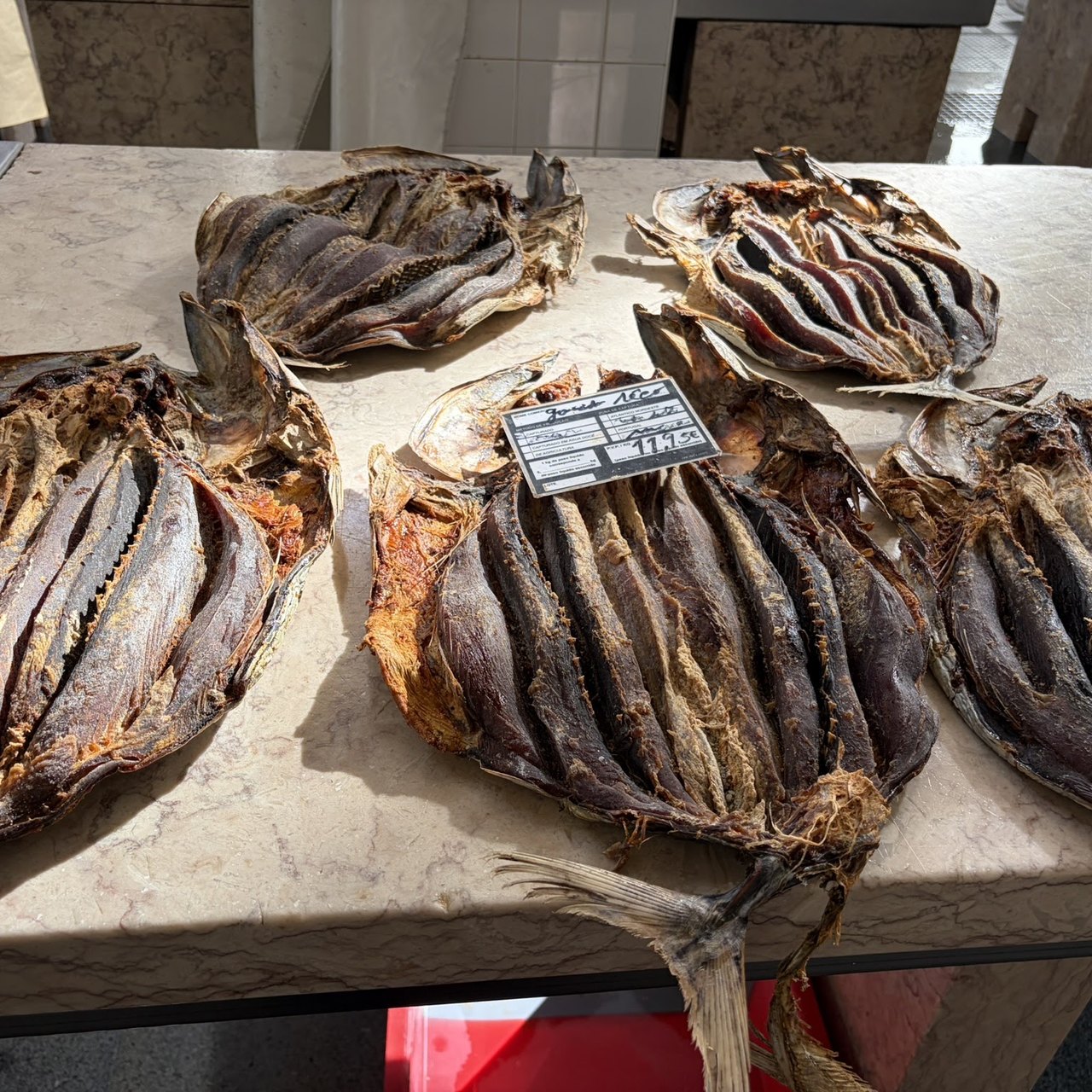
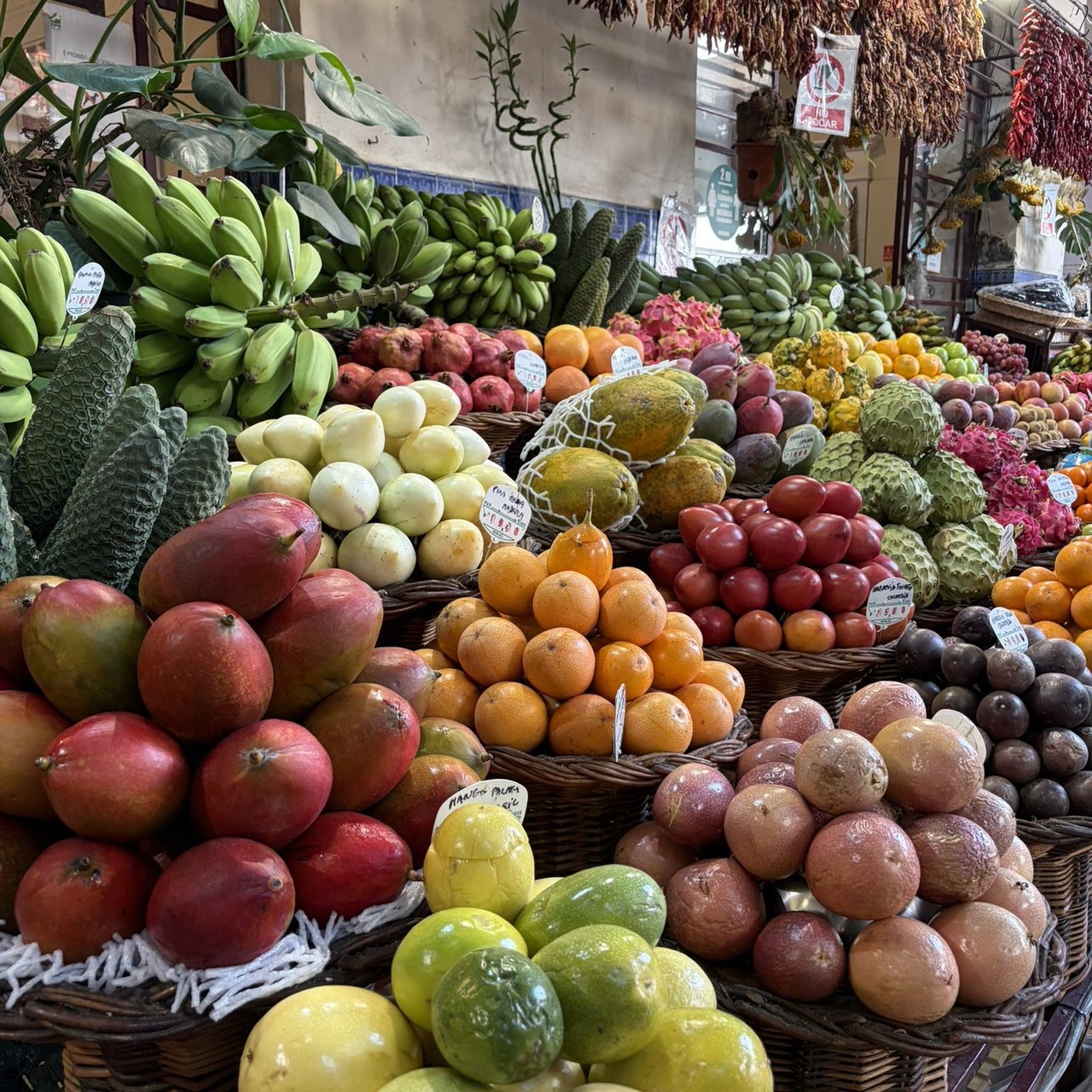
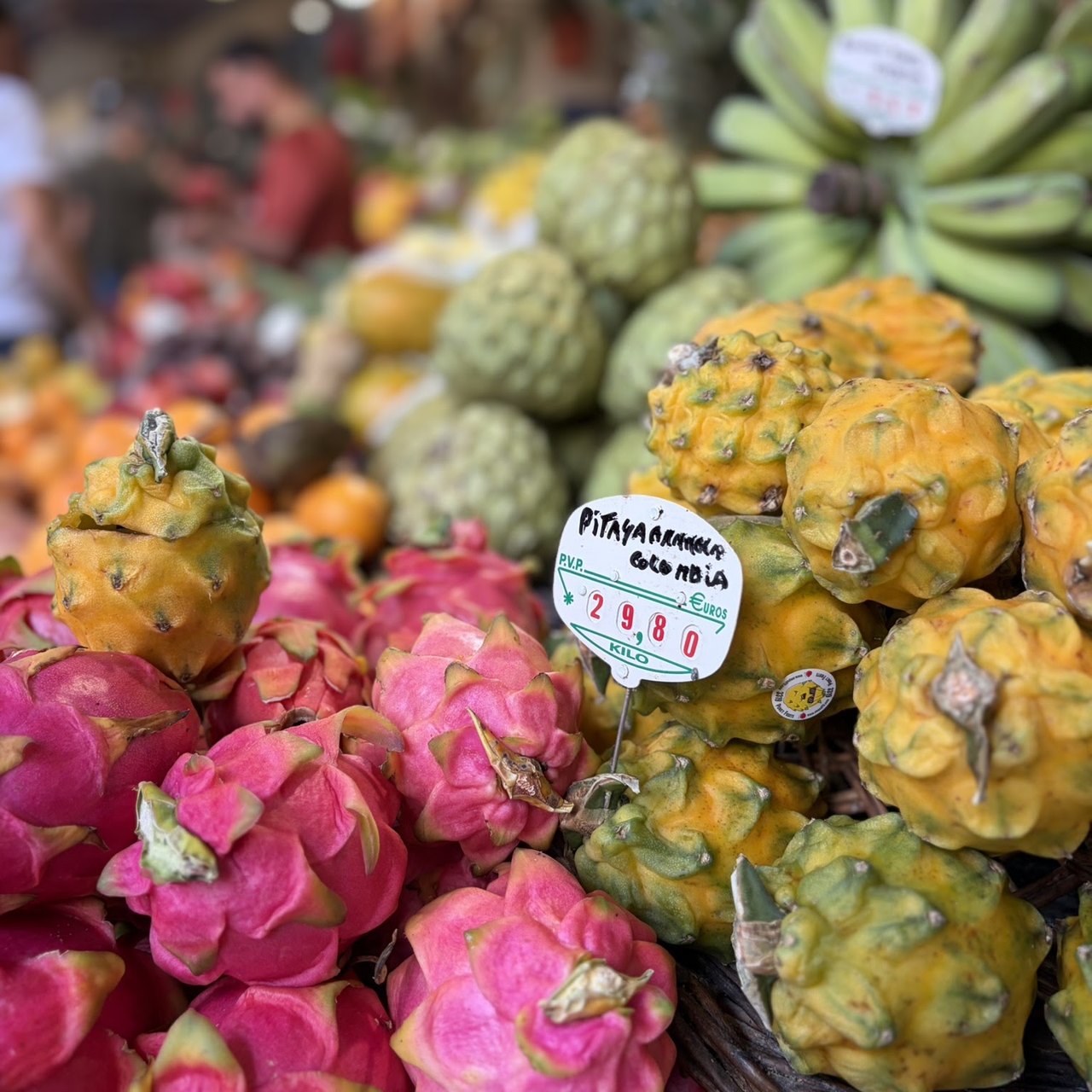
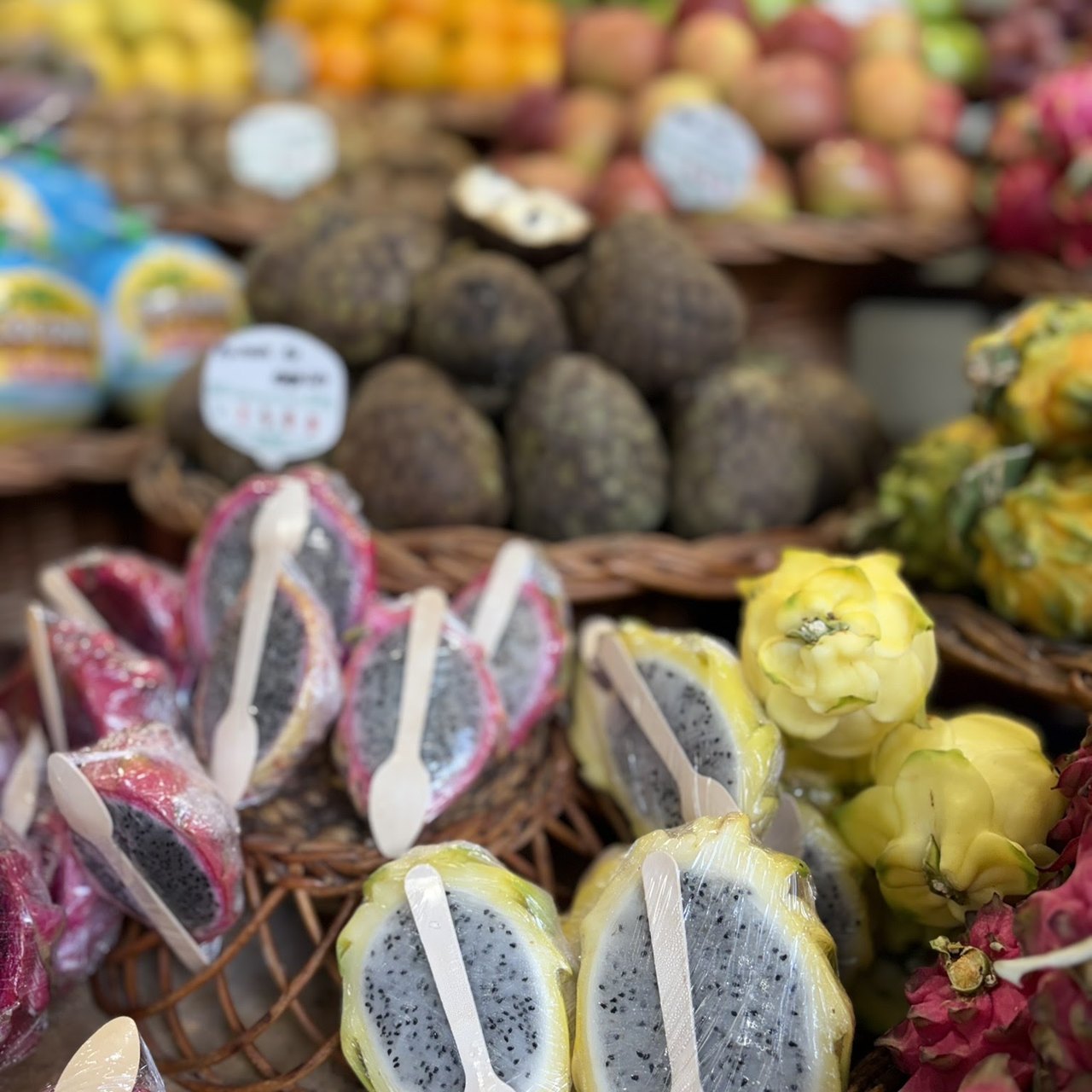
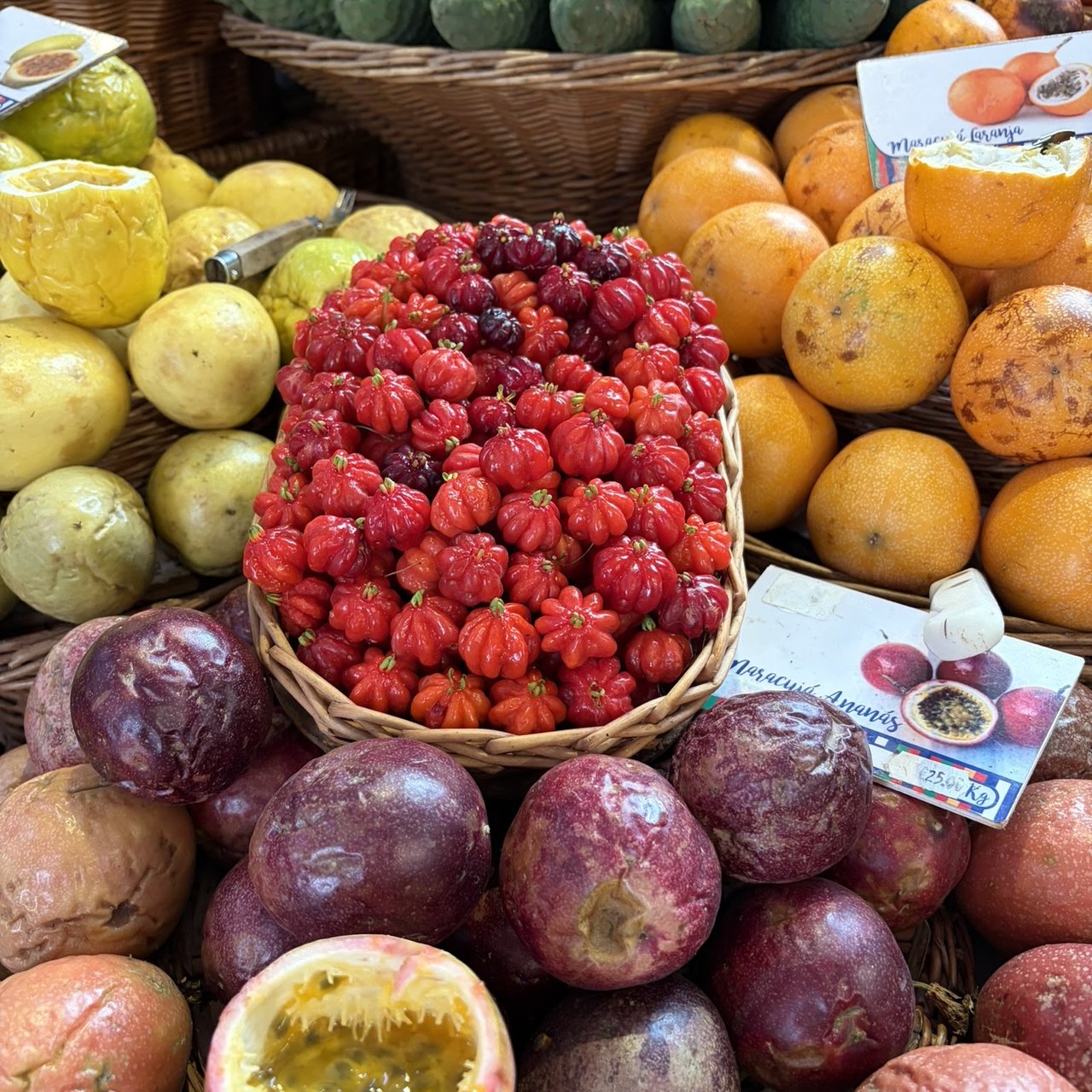
Some of the fruits could be sampled right there. We especially enjoyed the different varieties of passion fruit, as well as an unusual fruit called the banana-pineapple, which I’ll tell you more about a little later
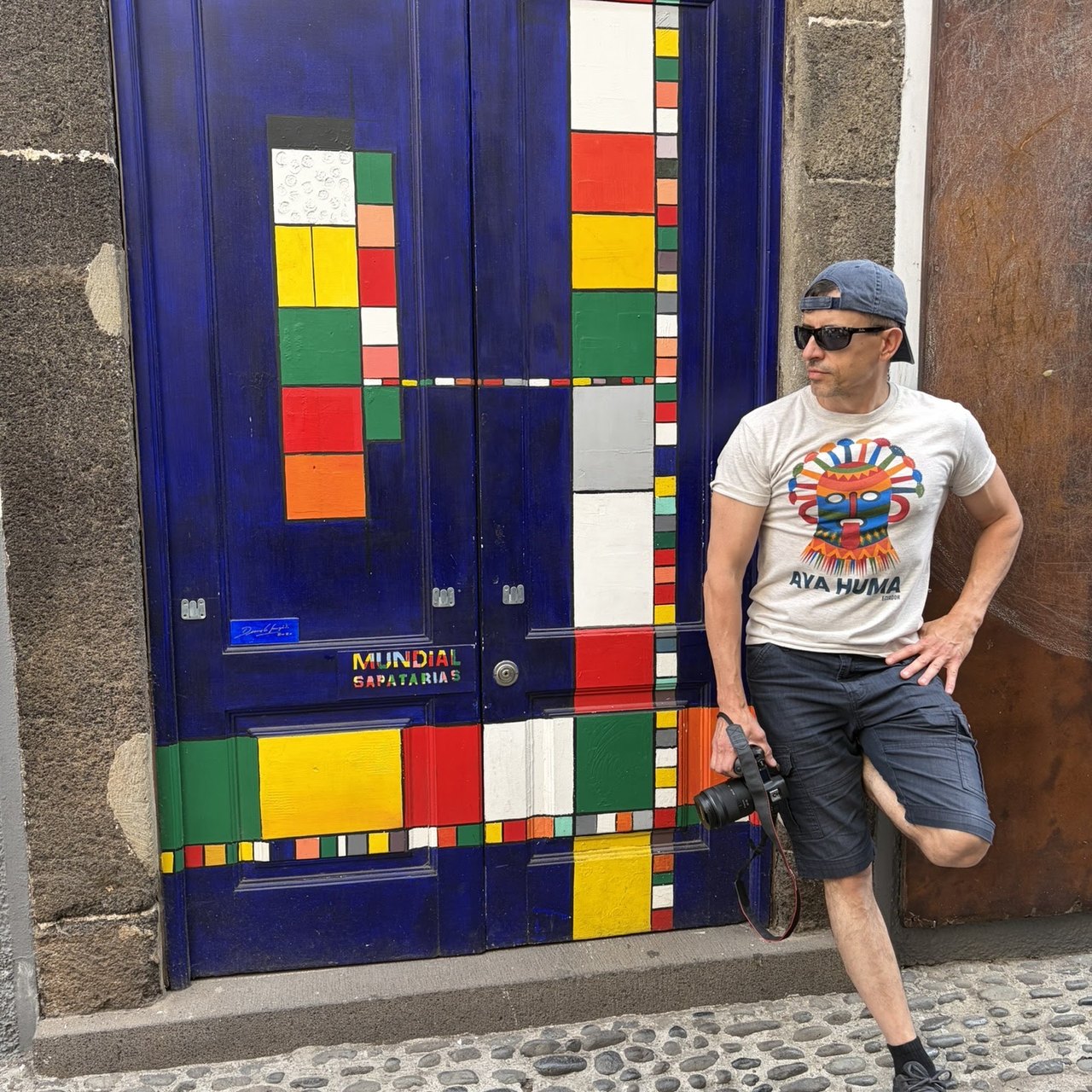
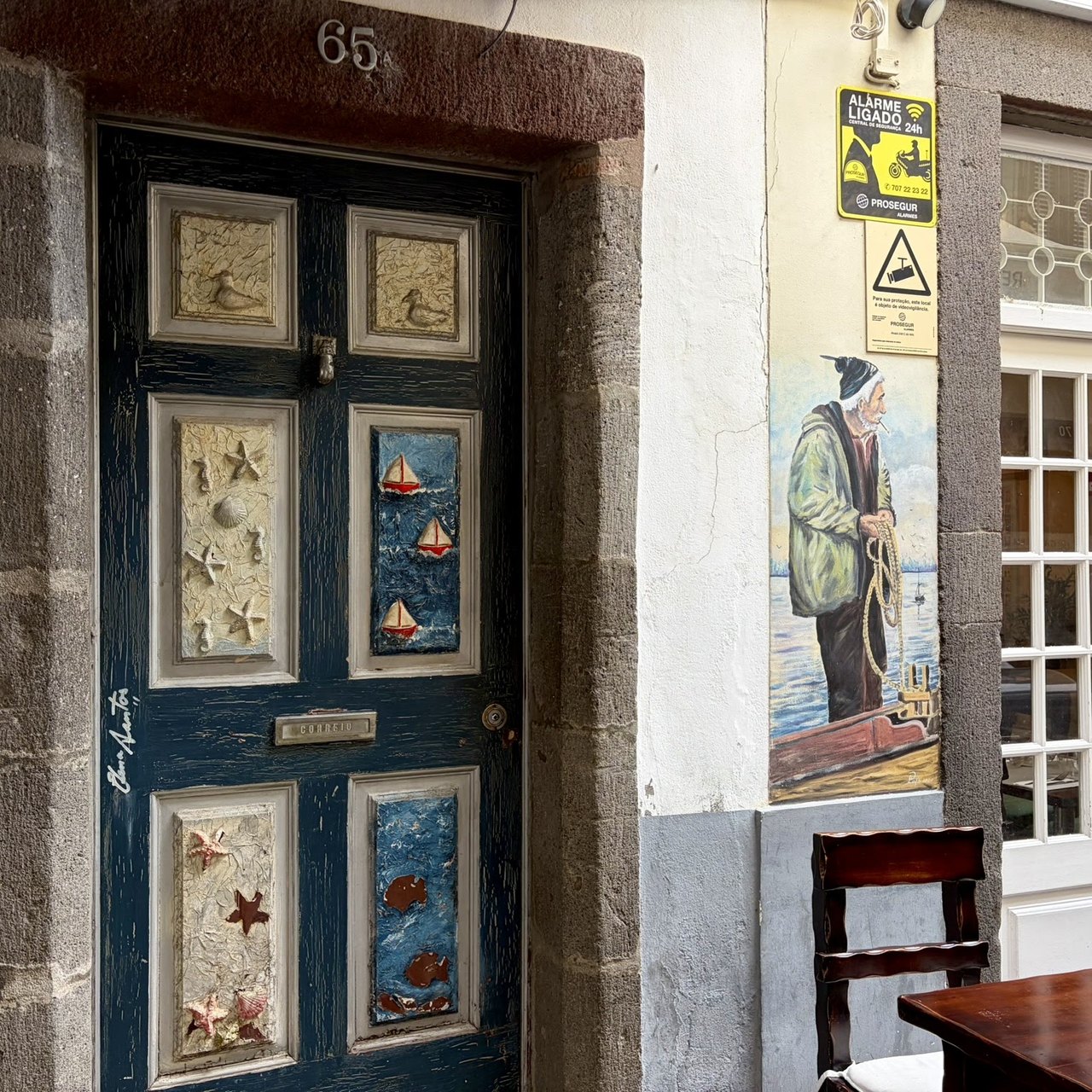
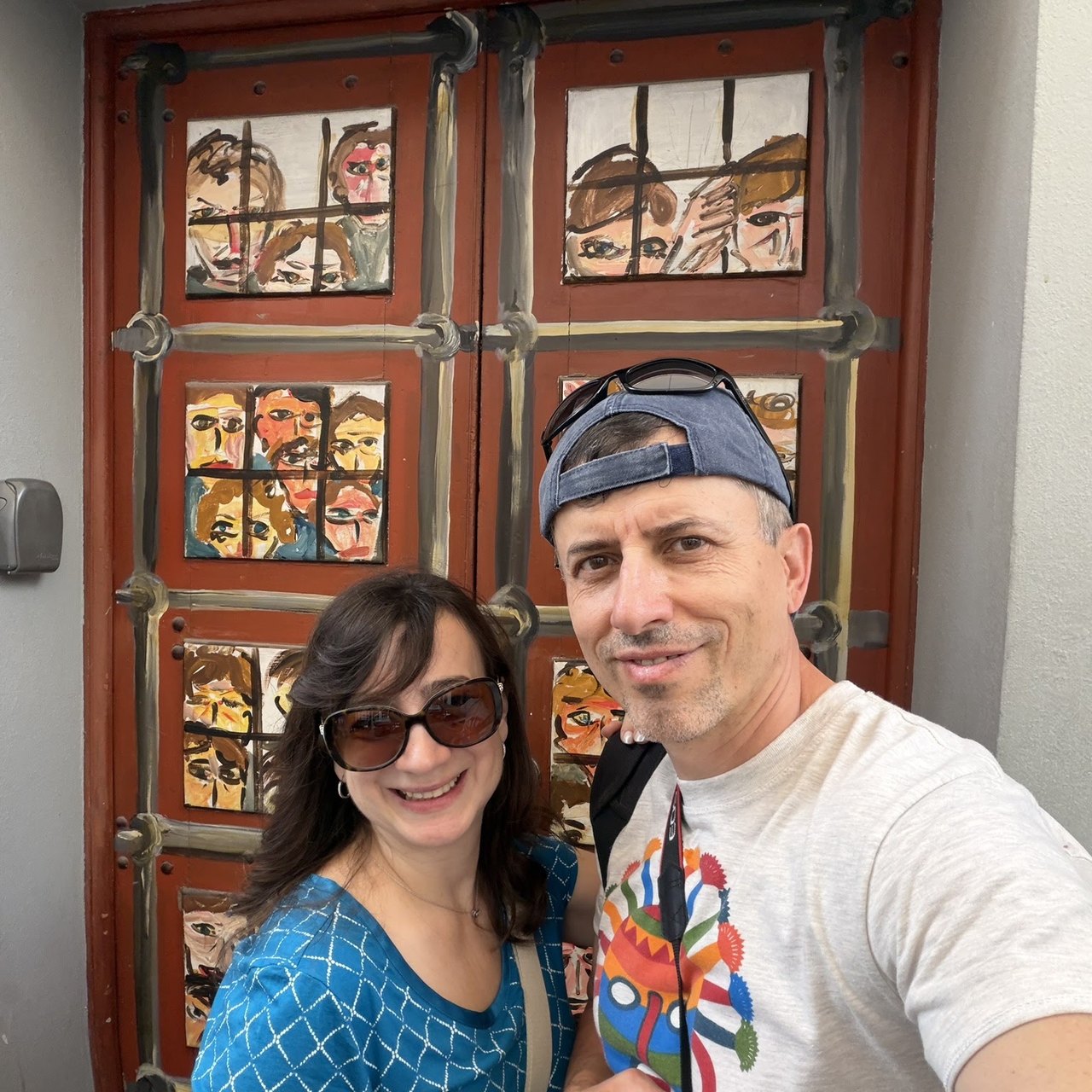
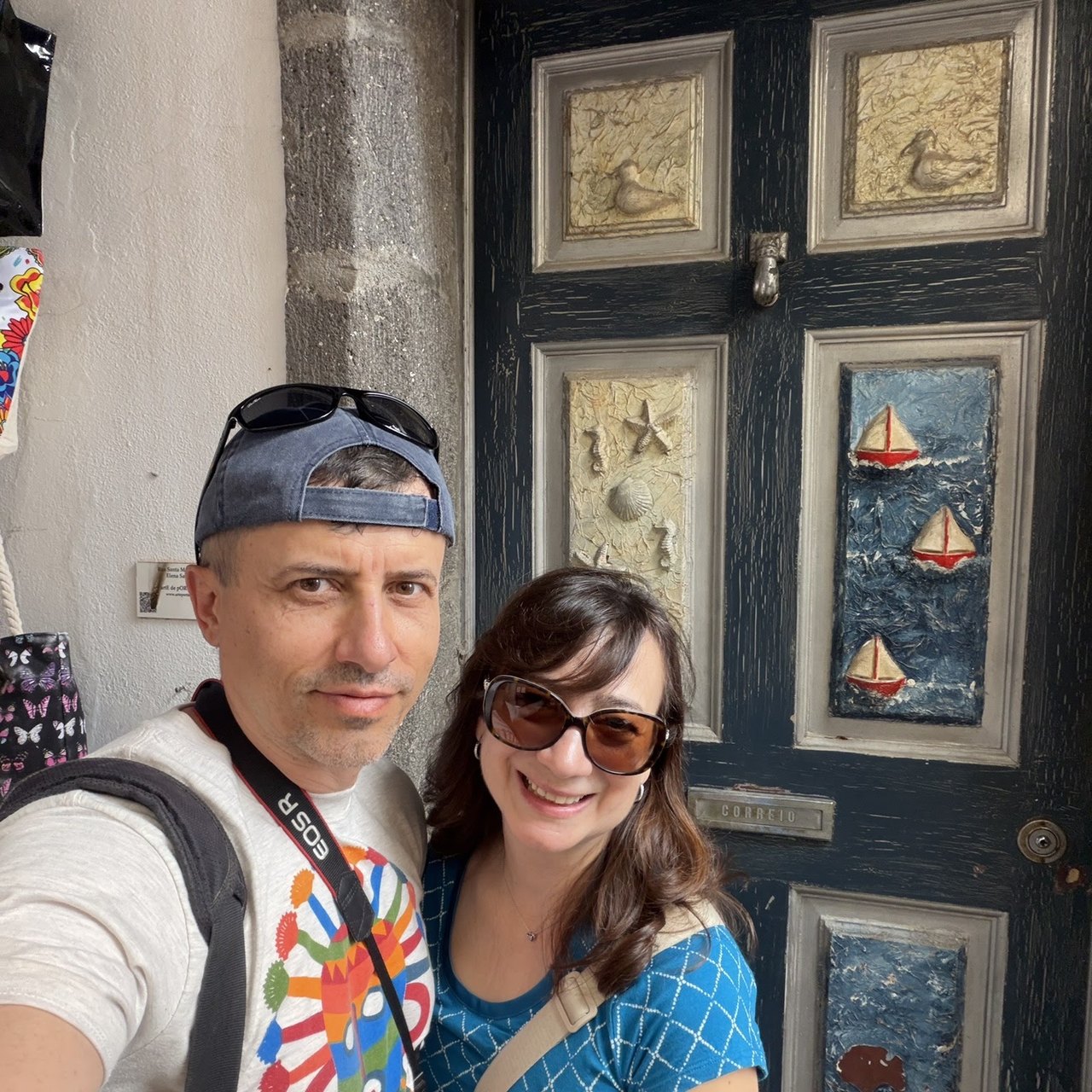
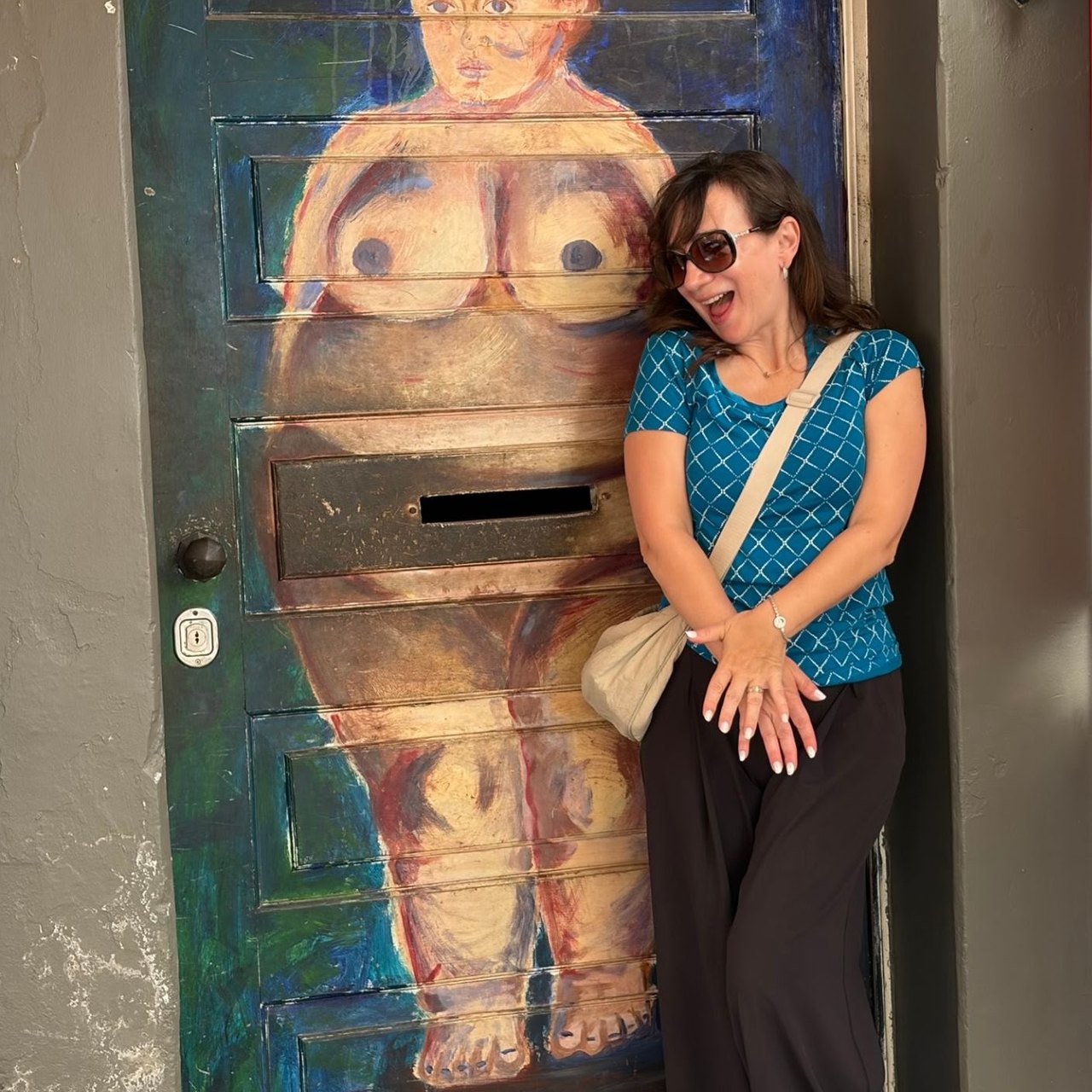
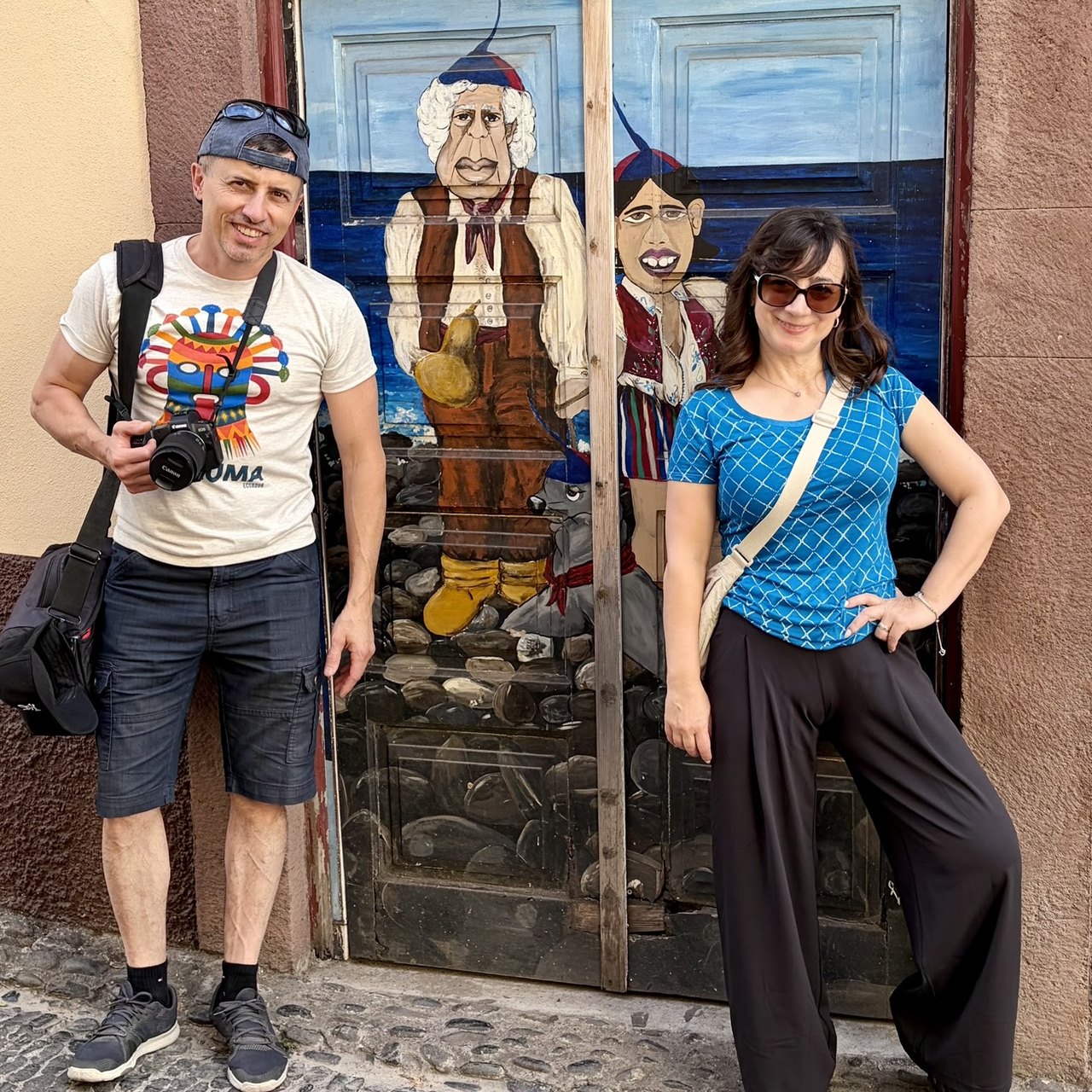
We leave the market and head out for a stroll along Rua de Santa Maria, one of the most atmospheric streets in Funchal’s old town. It is famous for its brightly painted doors and cozy little restaurants, creating a charming and colourful atmosphere that makes this street so special
Now it’s time to head up to Monte by cable car on the Teleférico do Funchal. The ride takes about 15–20 minutes, bringing us to an elevation of approximately 550 metres above sea level. The round-trip ticket costs €22 per person
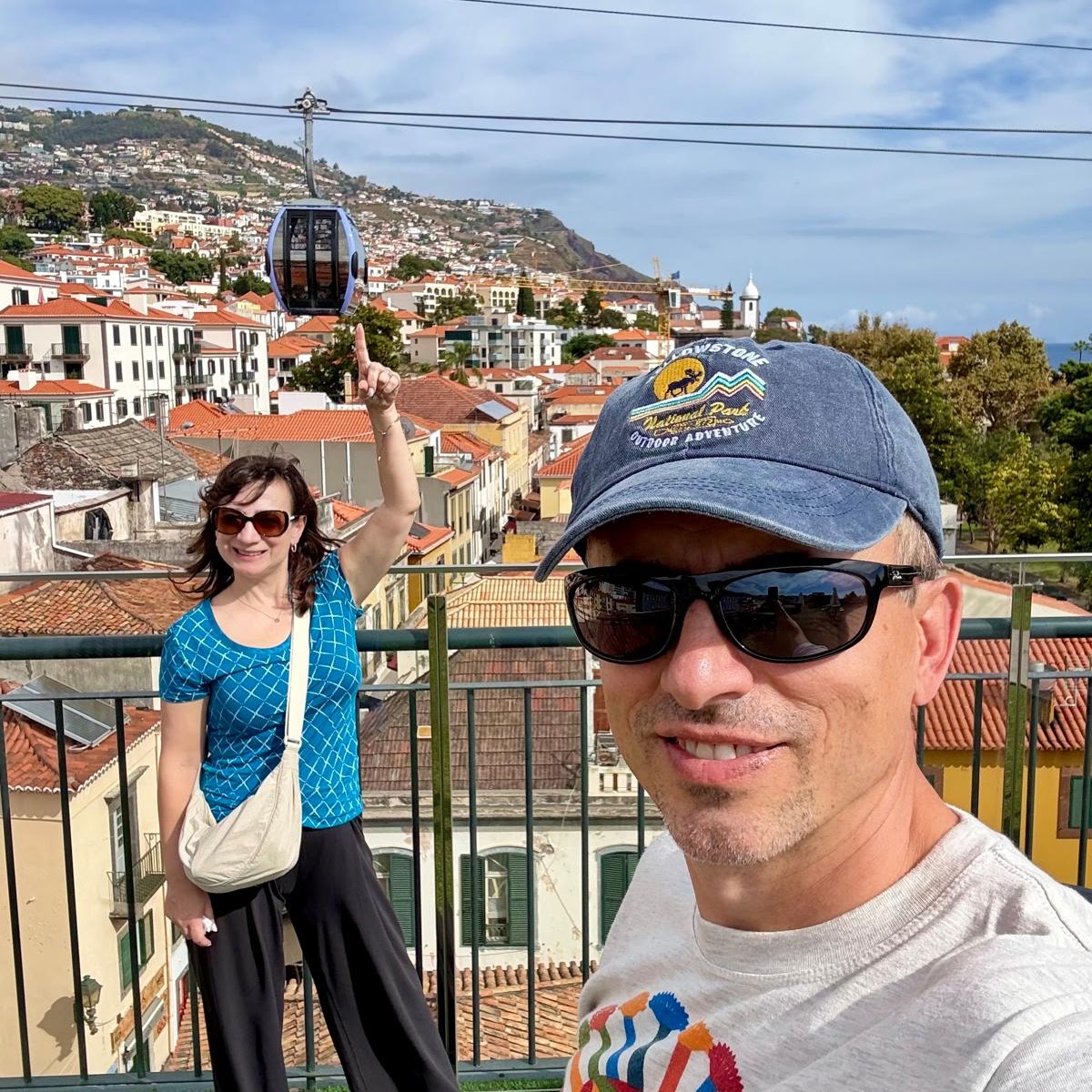
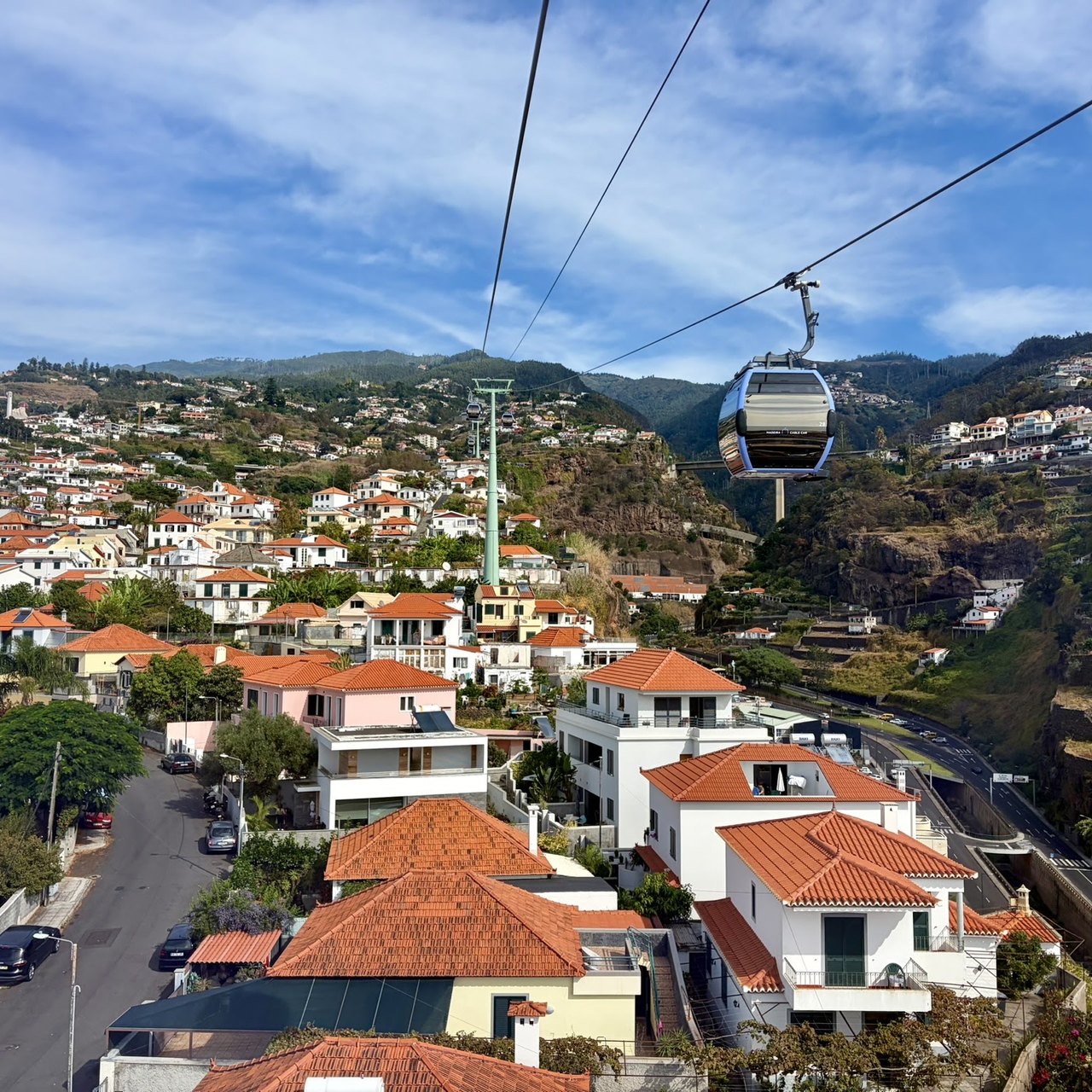
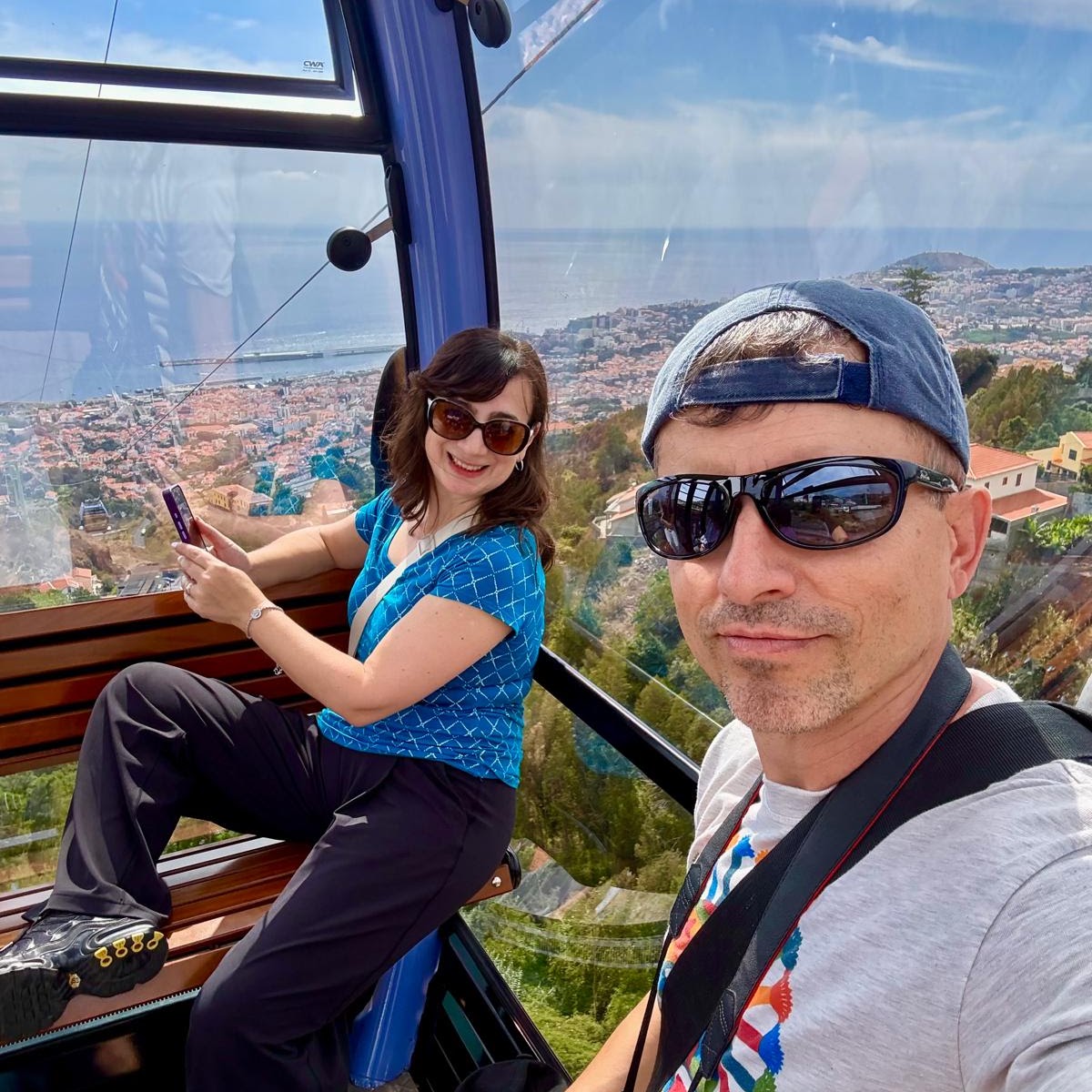
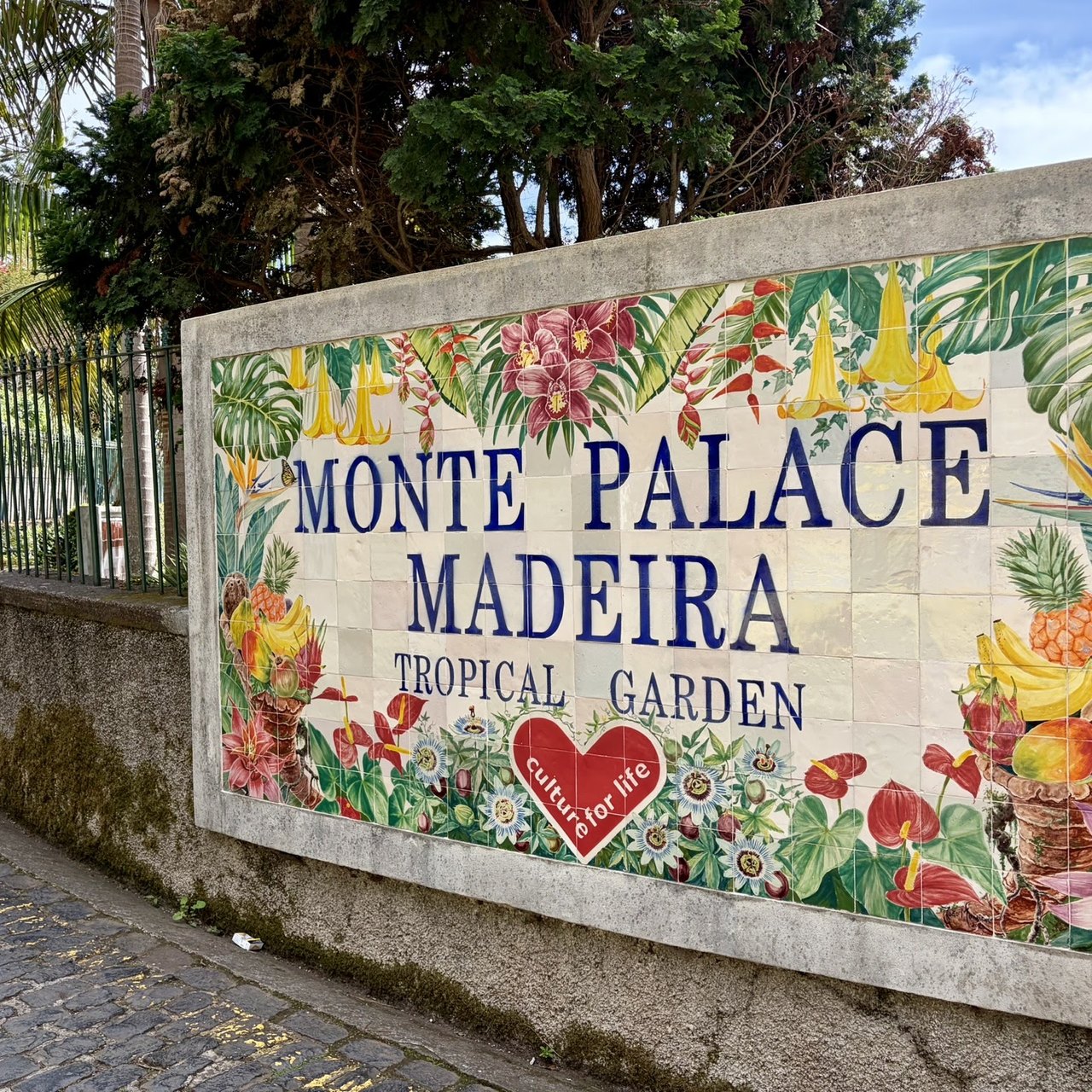
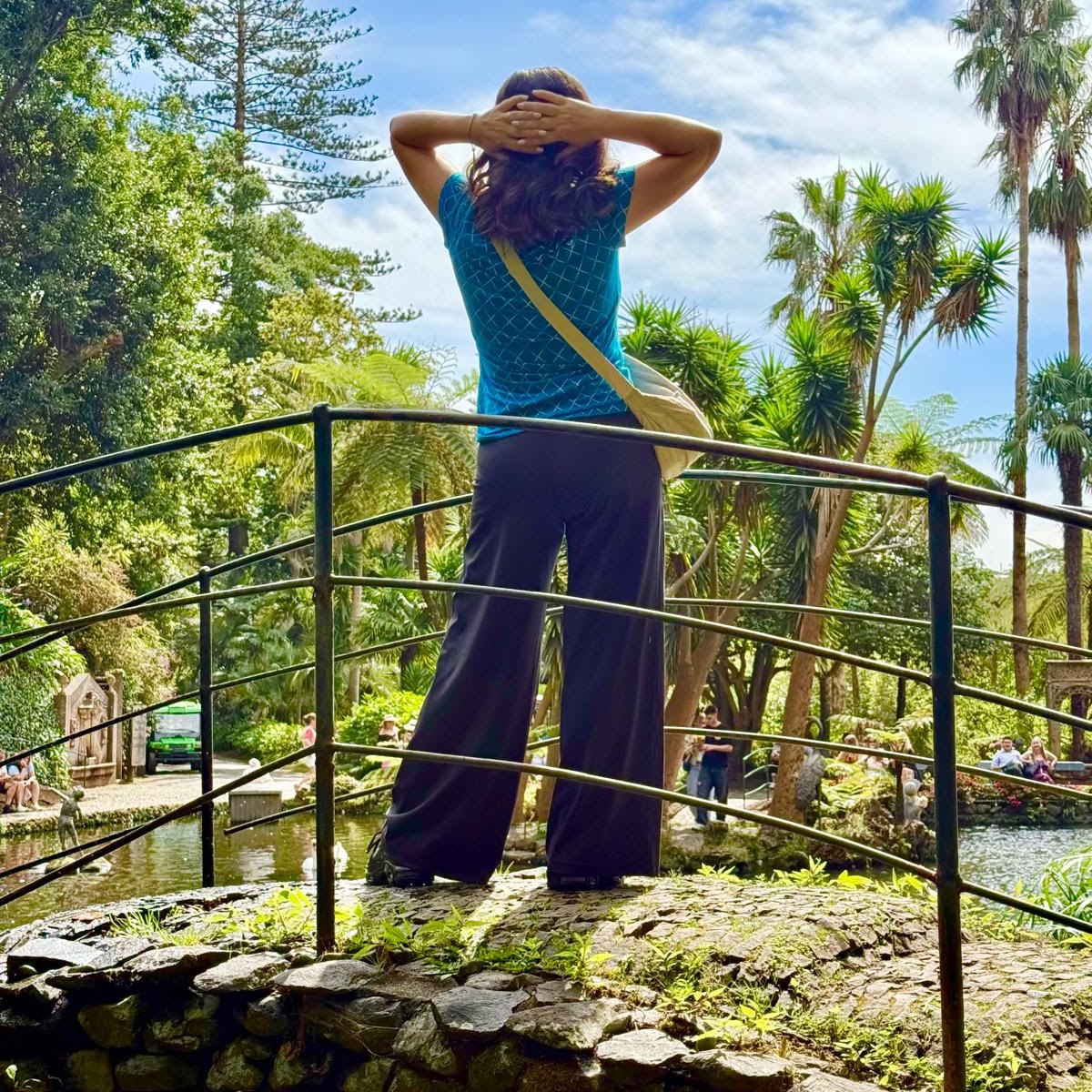
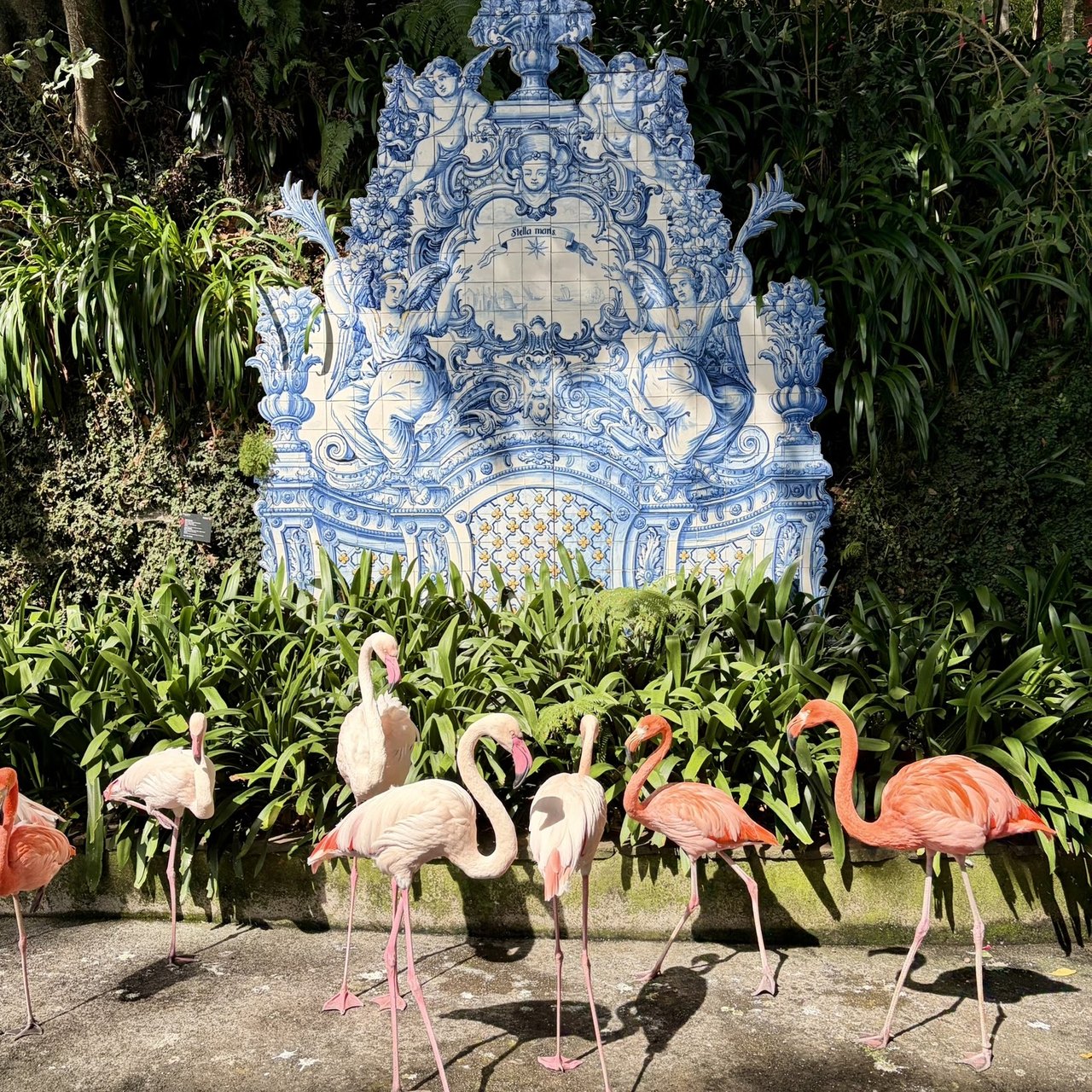
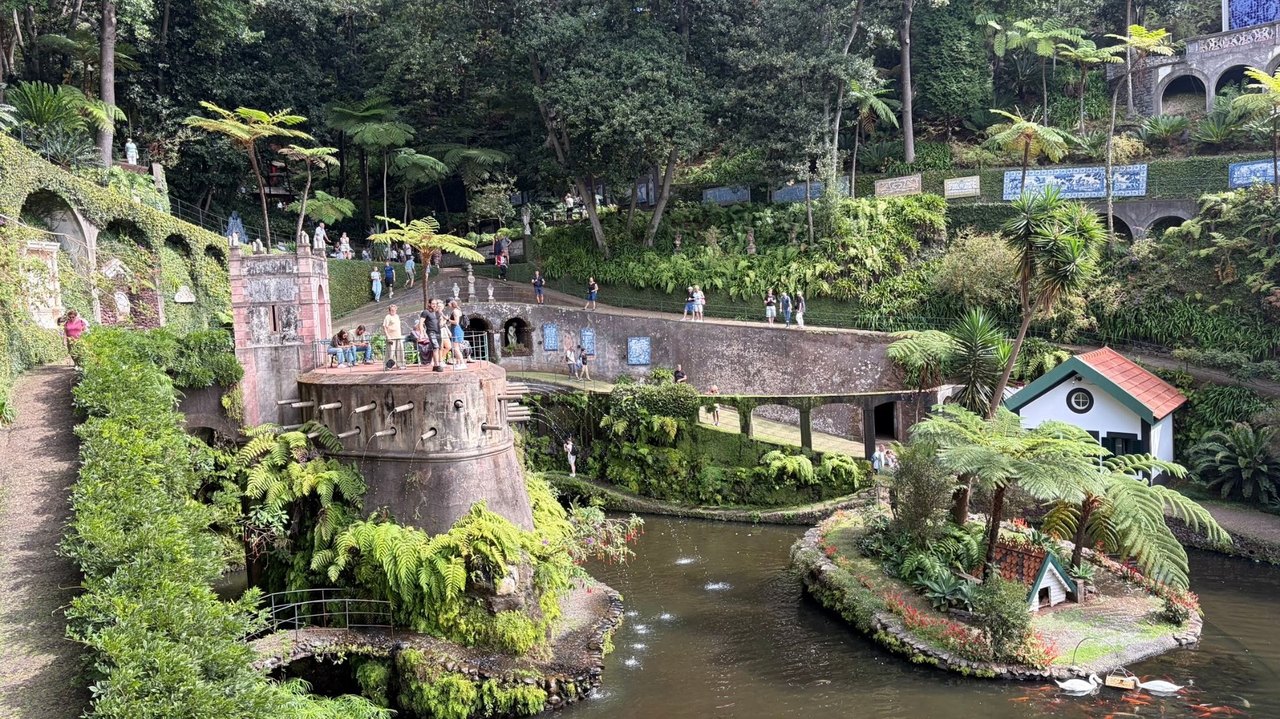
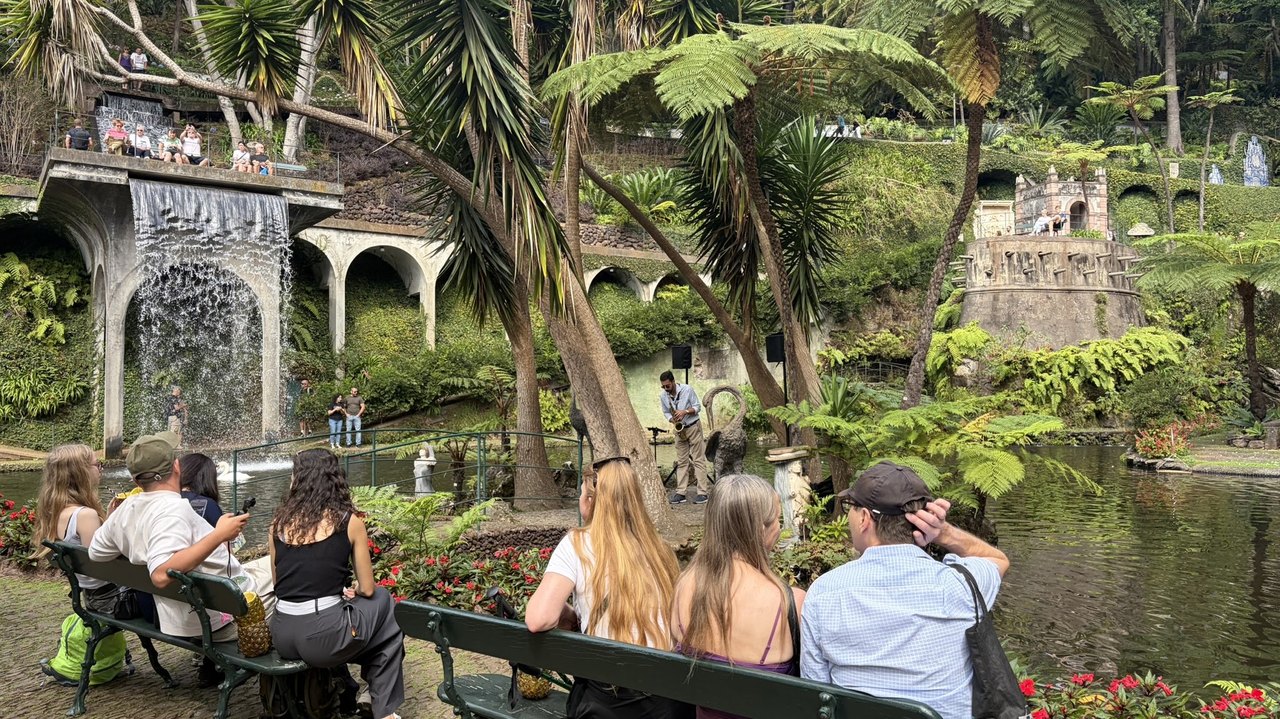
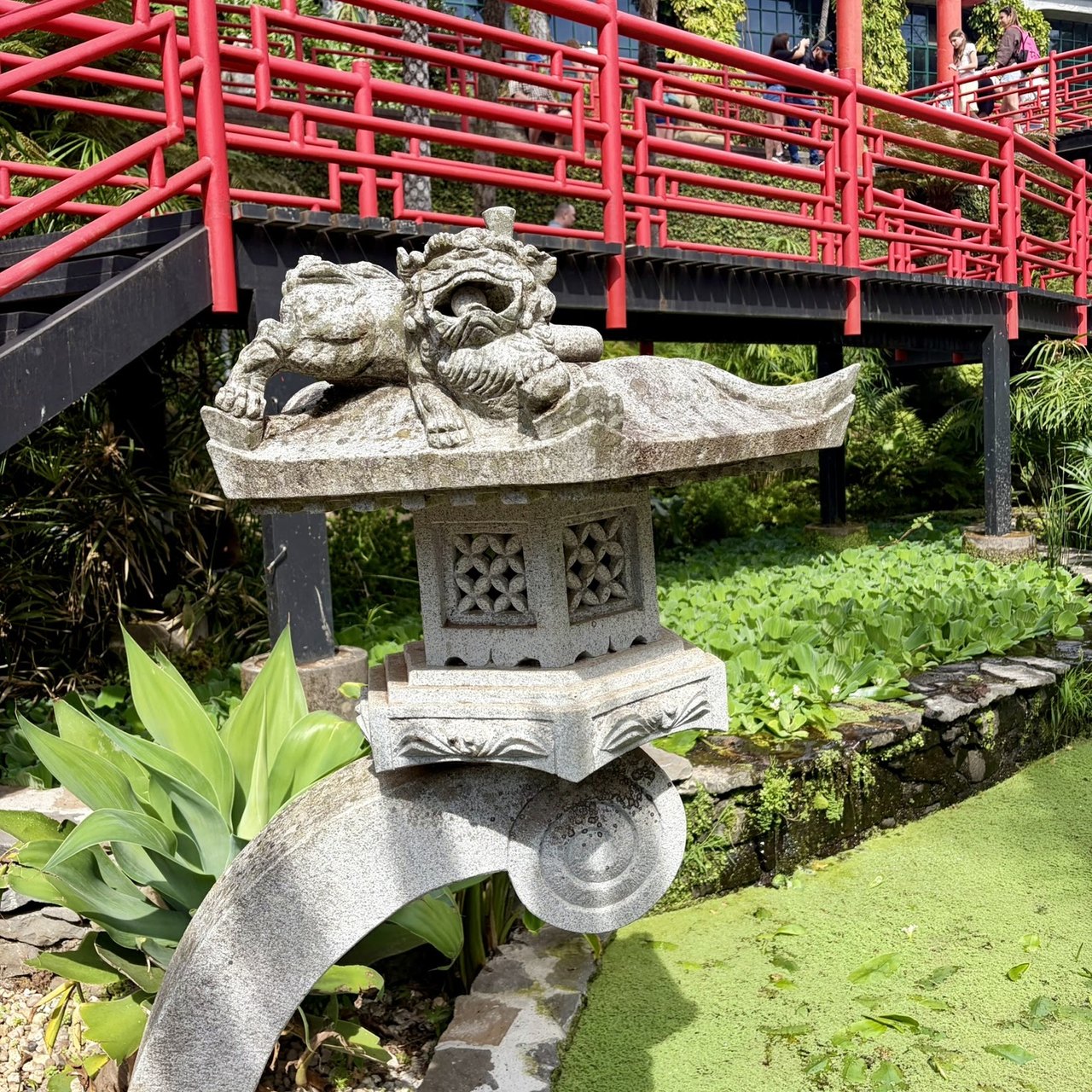
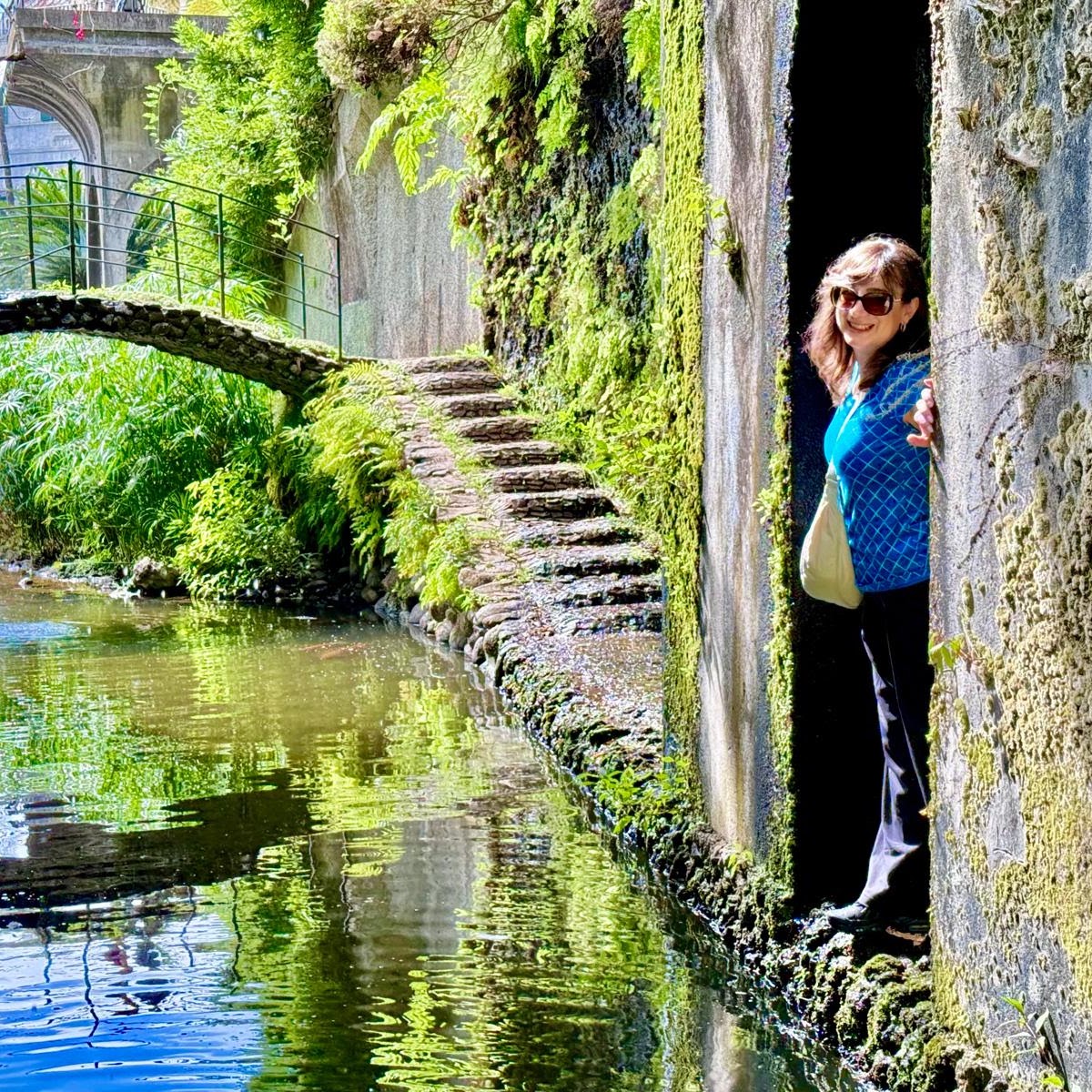
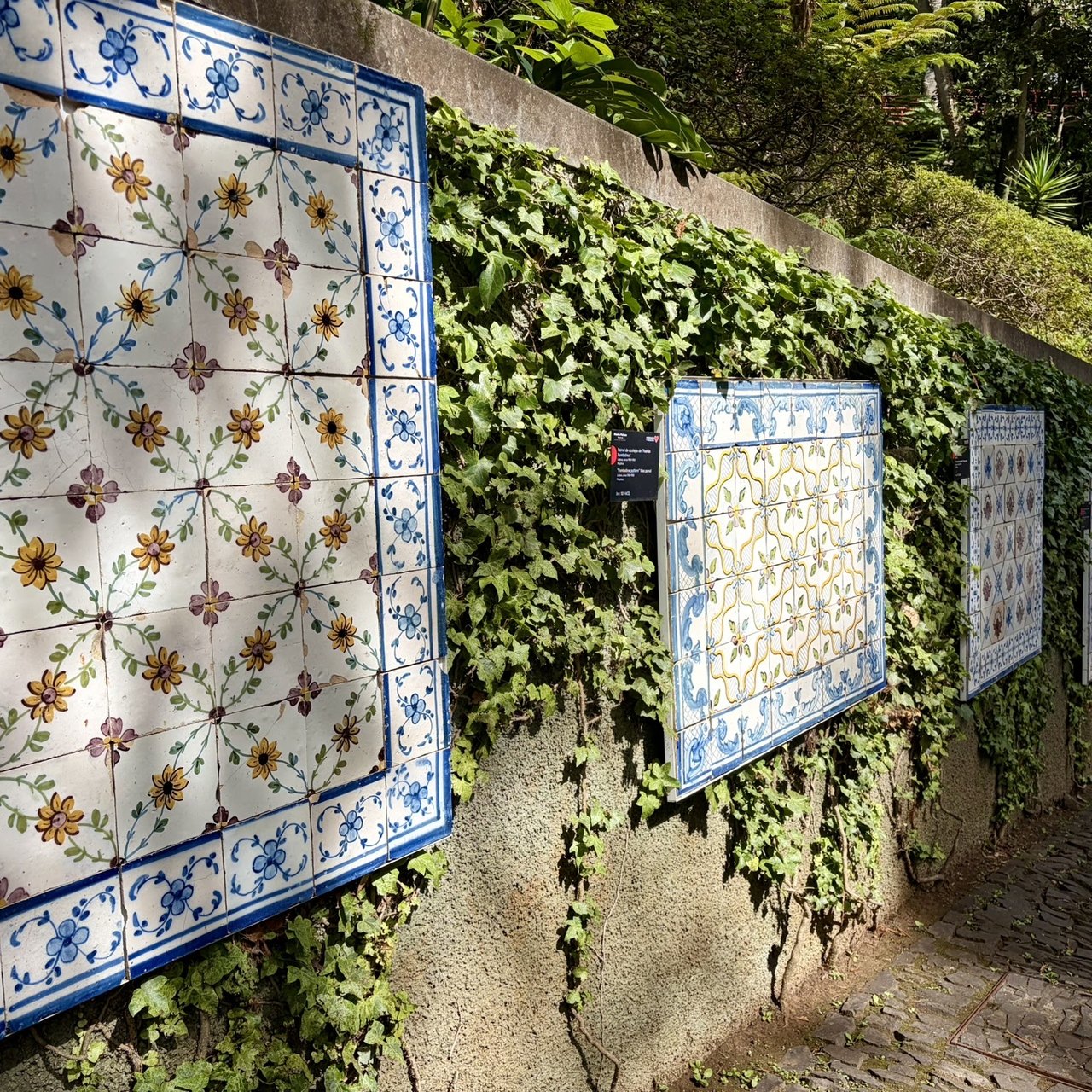
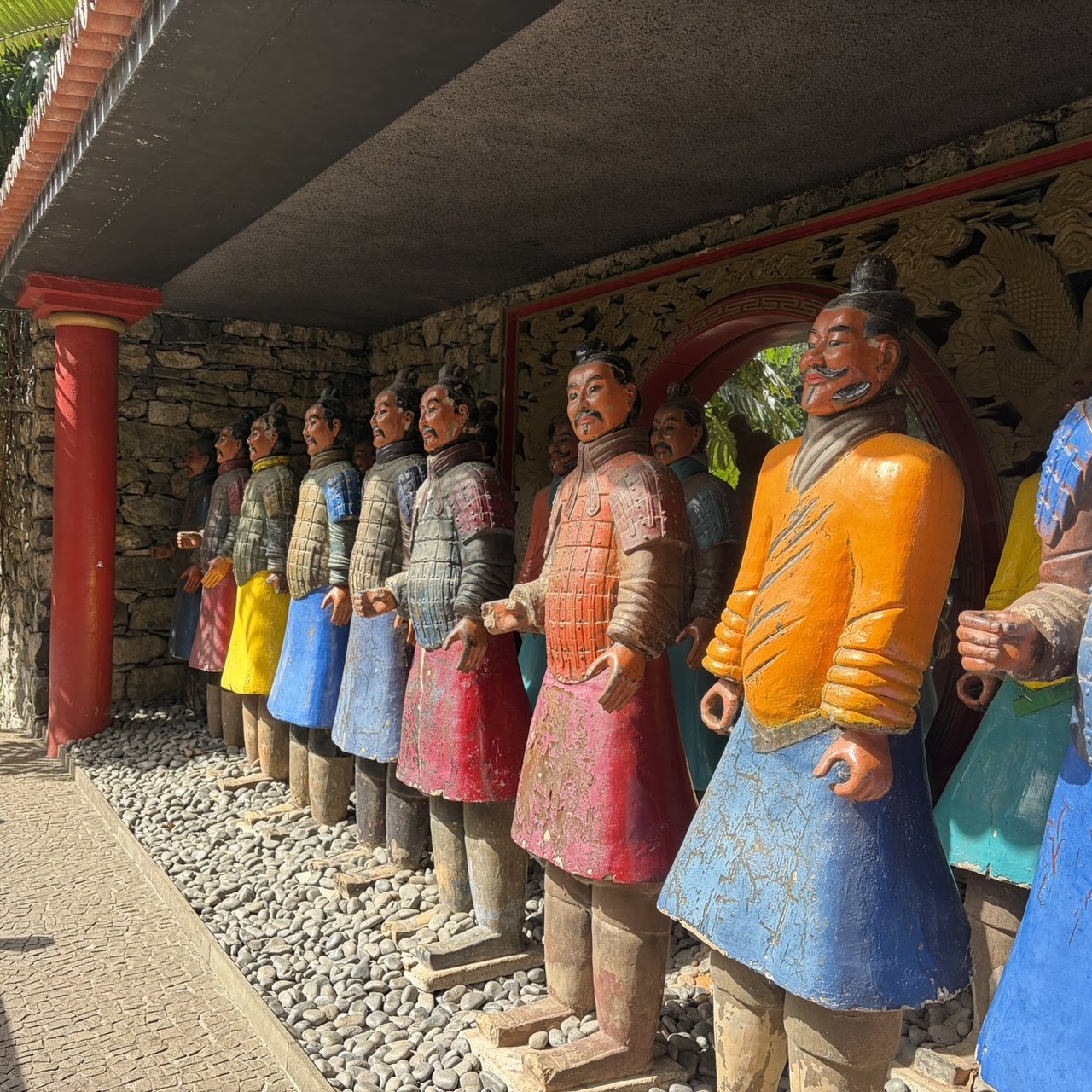
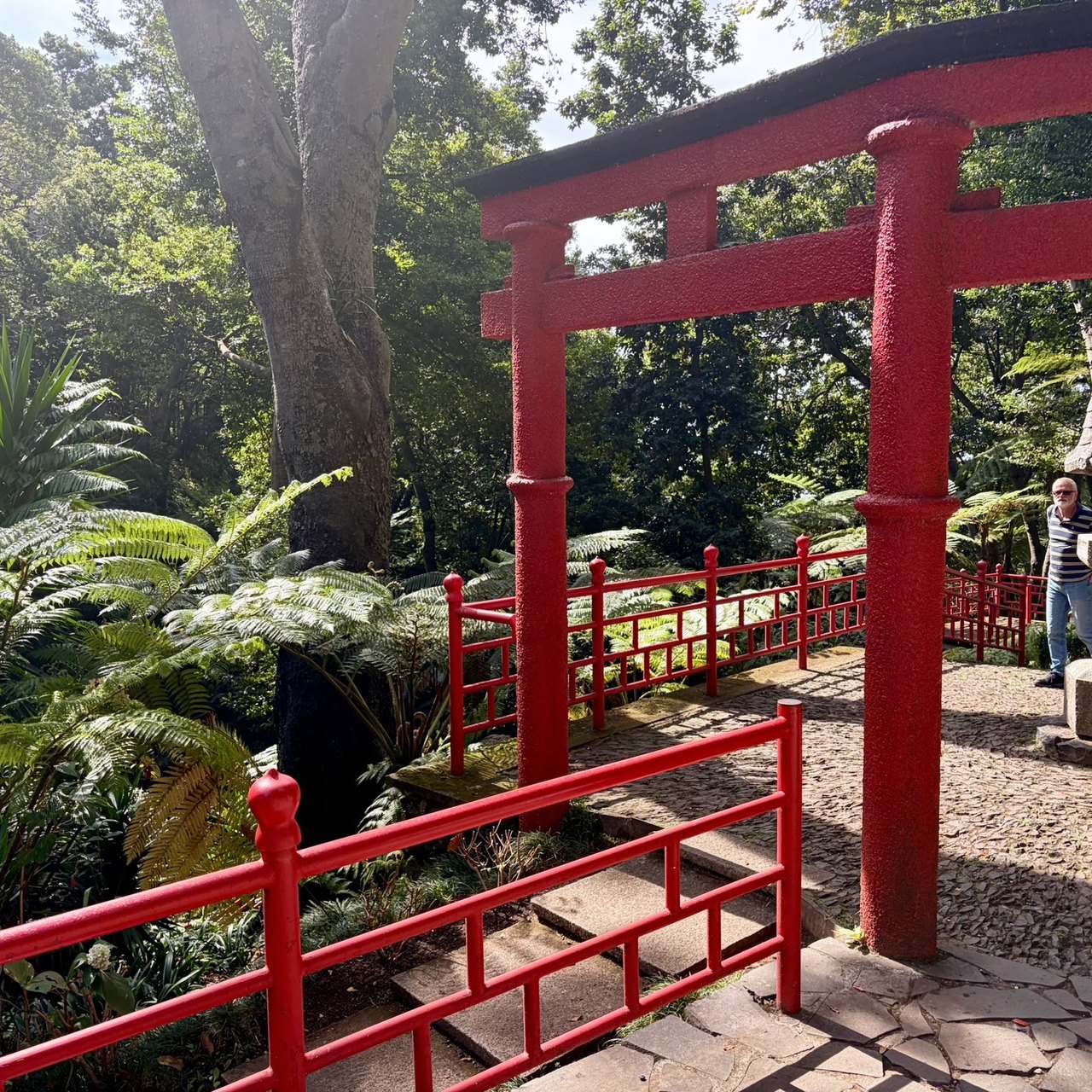
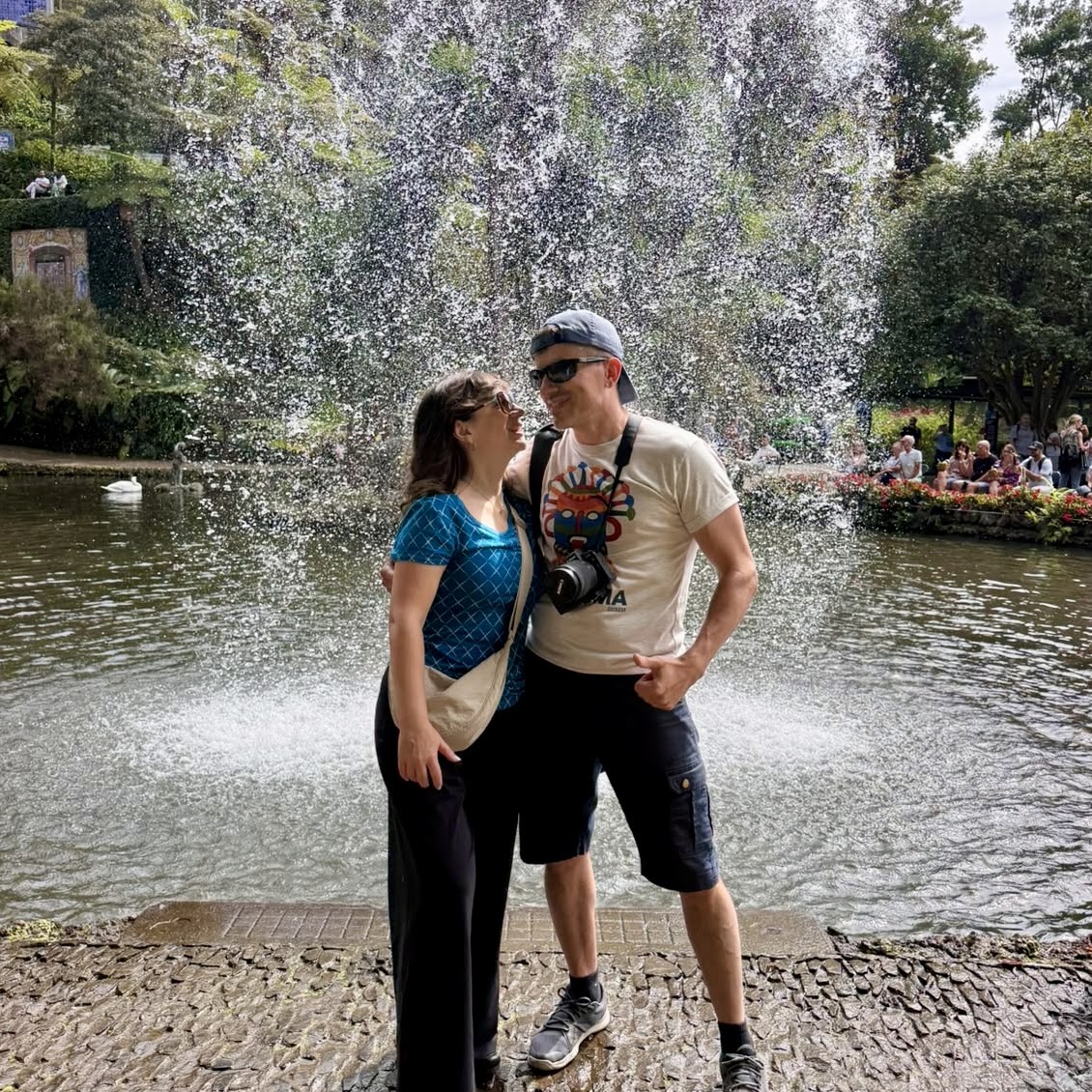
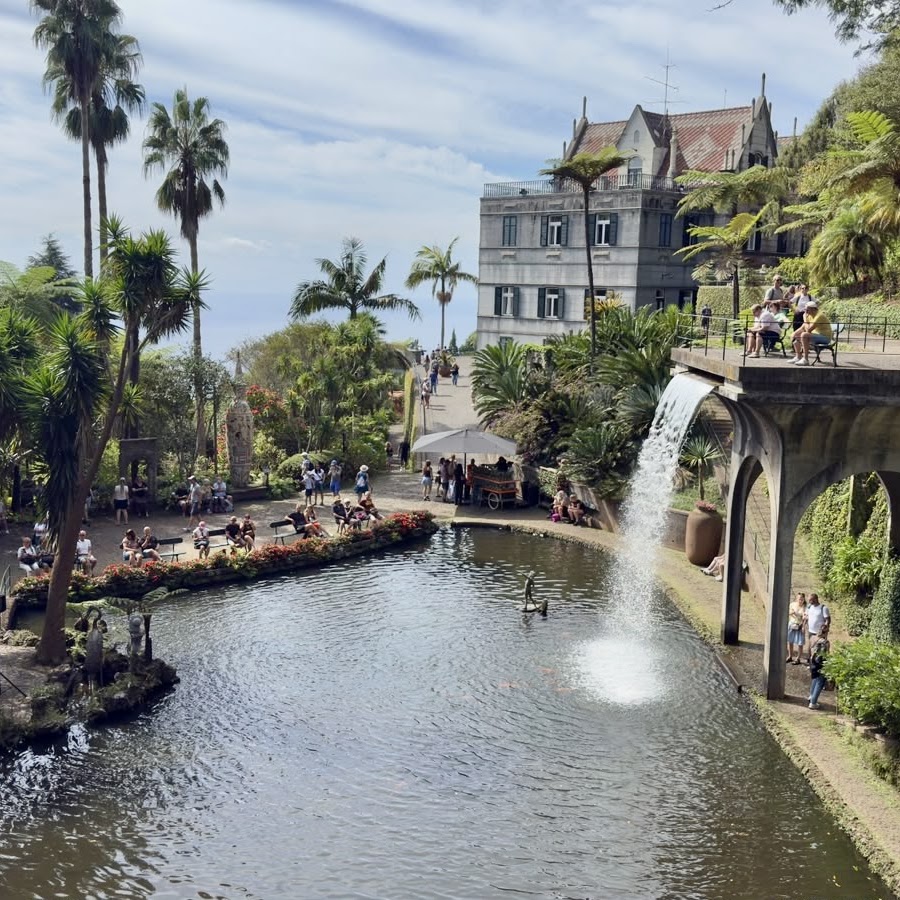
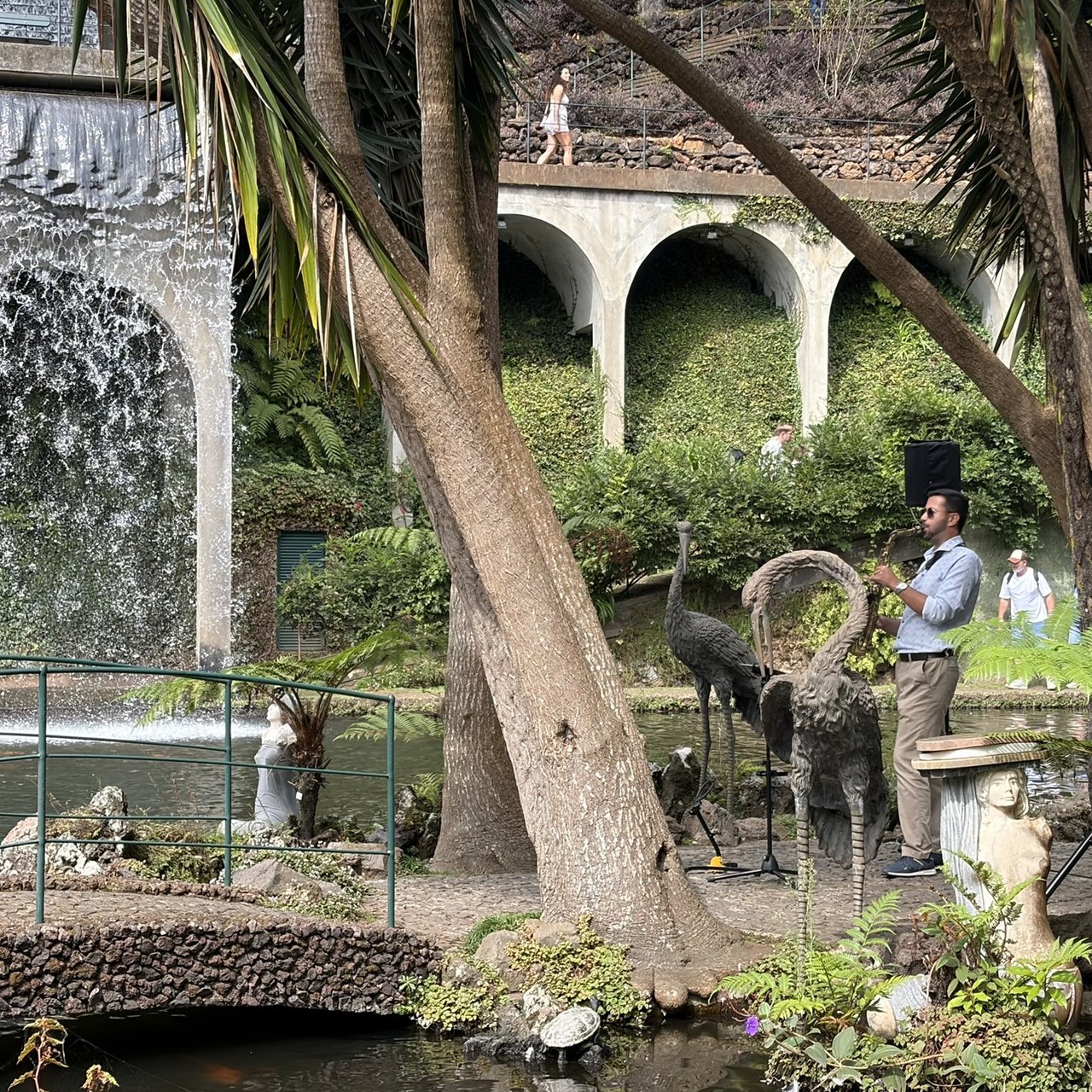
At the top, we find the magnificent Monte Palace Tropical Garden, one of Madeira’s most beautiful tropical gardens. This is a true green paradise covering around 7 hectares, home to exotic plants from all over the world. You could spend hours wandering along its shaded paths, discovering one beautiful corner after another: an elegant Japanese garden with pagodas and little bridges, ponds filled with colourful koi carp, small waterfalls, fountains, sculptures, and wonderful collections of decorative Portuguese azulejo tiles.
The garden is set on a mountainside, so its different levels offer breathtaking views of Funchal, its rooftops, harbour, and the endless ocean. Admission costs €18 per person
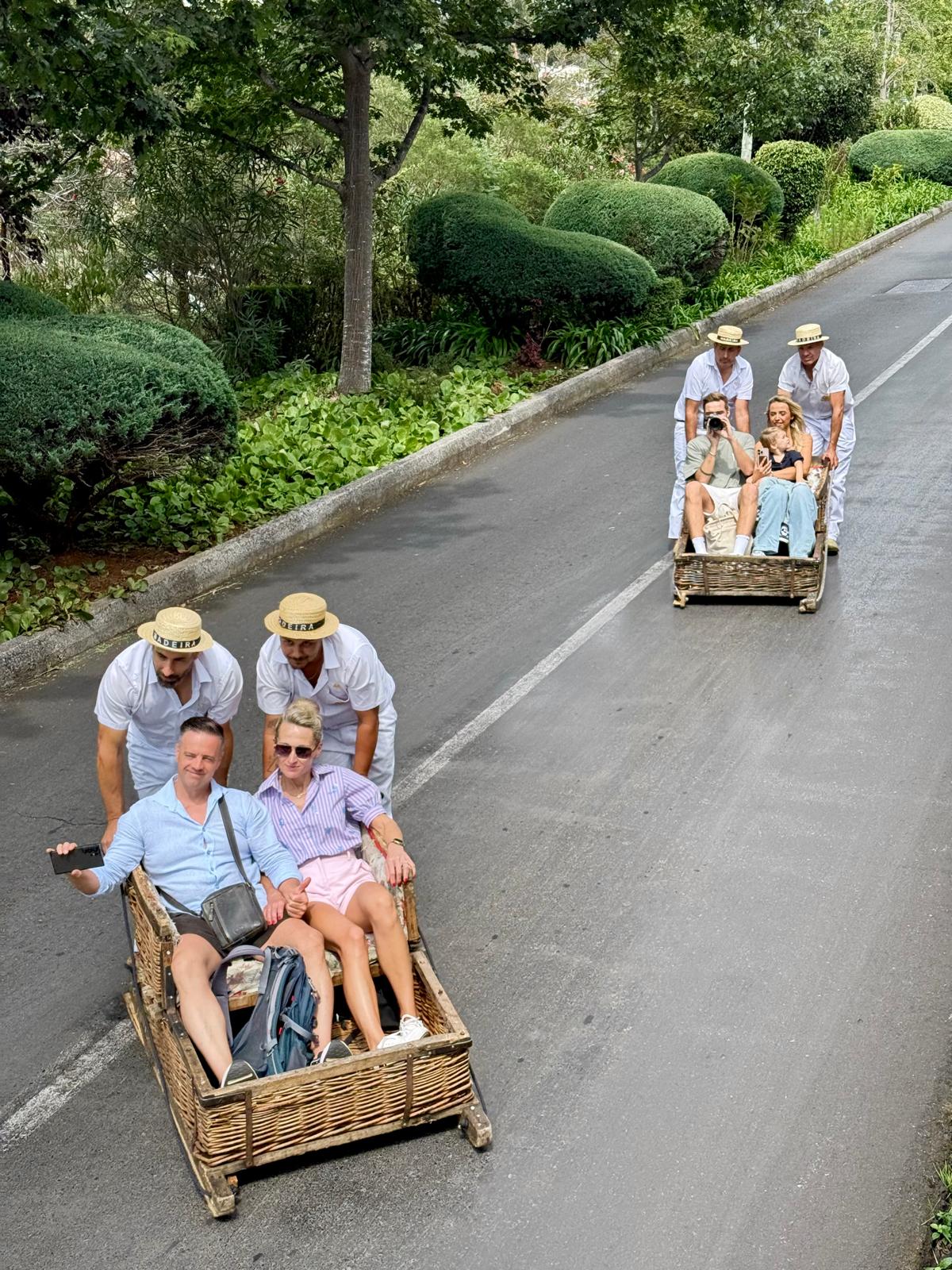
For an additional fee, you can also enjoy a ride on the famous Monte toboggans — traditional wicker basket sledges mounted on wooden runners and steered by two drivers dressed in white and wearing straw hats. They skillfully guide passengers down the steep streets of Monte. This is a long-standing Madeira tradition dating back to the 19th century. The ride takes about 10 minutes and ends in another part of the city.
We take the cable car back down and head out for lunch. This is where we get to try the incredibly delicious local beef dish, Espetada, as well as one of Madeira’s most famous specialties — Espada com Banana. It’s a tender black scabbardfish fillet with a crispy coating, traditionally served with fried banana. Quite an unusual combination, but absolutely delicious!
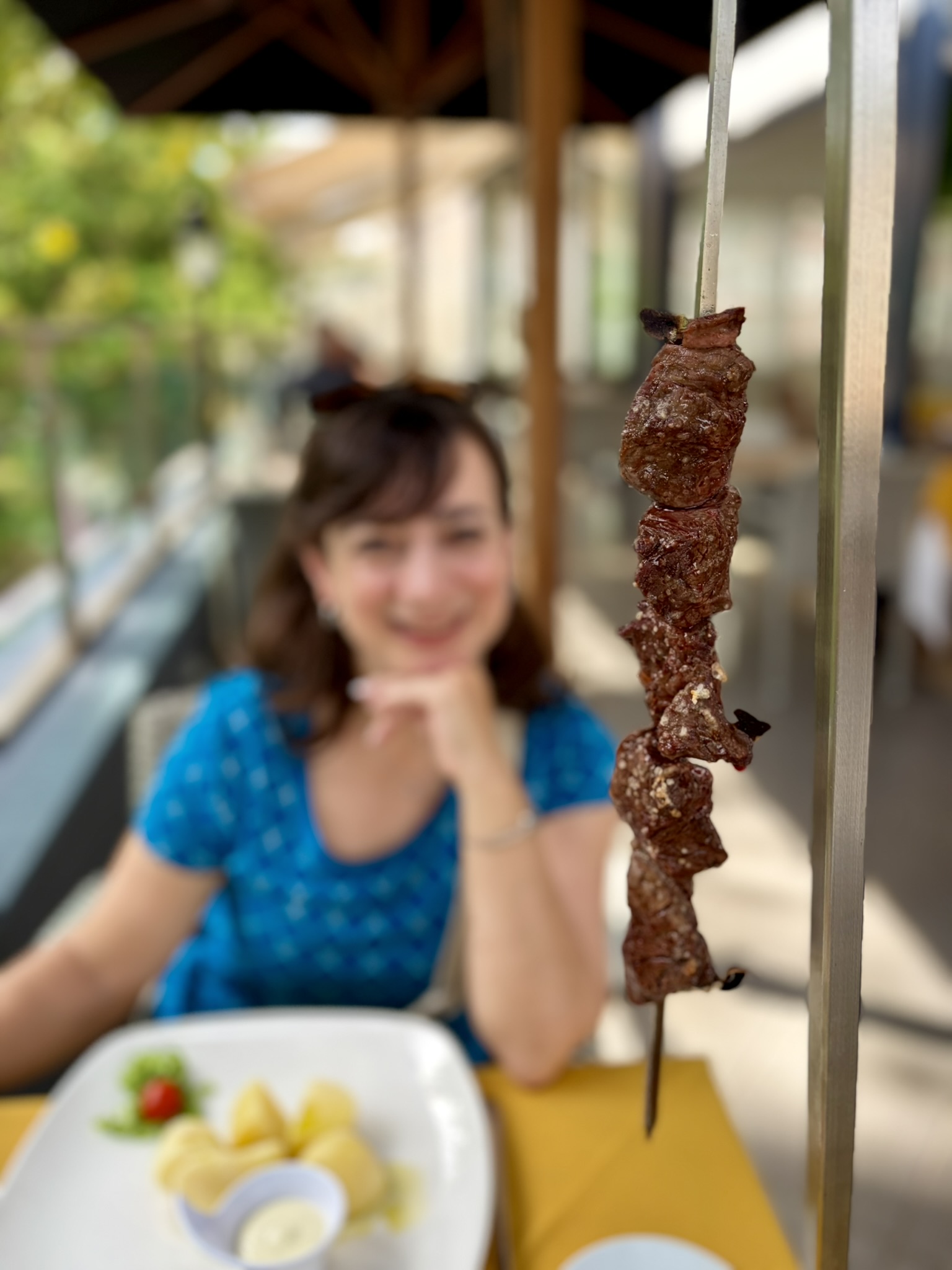
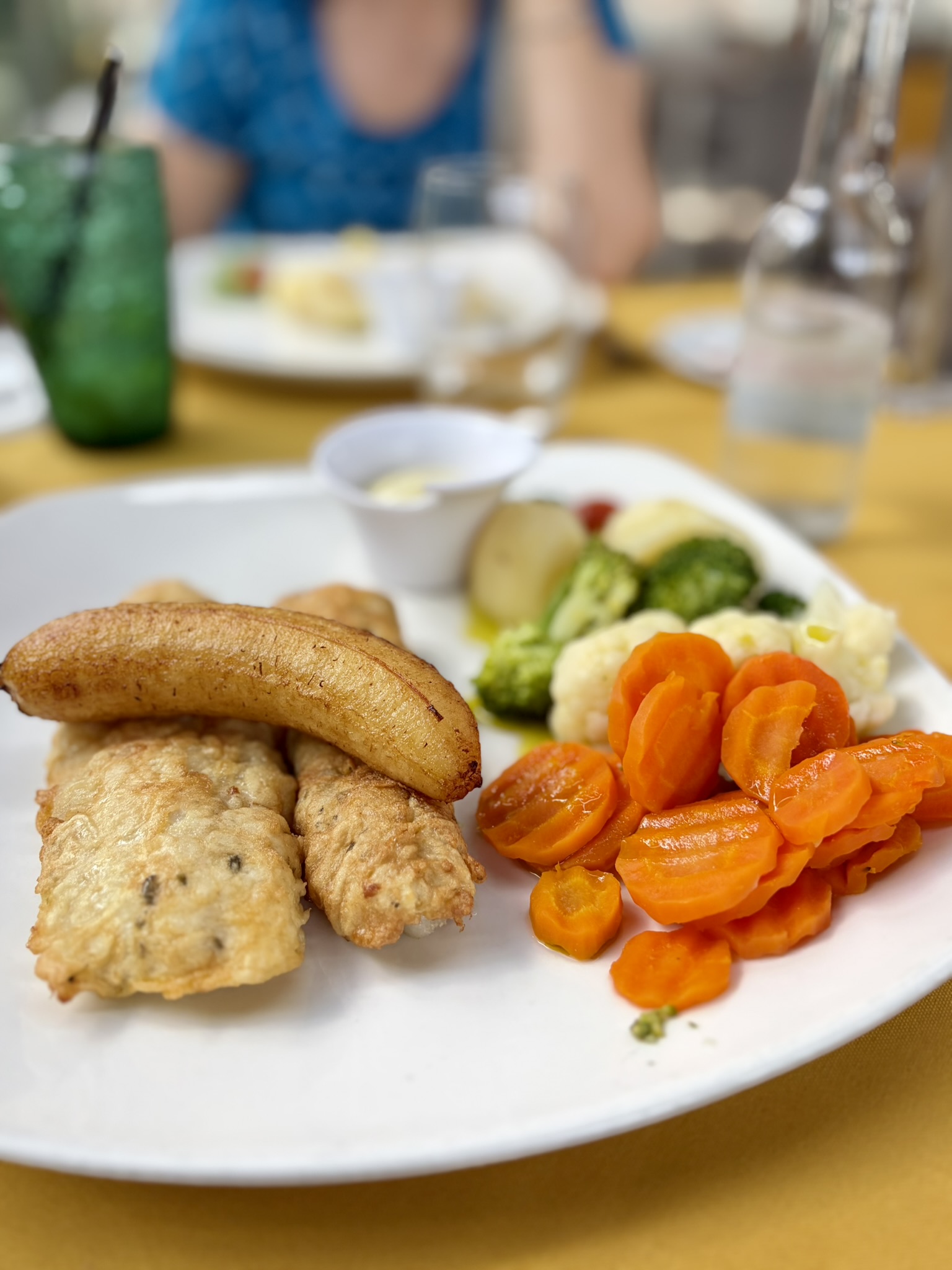
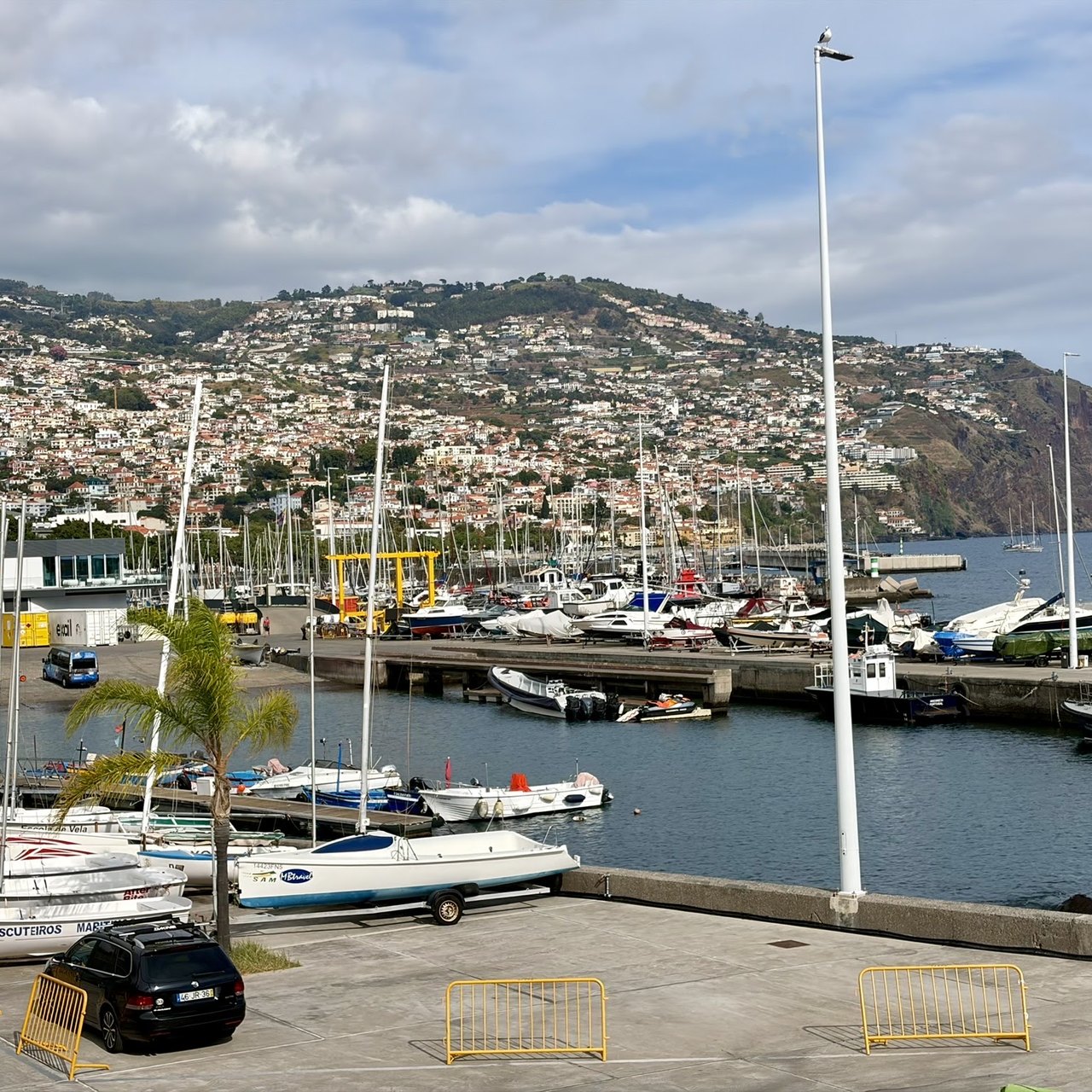
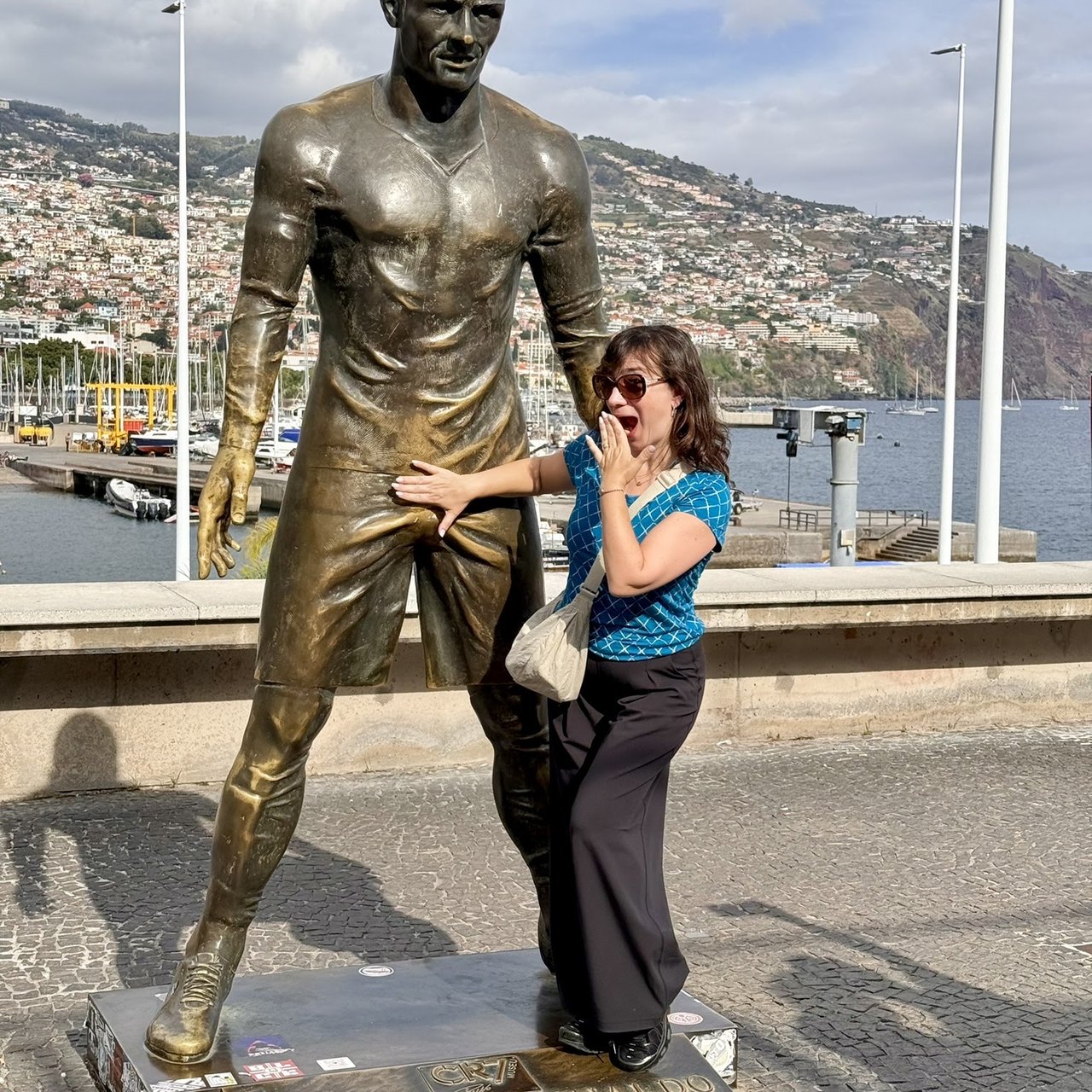
After lunch, we head out for a stroll along Funchal’s waterfront. We enjoy the sea breeze and the beautiful views of the ocean and boats in the harbour. Gradually, we make our way to the statue of Madeira’s most famous son, Cristiano Ronaldo. Of course, we couldn’t just walk past without stopping to take a few photos! :) There’s also a local superstition that rubbing a certain part of the statue brings good luck. Judging by how shiny it is, plenty of people have been hoping for a little extra luck! :)
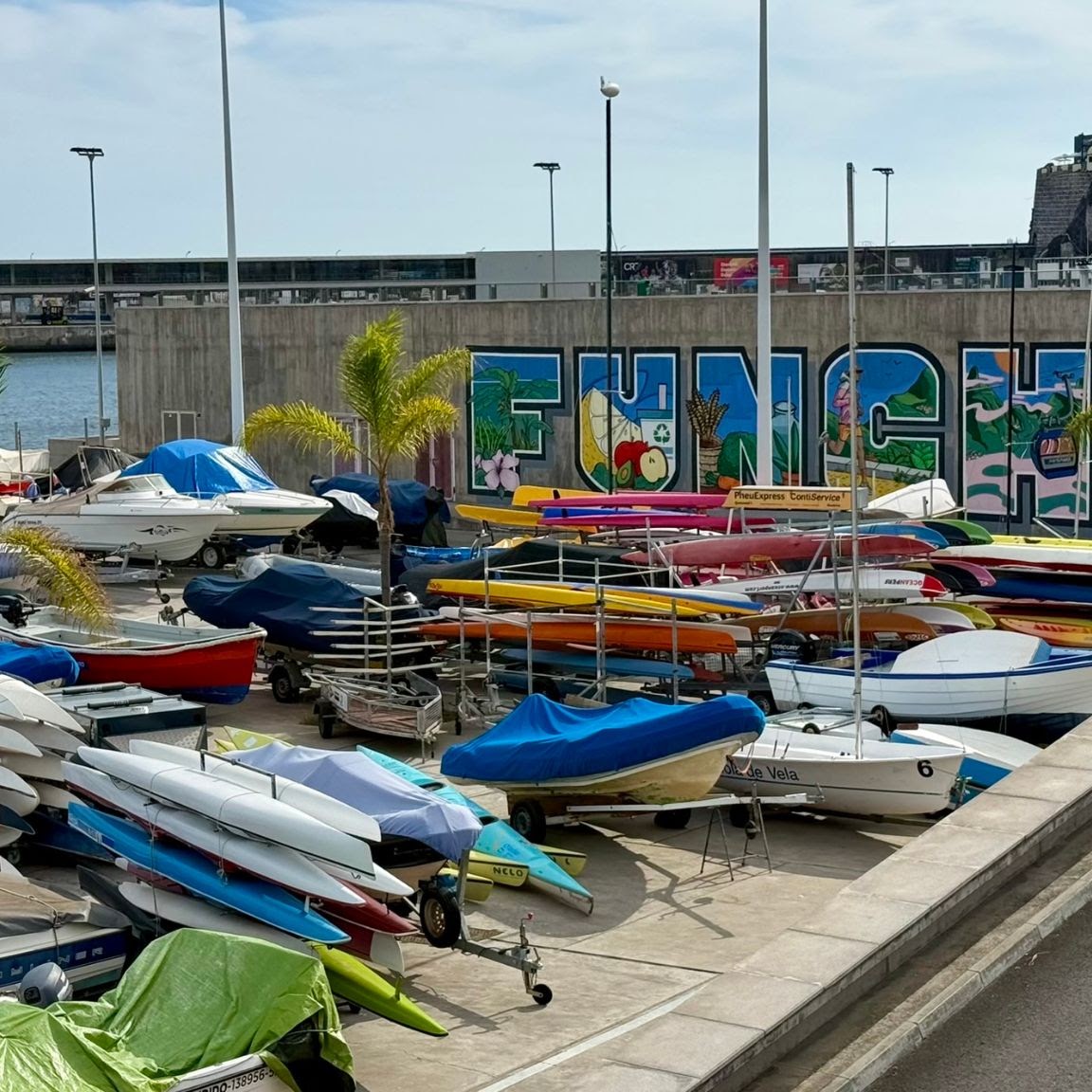
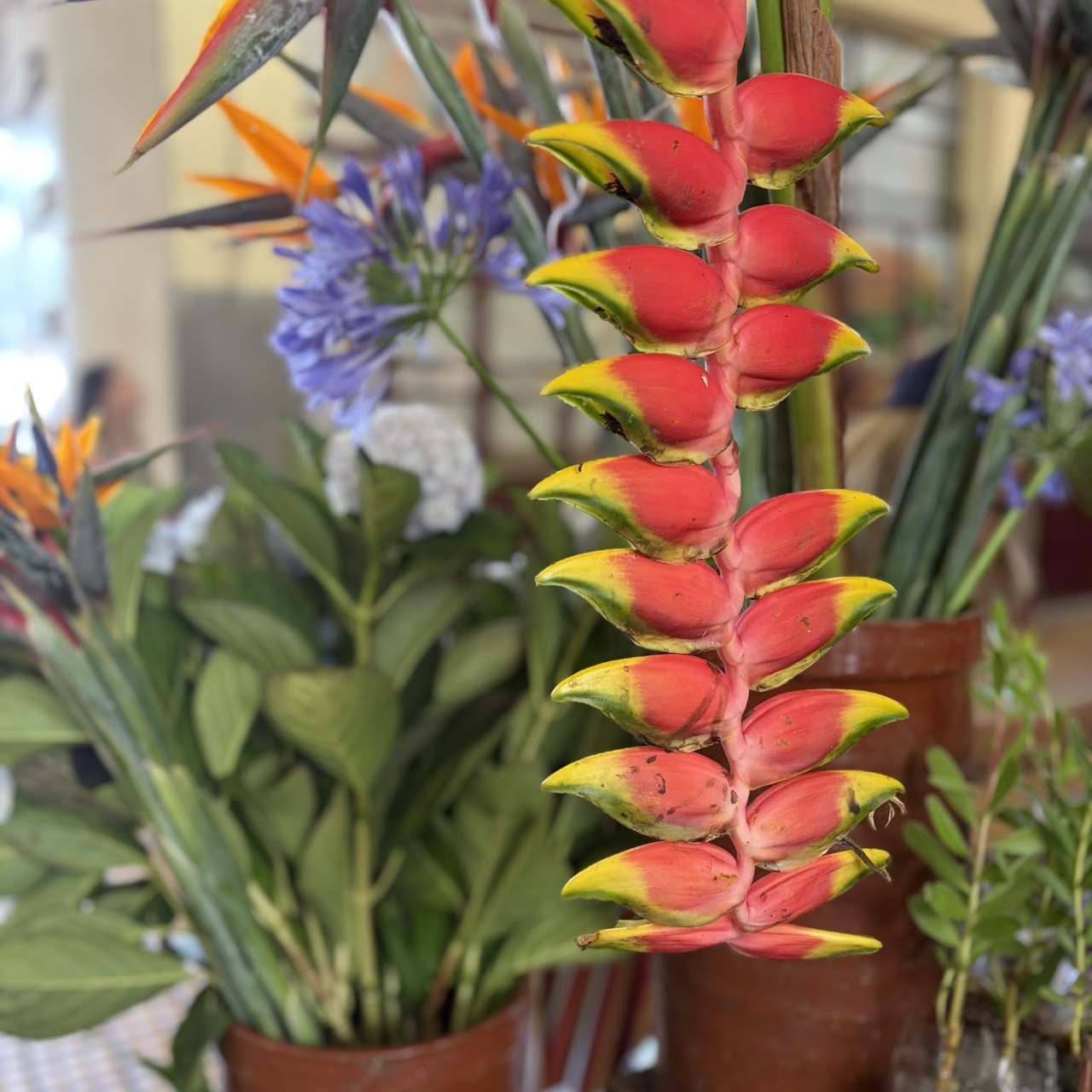
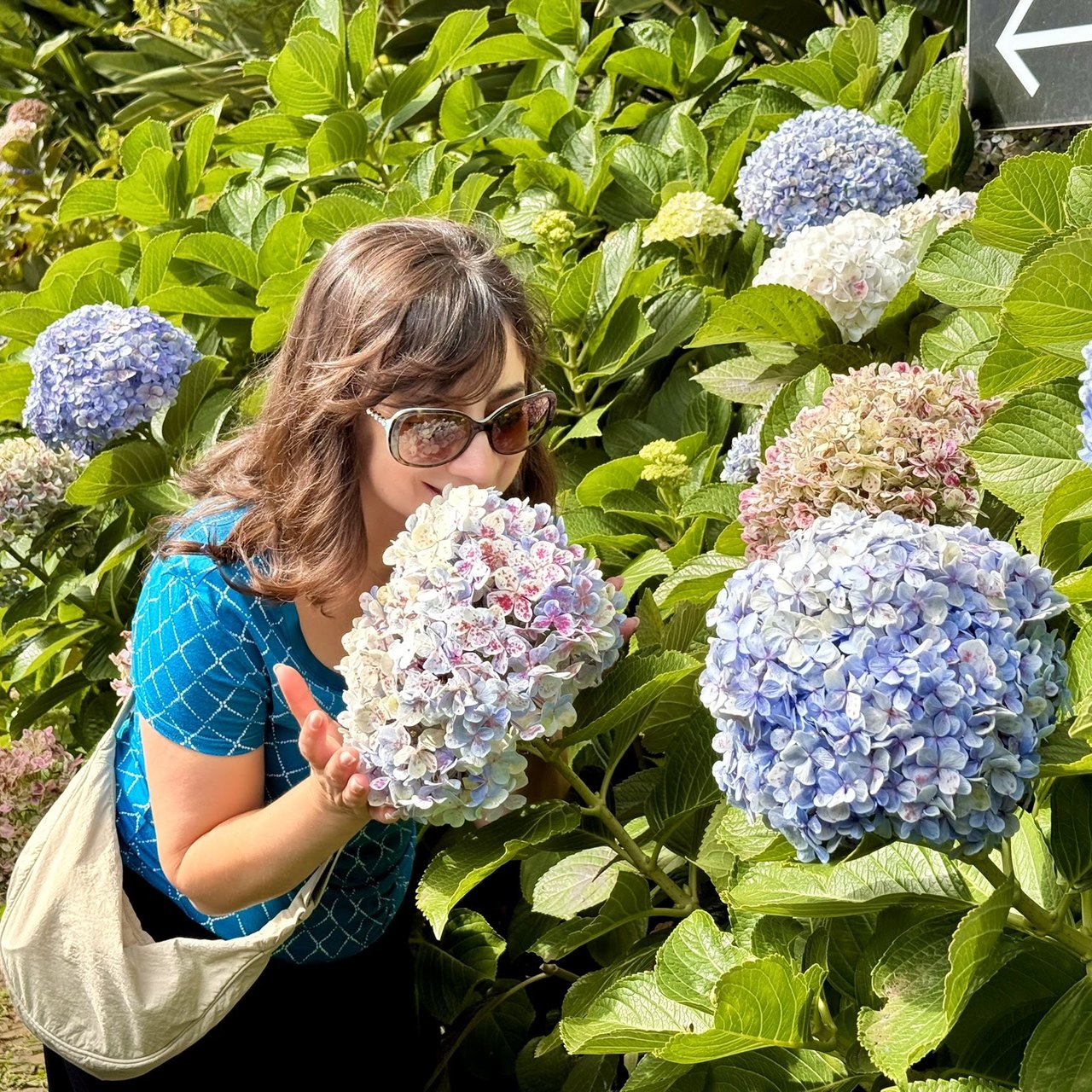
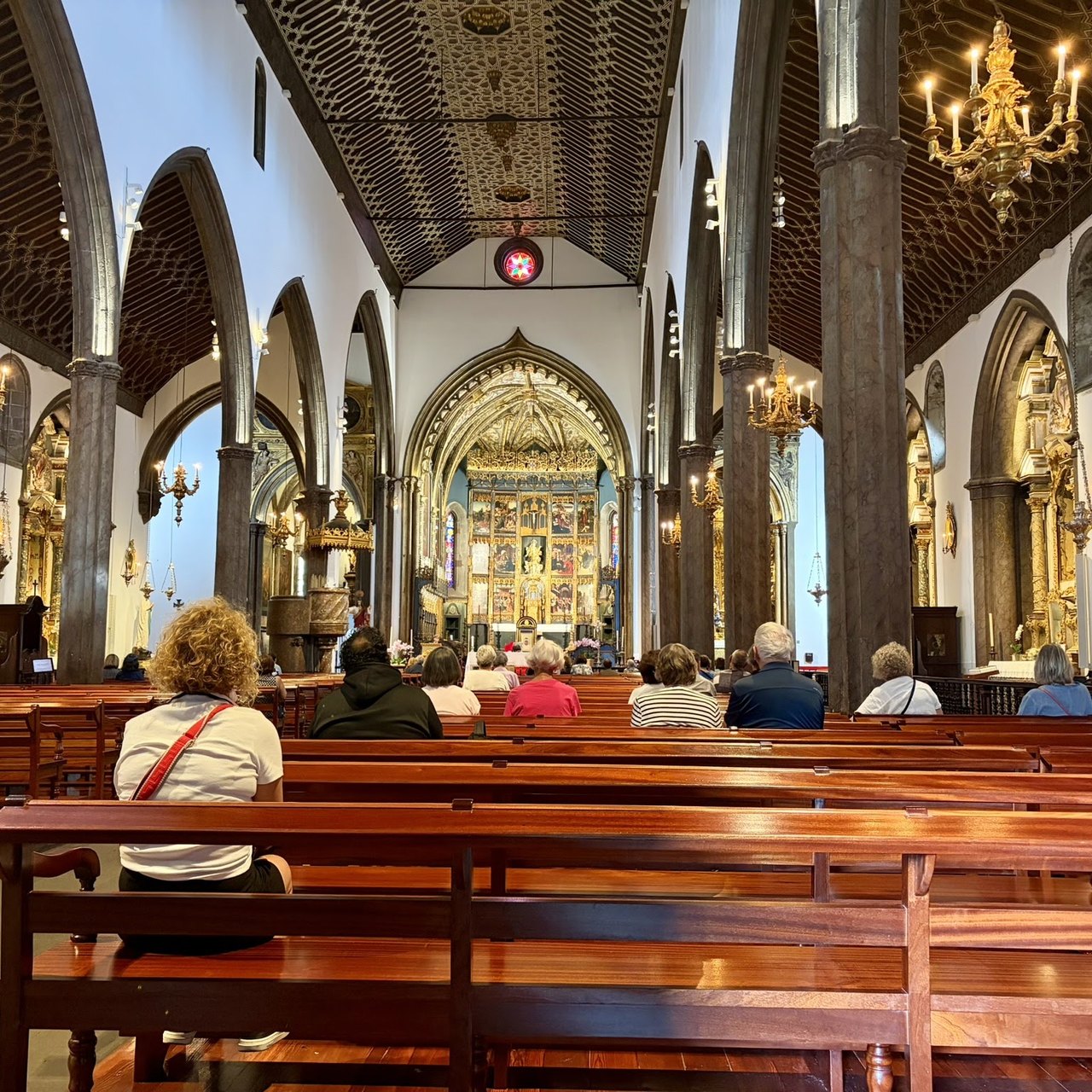
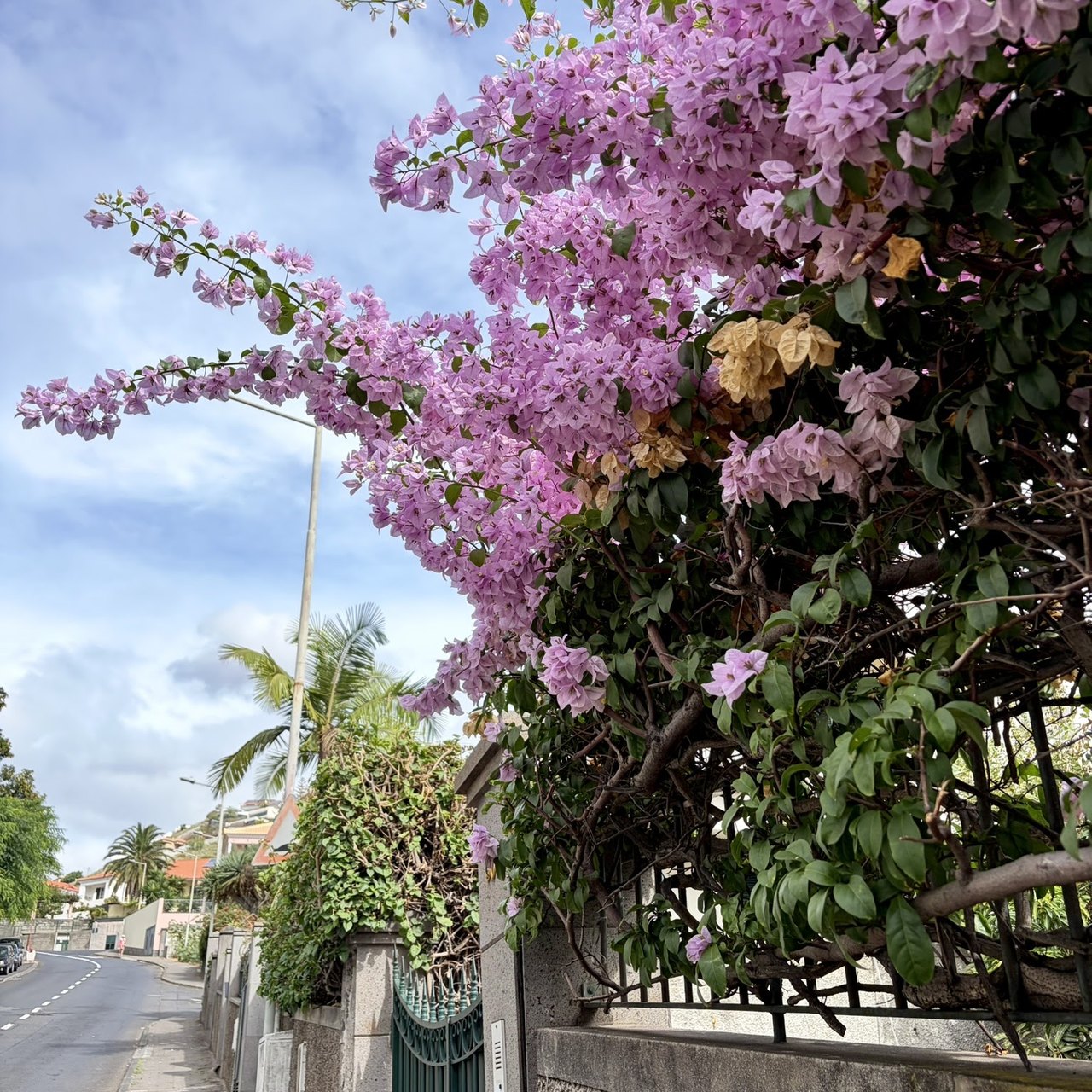
We start making our way back towards the hotel, but keep stopping along the way to admire the beautiful trees, charming little parks, and lush flowering plants. Funchal is truly bursting with greenery and flowers! And although hydrangea season is already over, there are still so many wonderful plants and colourful blooms everywhere that it’s impossible not to stop and capture all this beauty in photos...
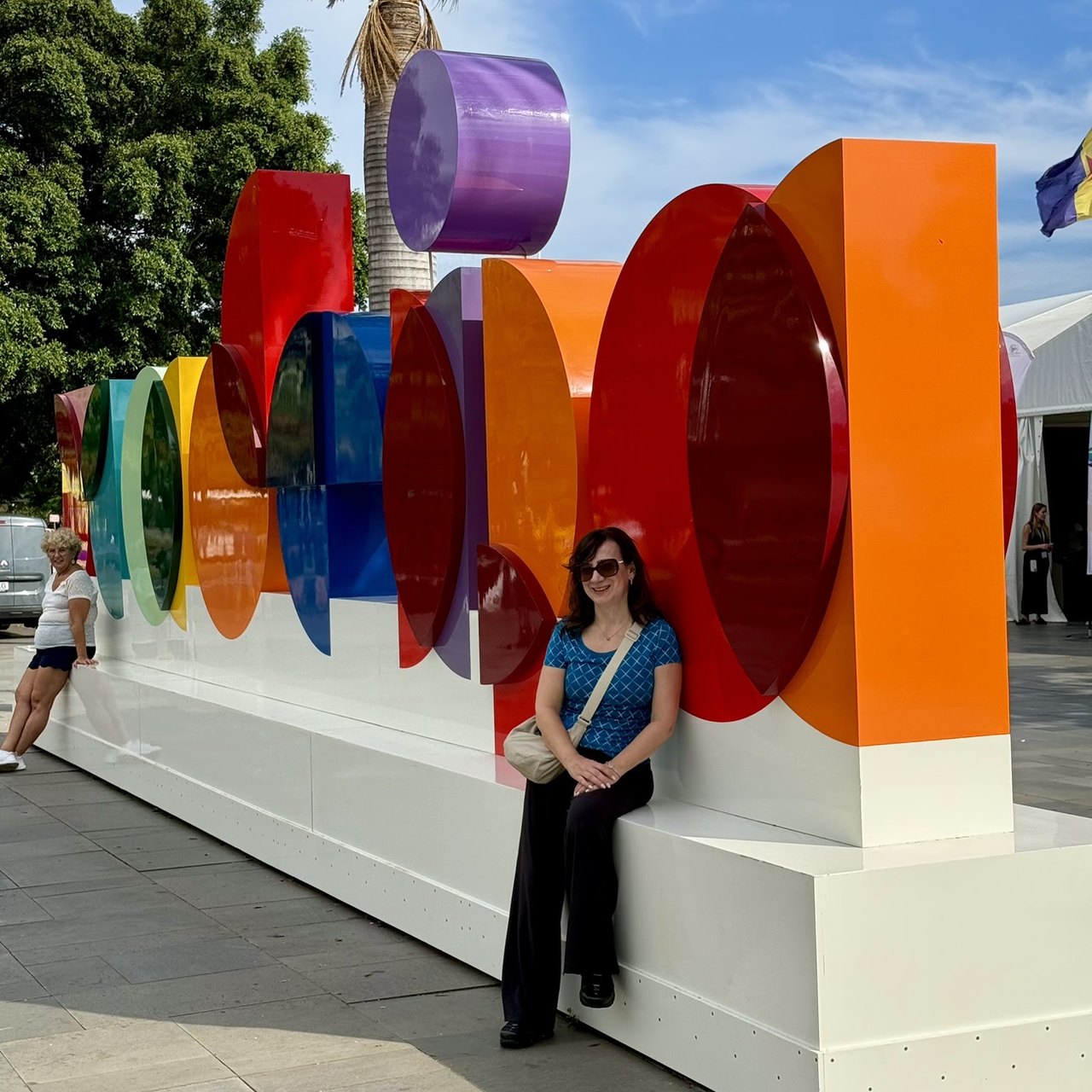
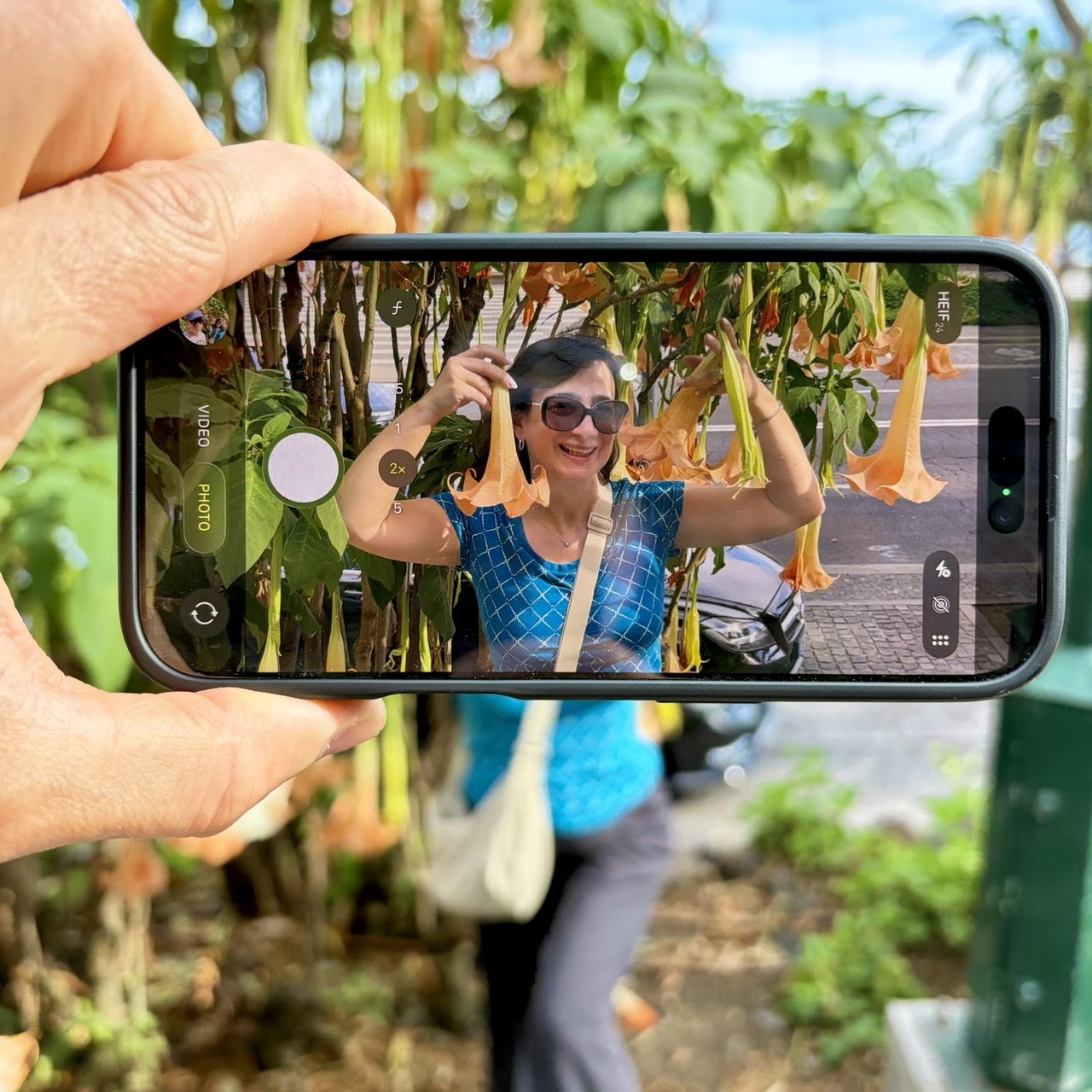
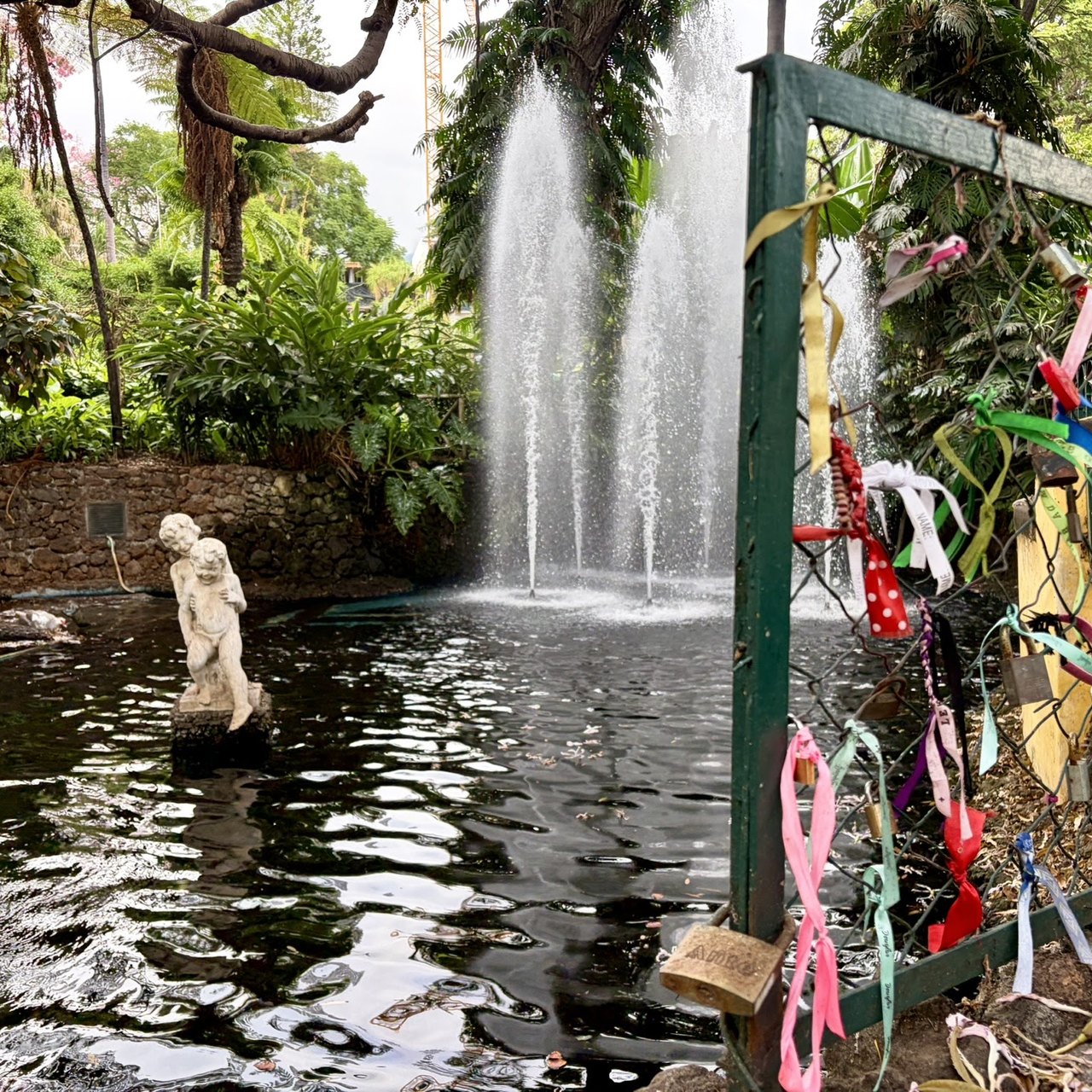
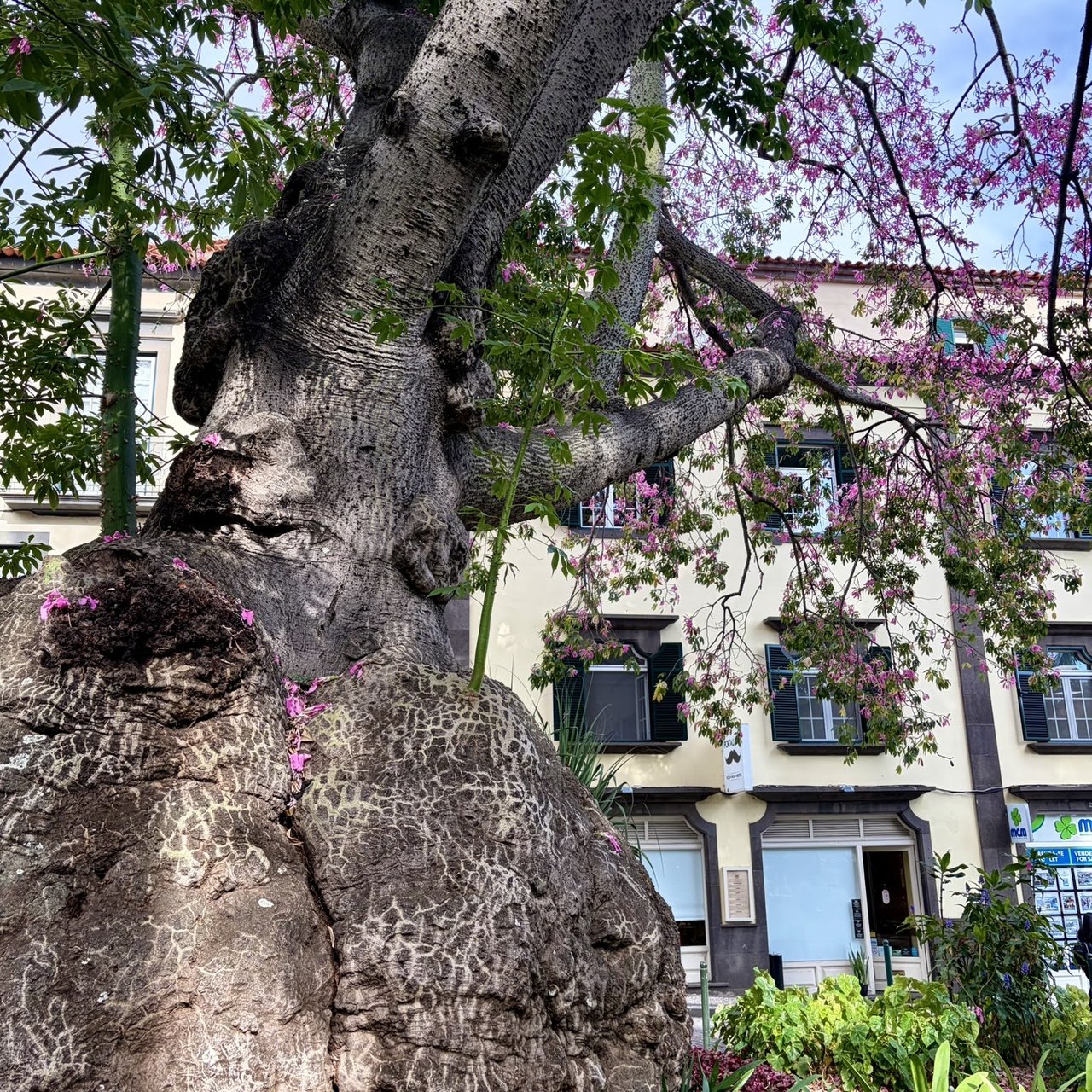
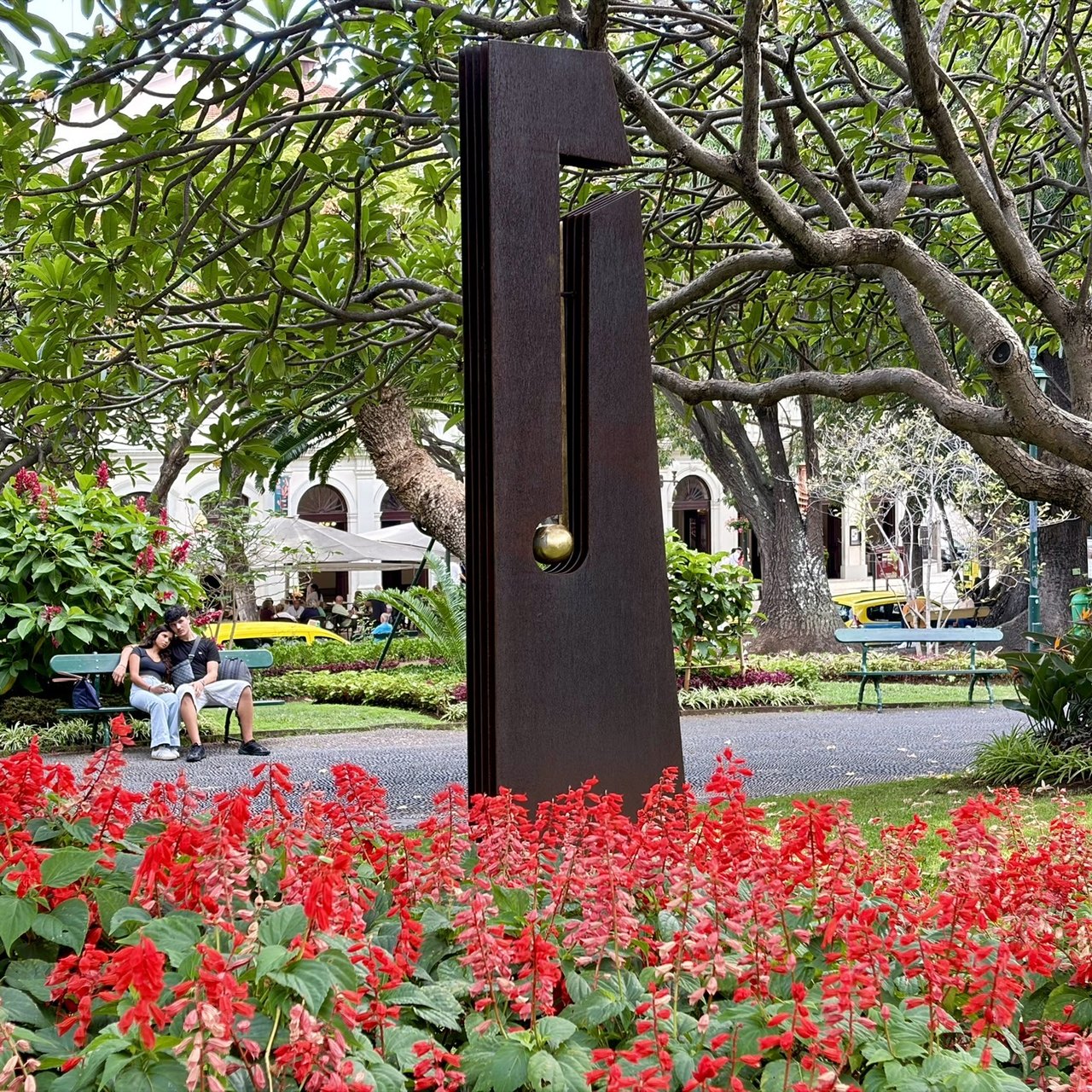
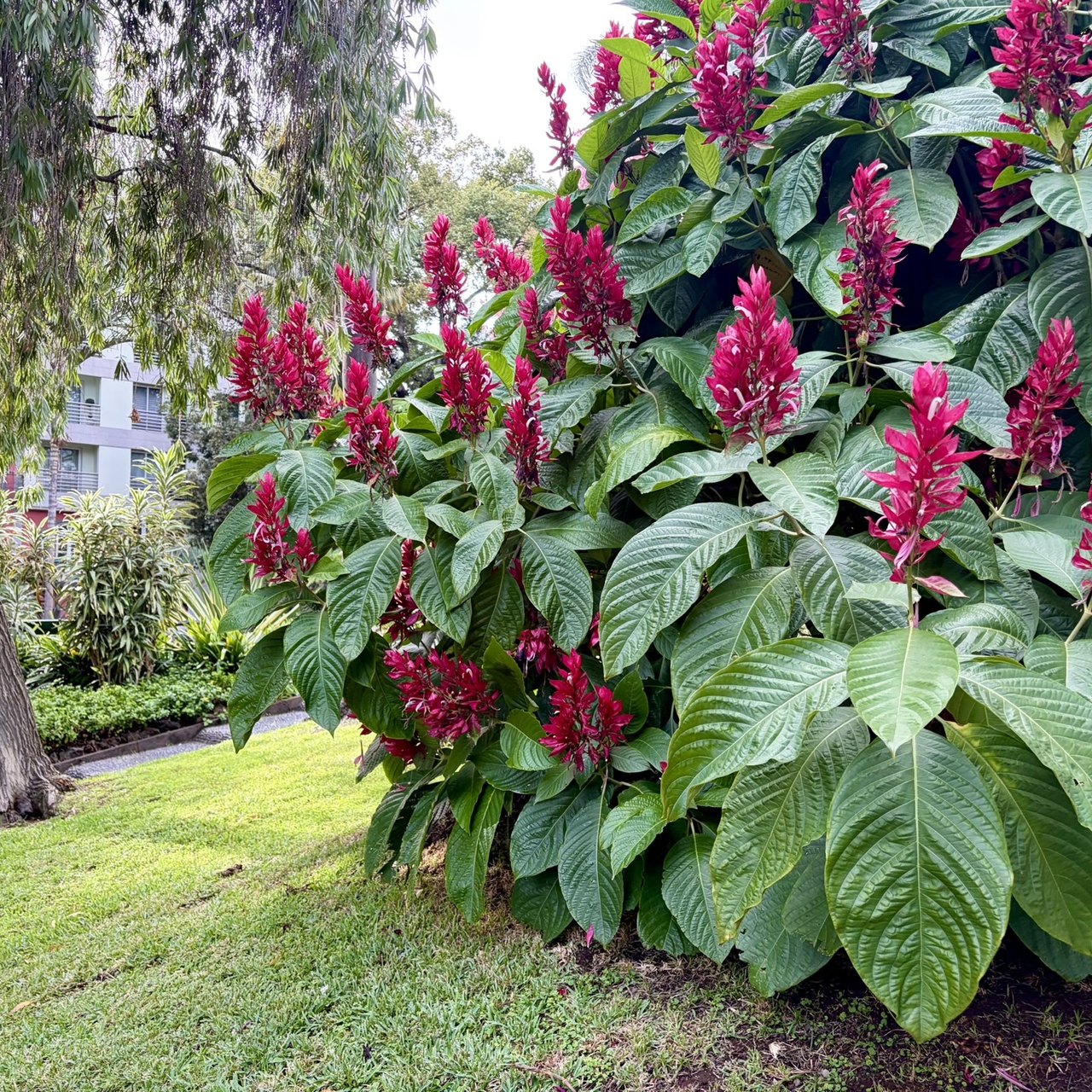
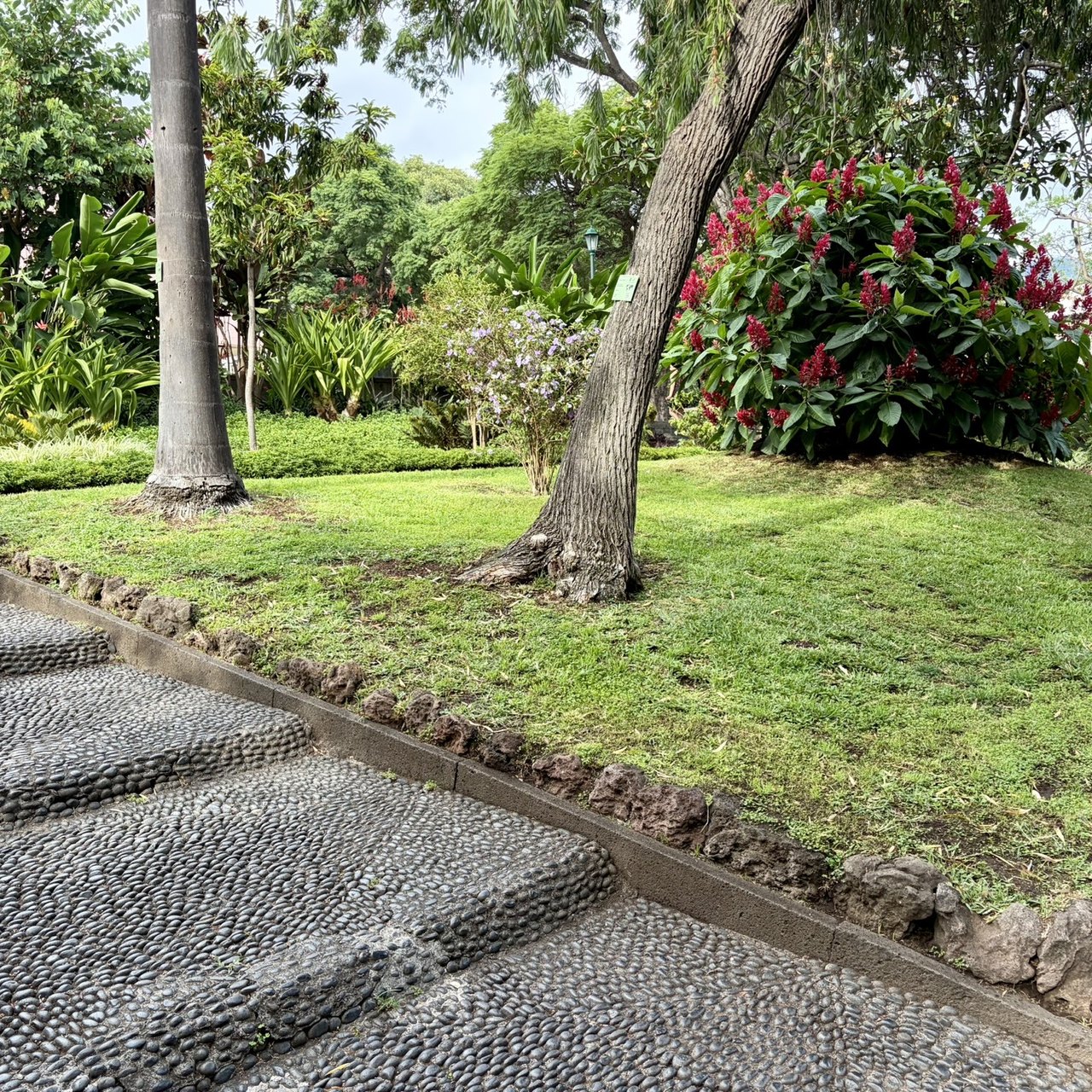
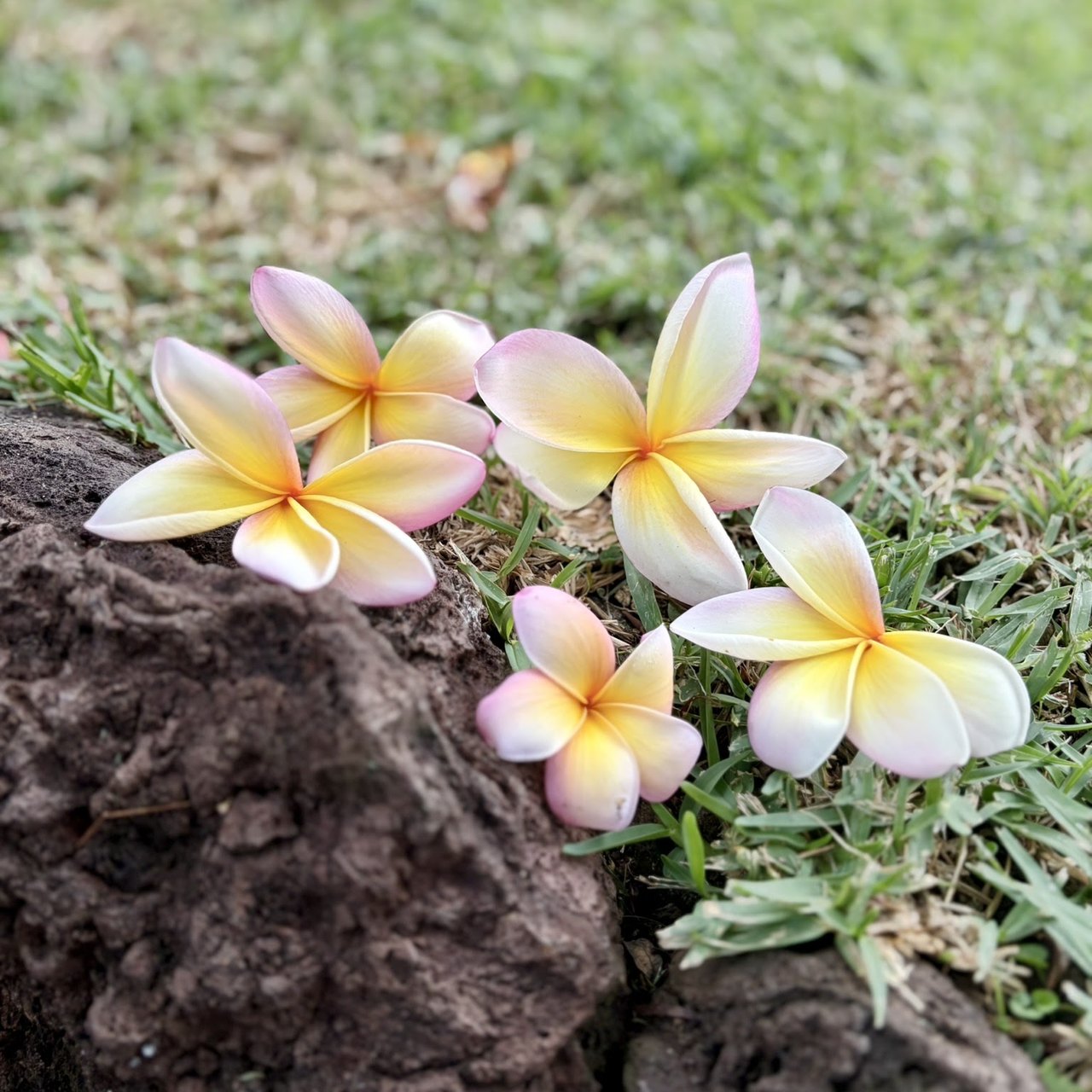
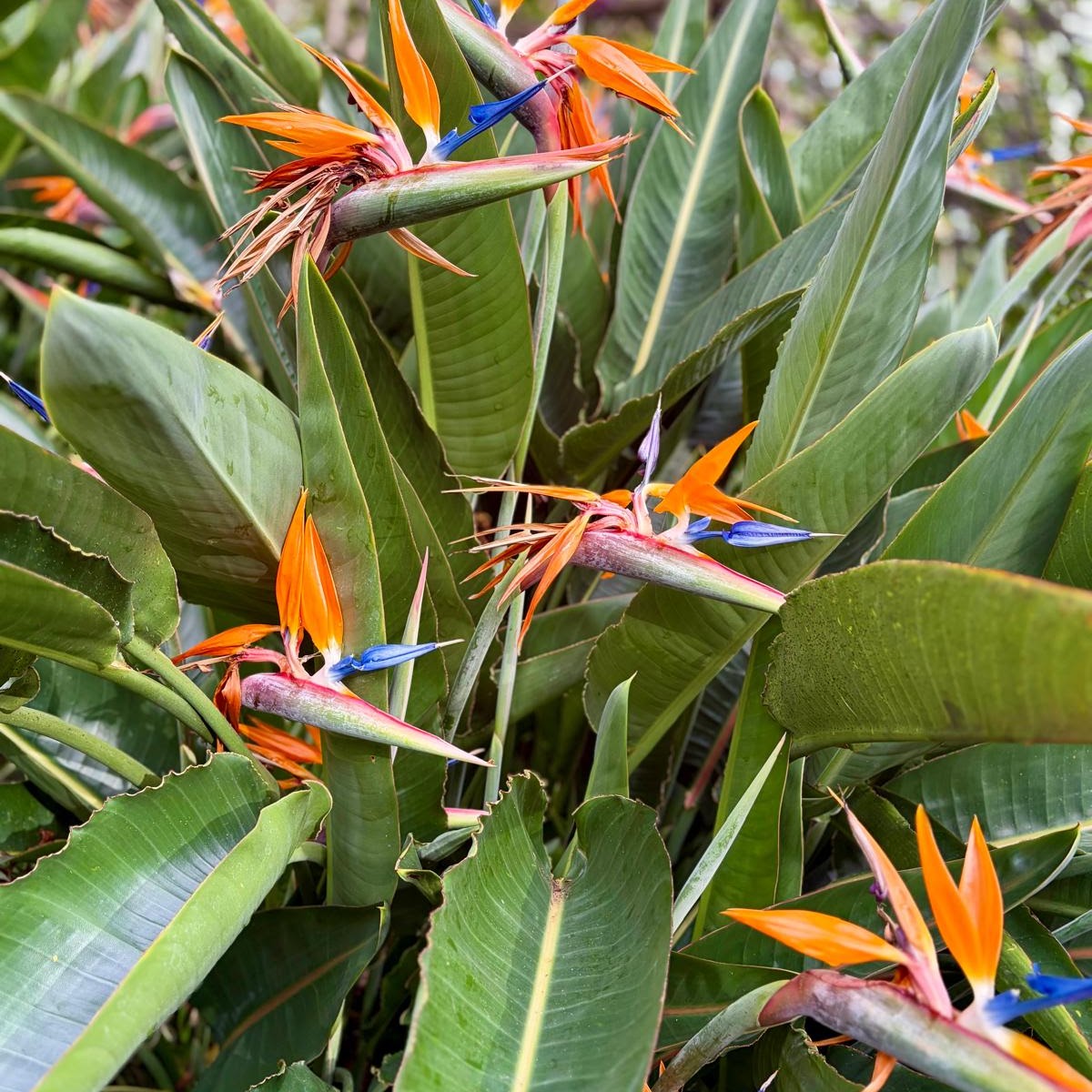
We wander through the charming little streets, stopping to visit the churches along the way. And these beautiful orange flowers are one of Madeira’s iconic blooms. They’re called Bird of Paradise because their unusual shape resembles a colourful tropical bird in flight
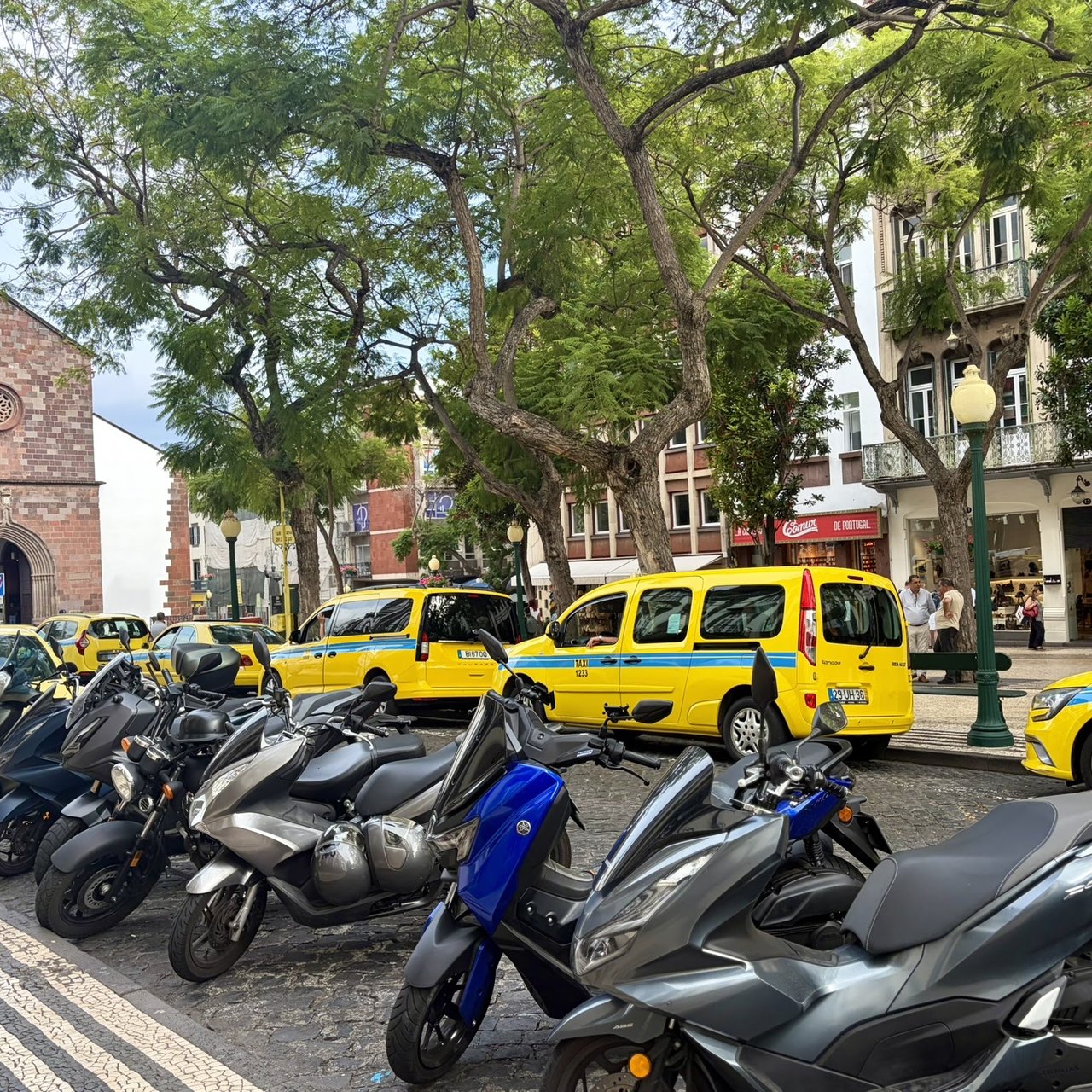
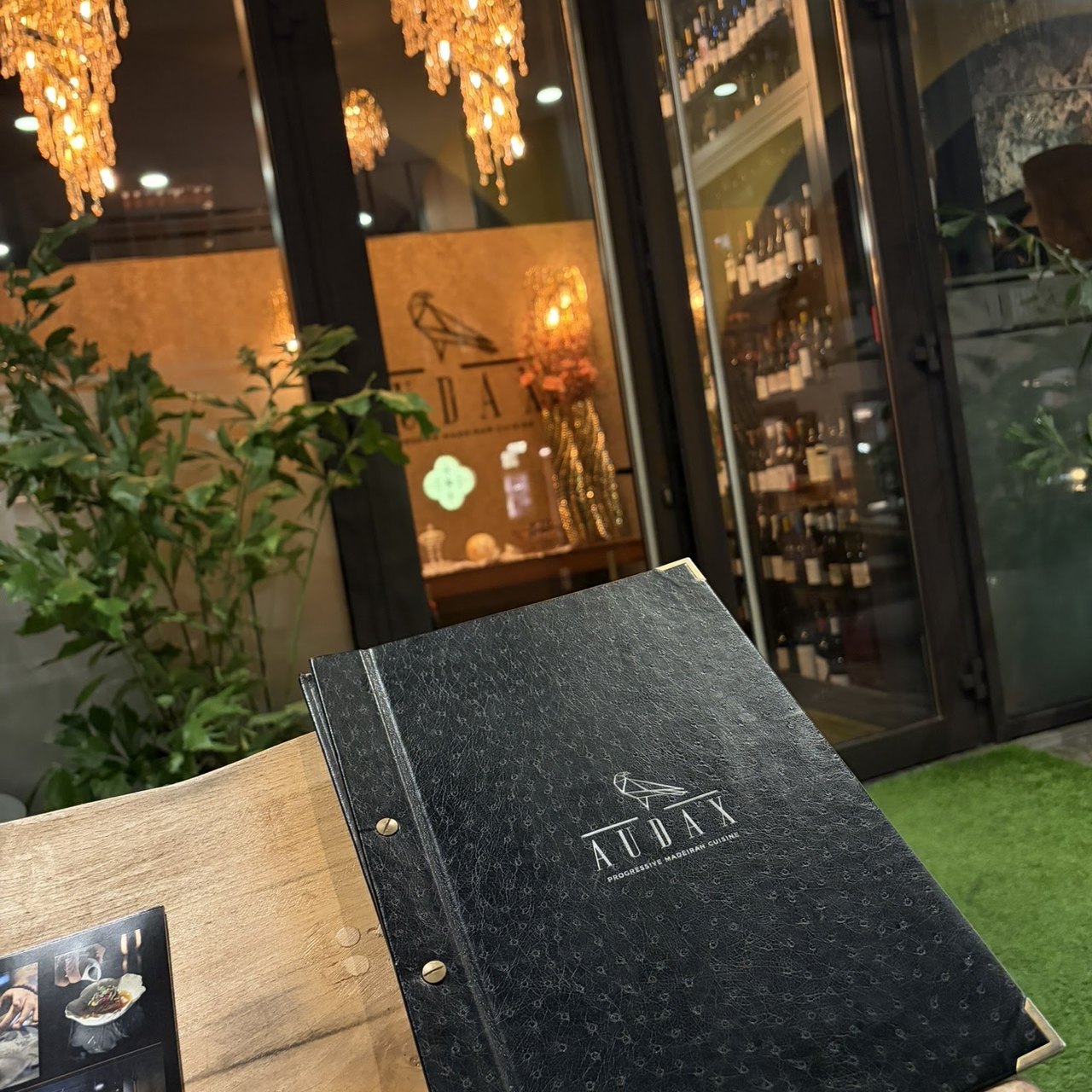
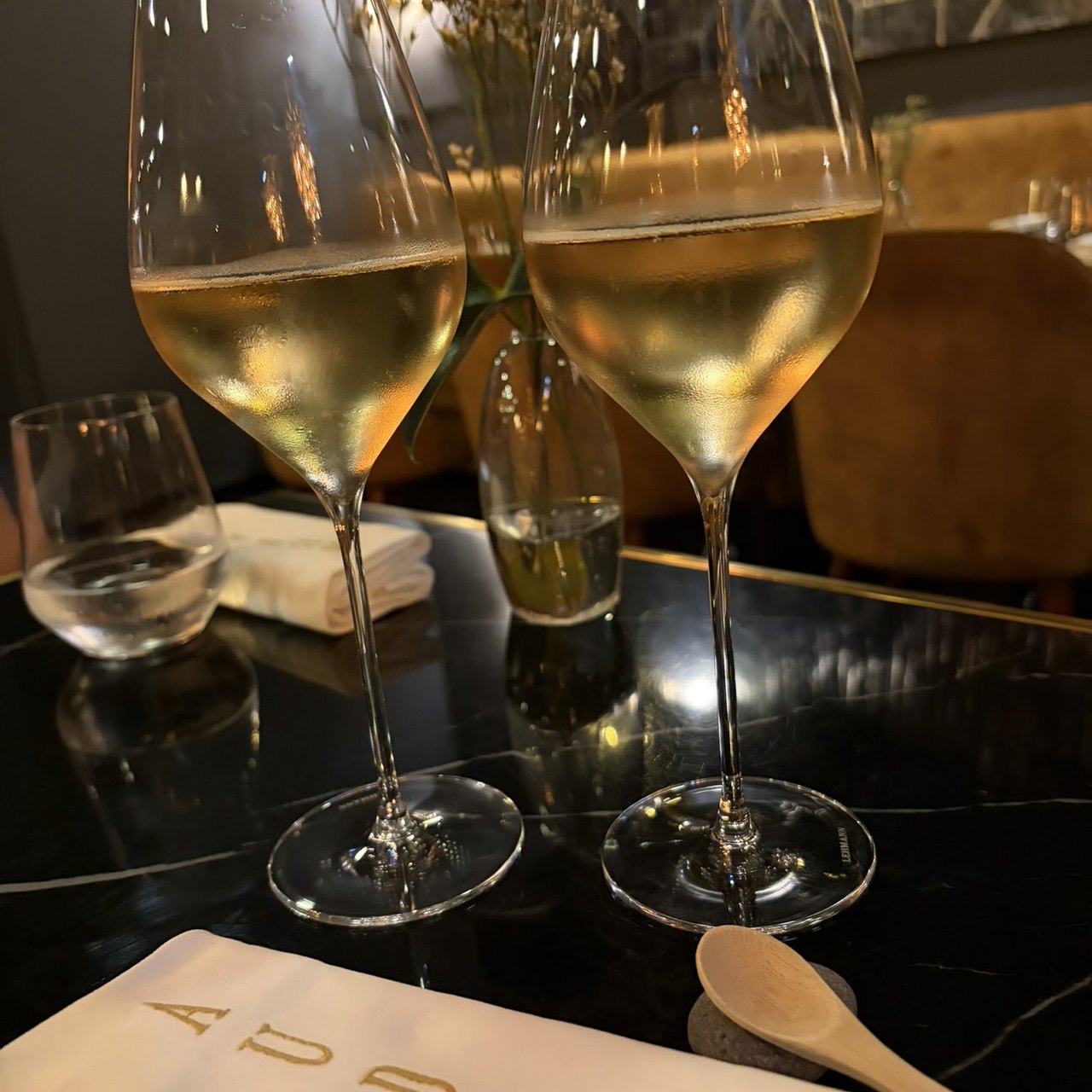
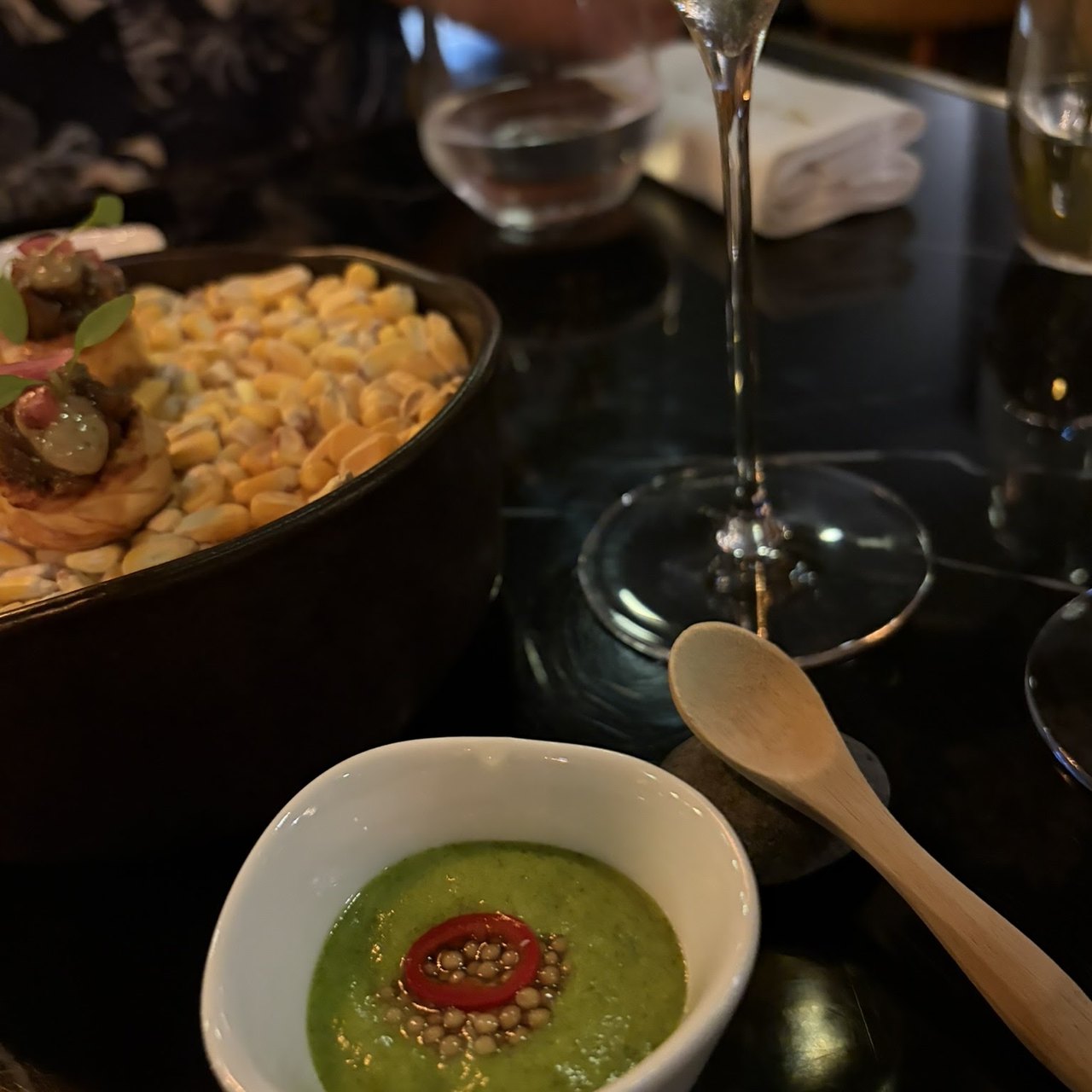
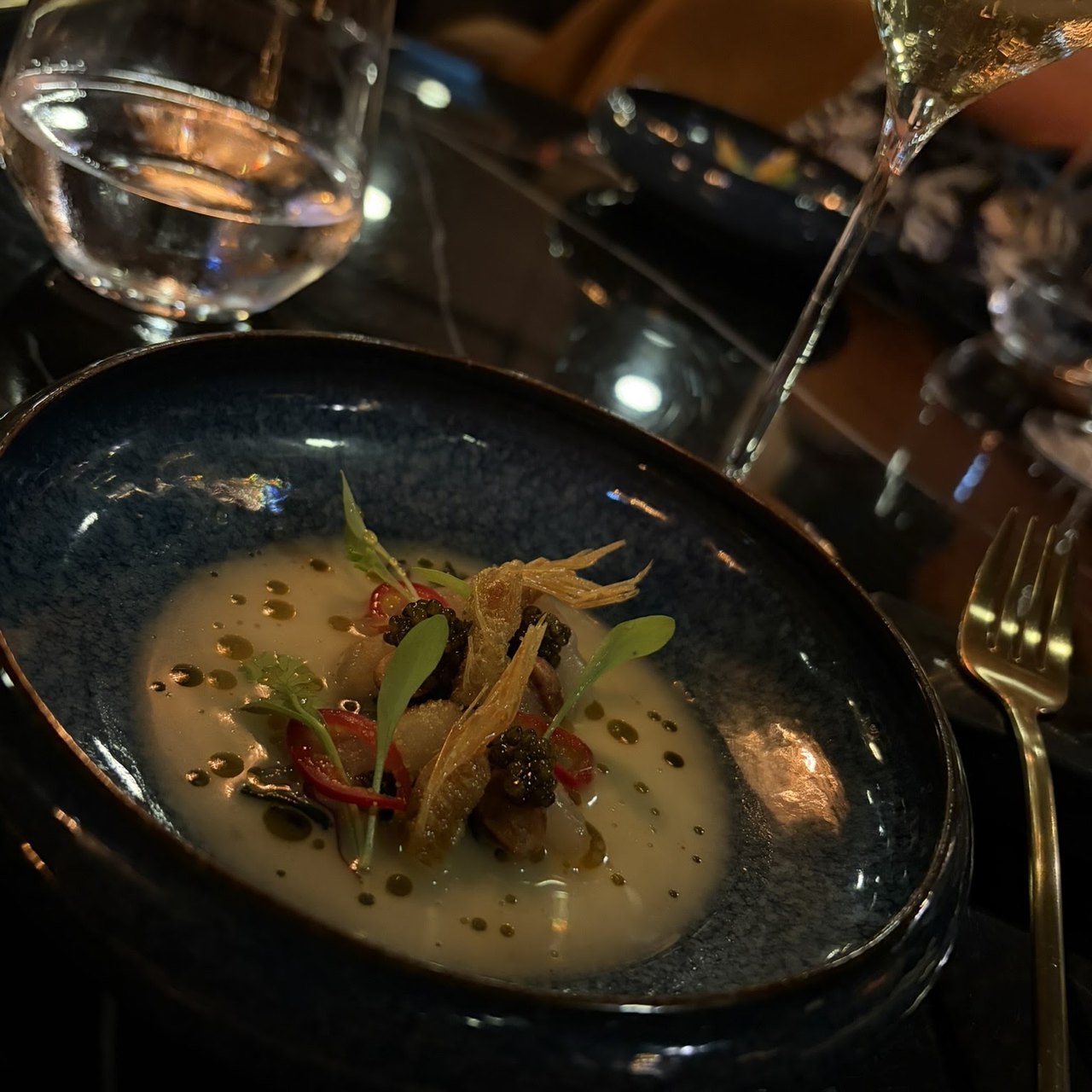
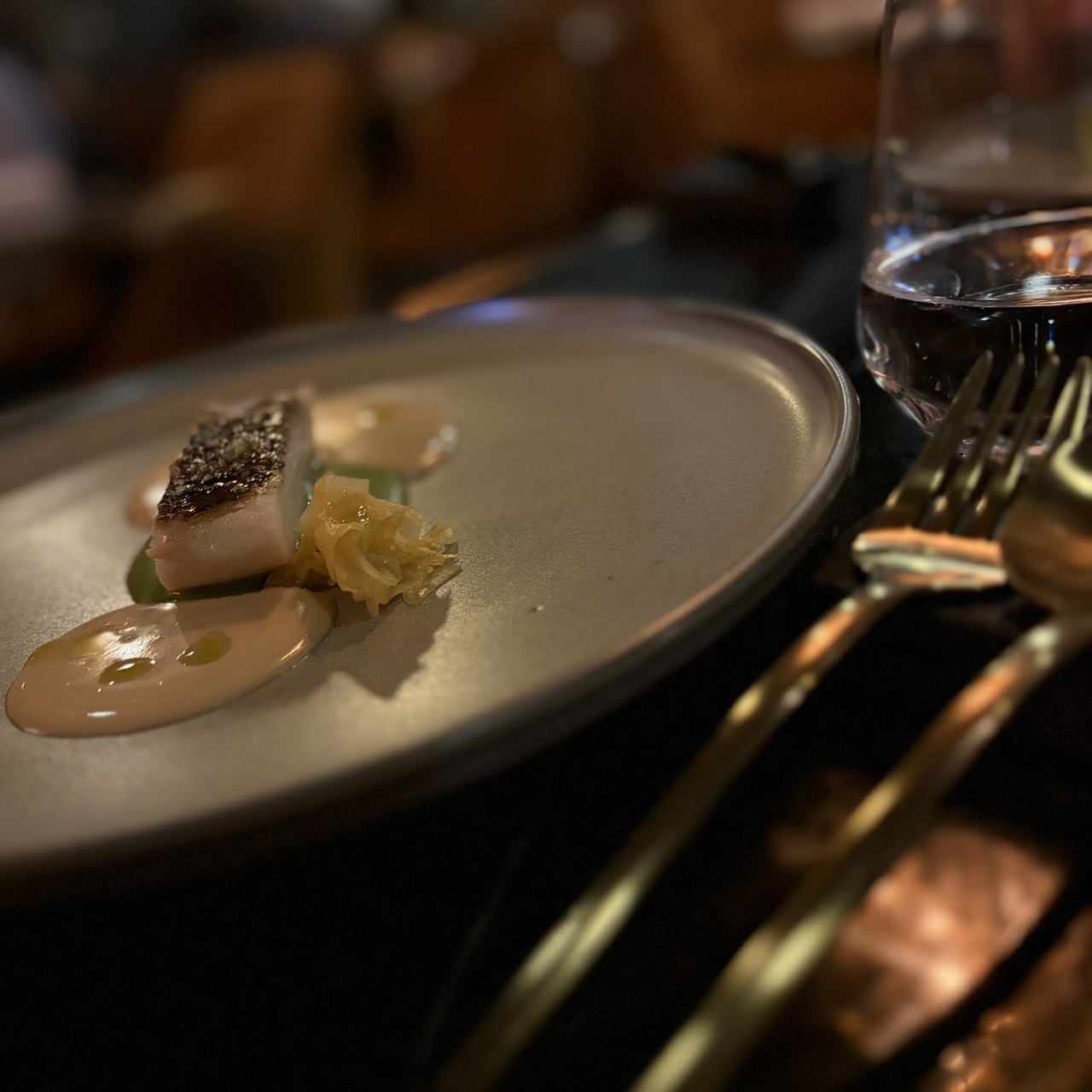
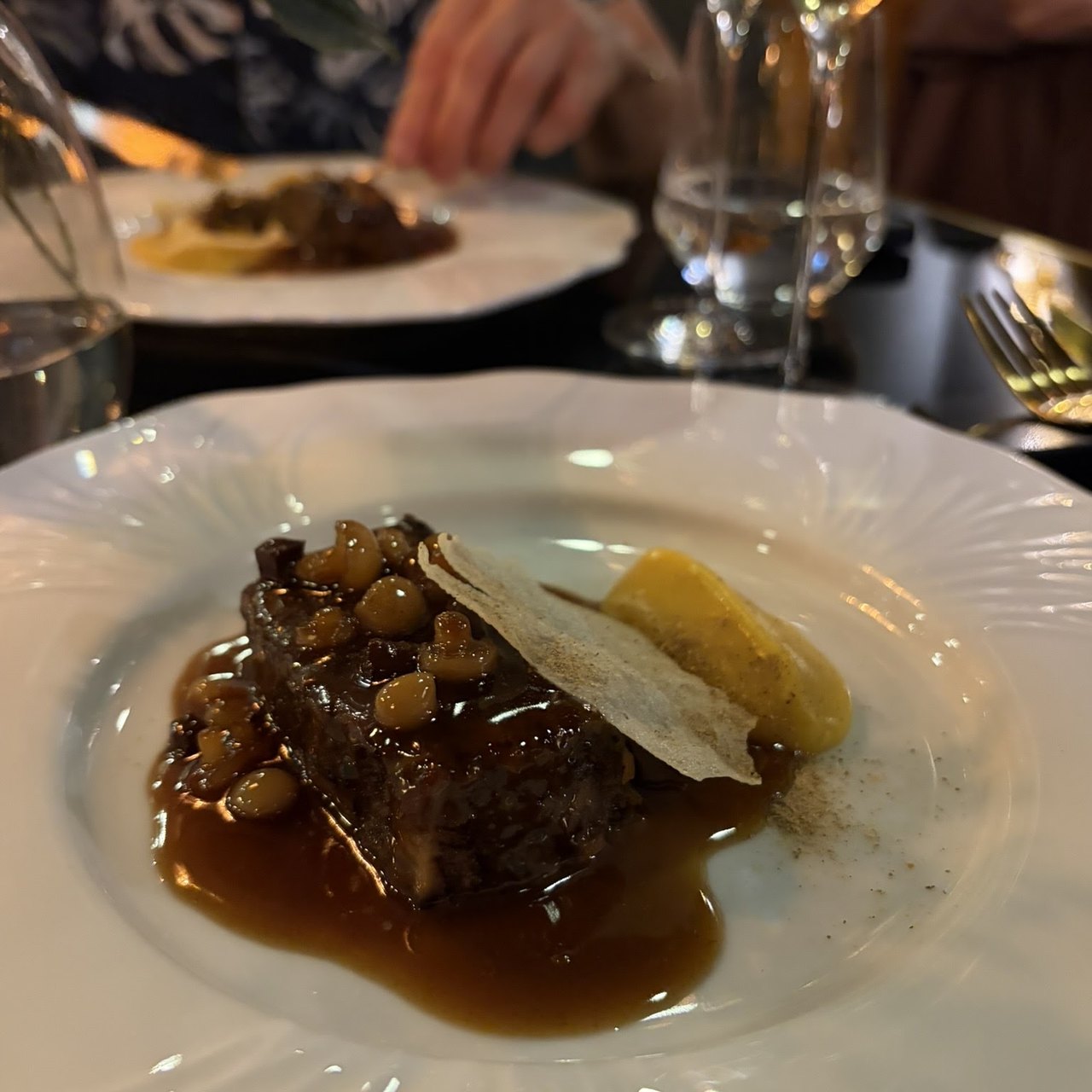
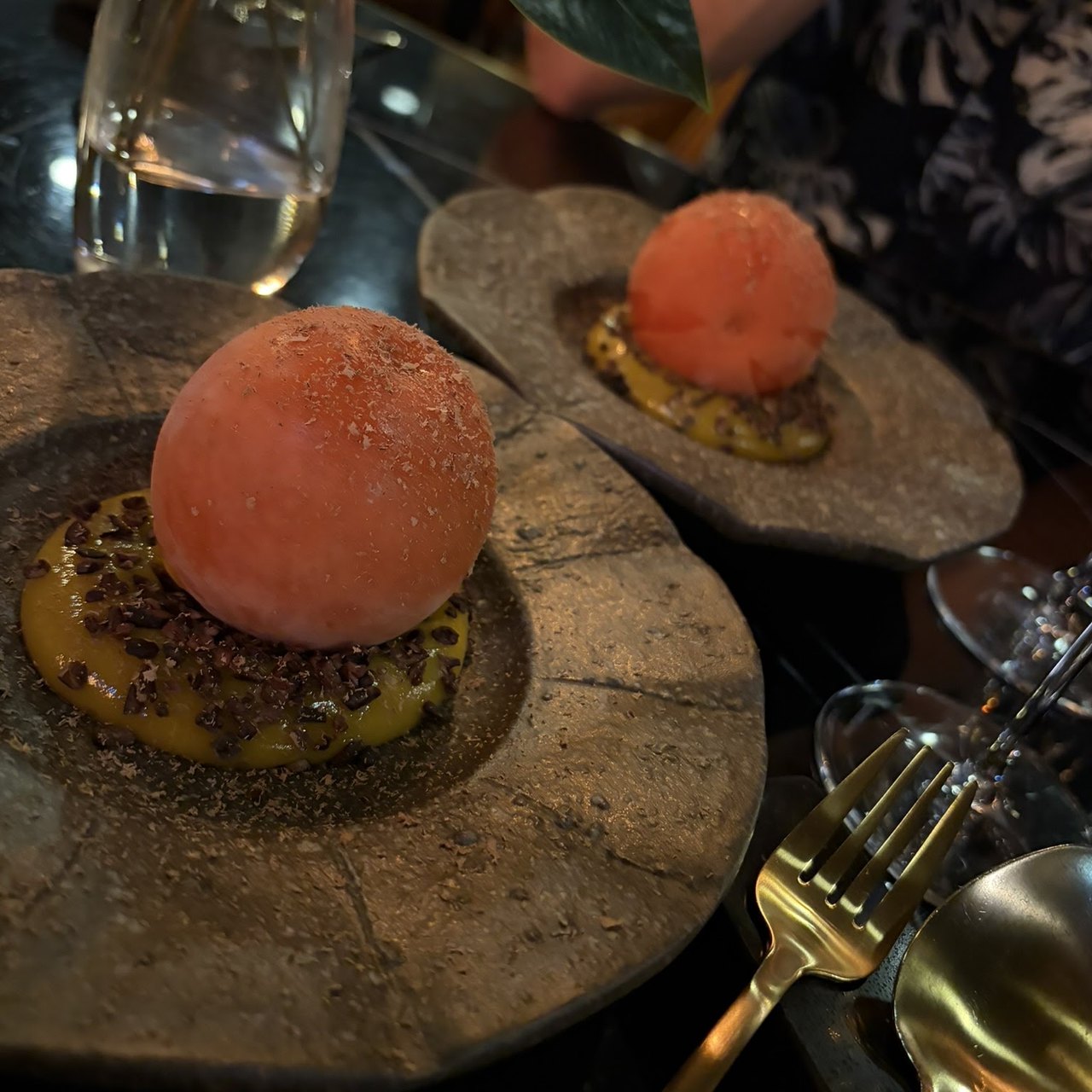
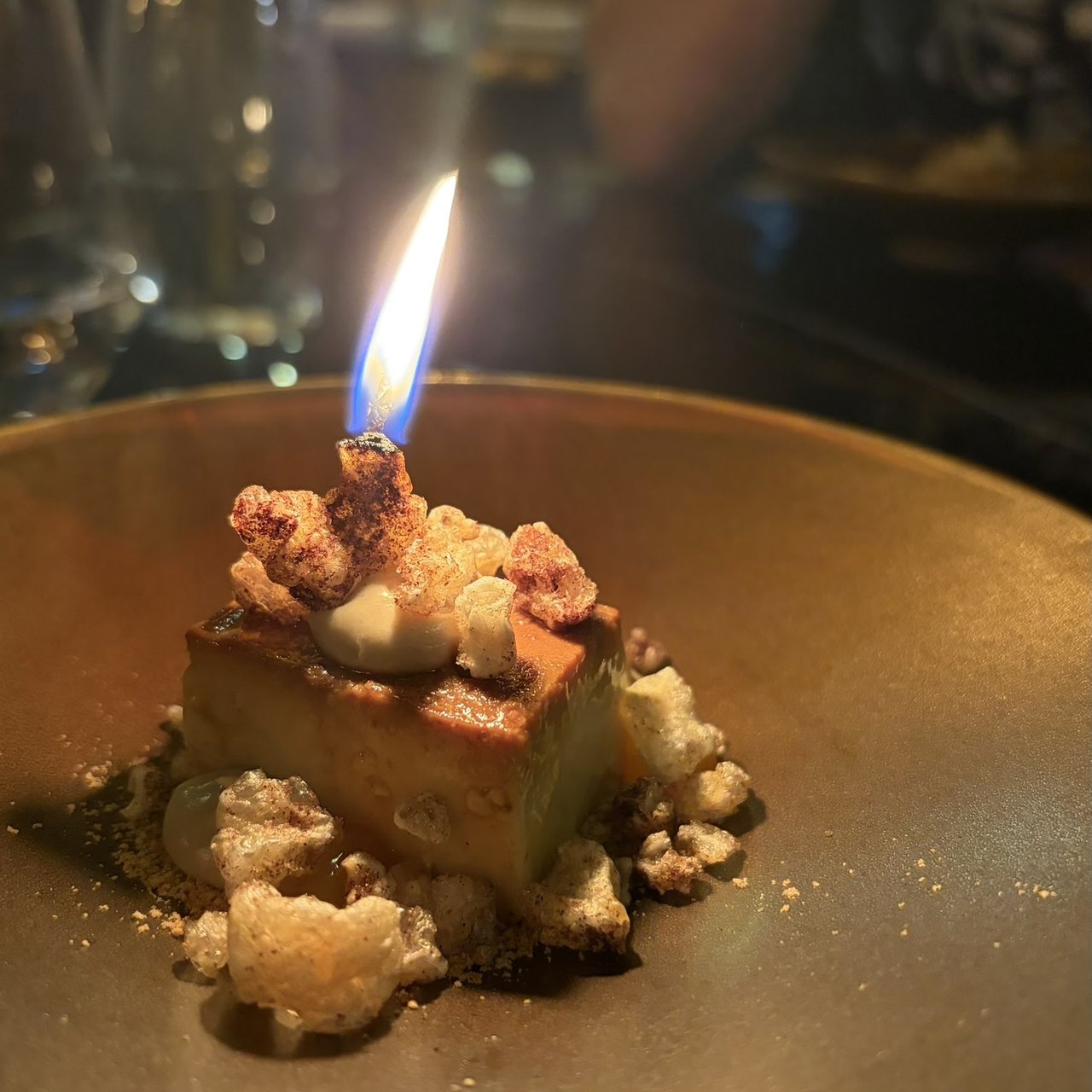
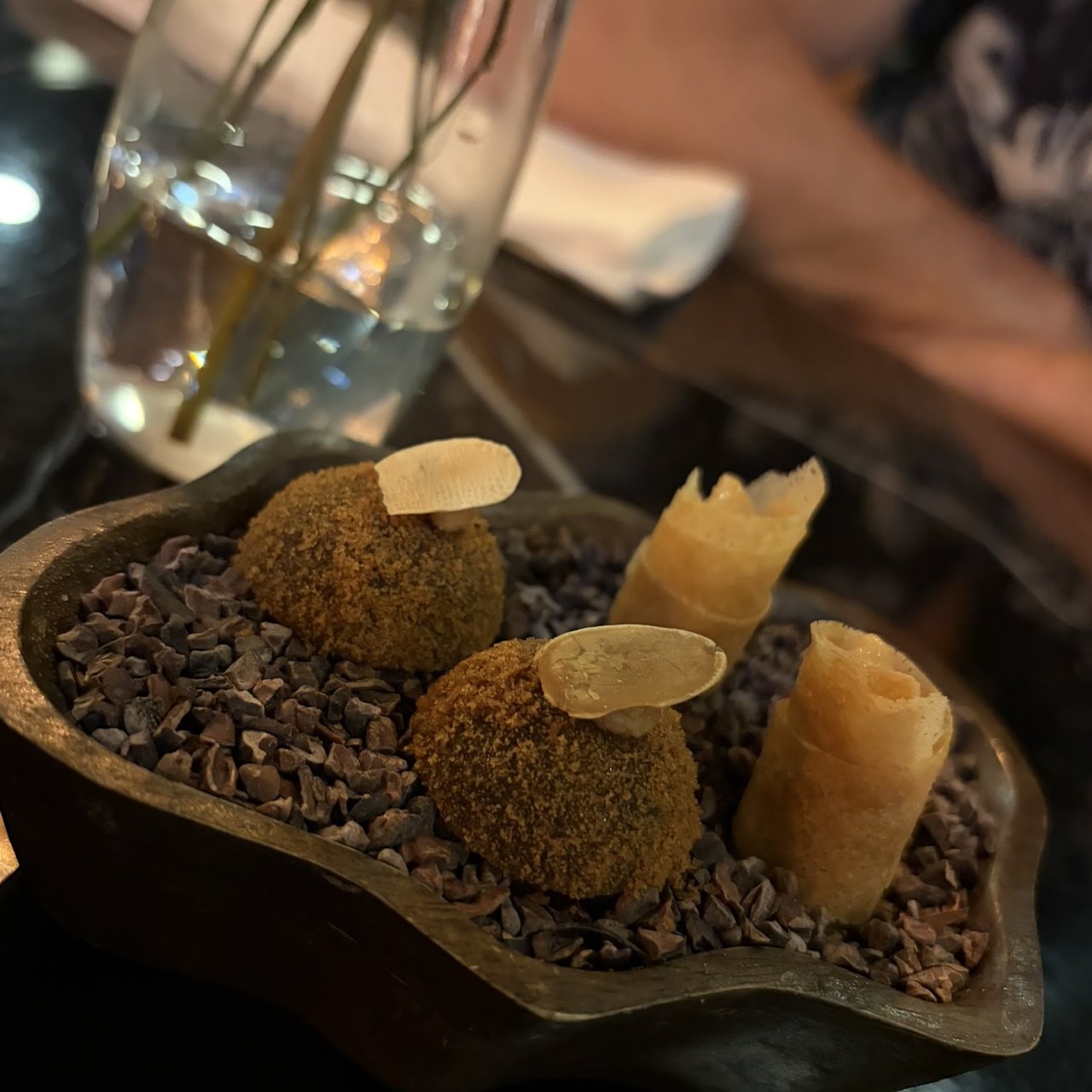
And there was another special reason to celebrate that day — it was my birthday! :) To mark the occasion, we went out for dinner at AUDAX – Progressive Madeiran Cuisine, a restaurant recognized by the Michelin Guide. Everything was delicious, creative, and beautifully presented, and the service was excellent. Here are a few dishes from our menu
Day 5. Mountains, Levadas and Traditional Houses
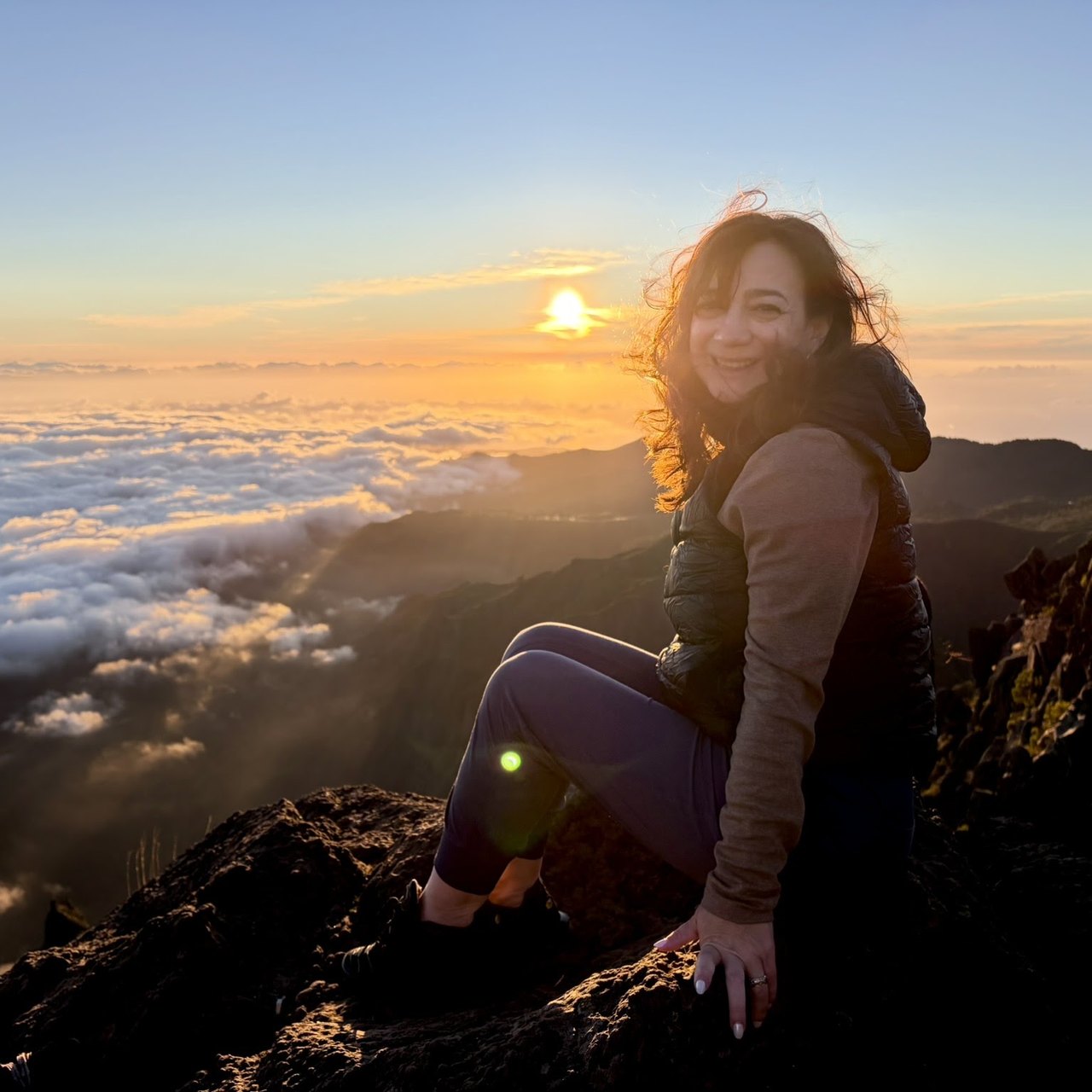
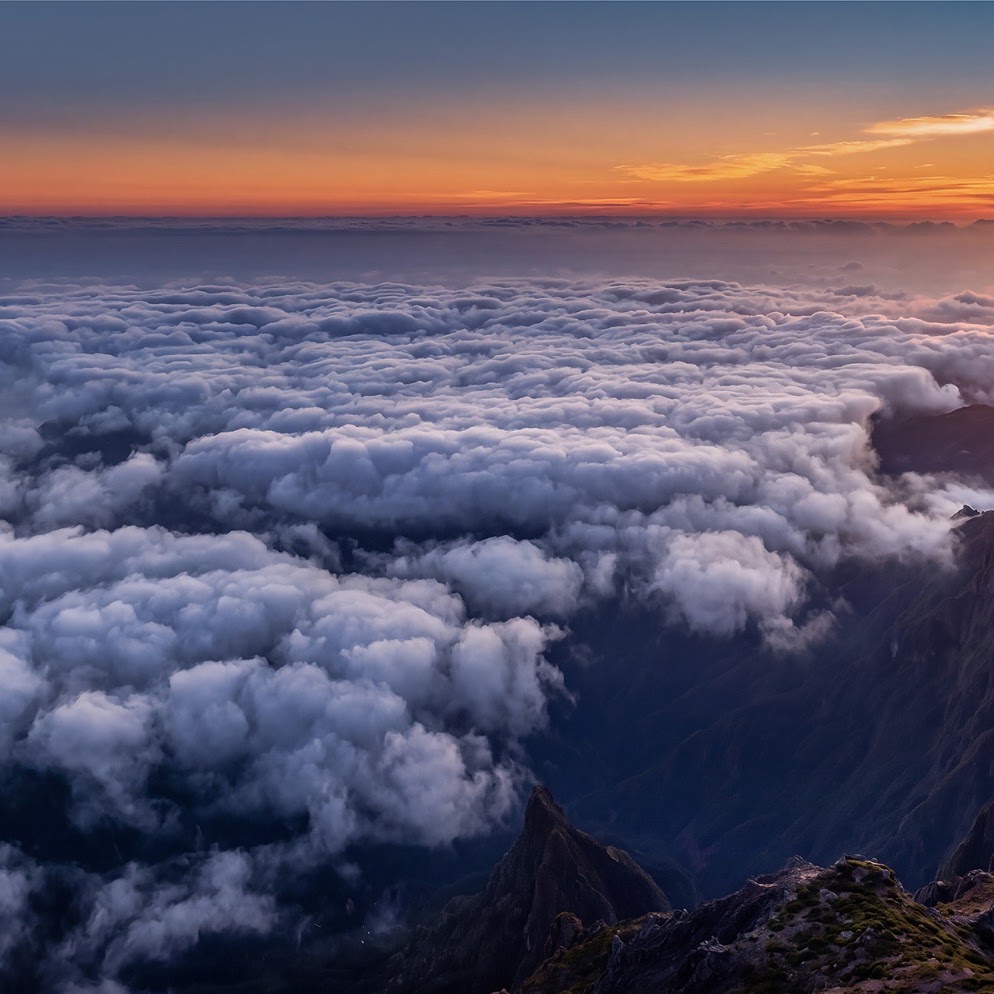
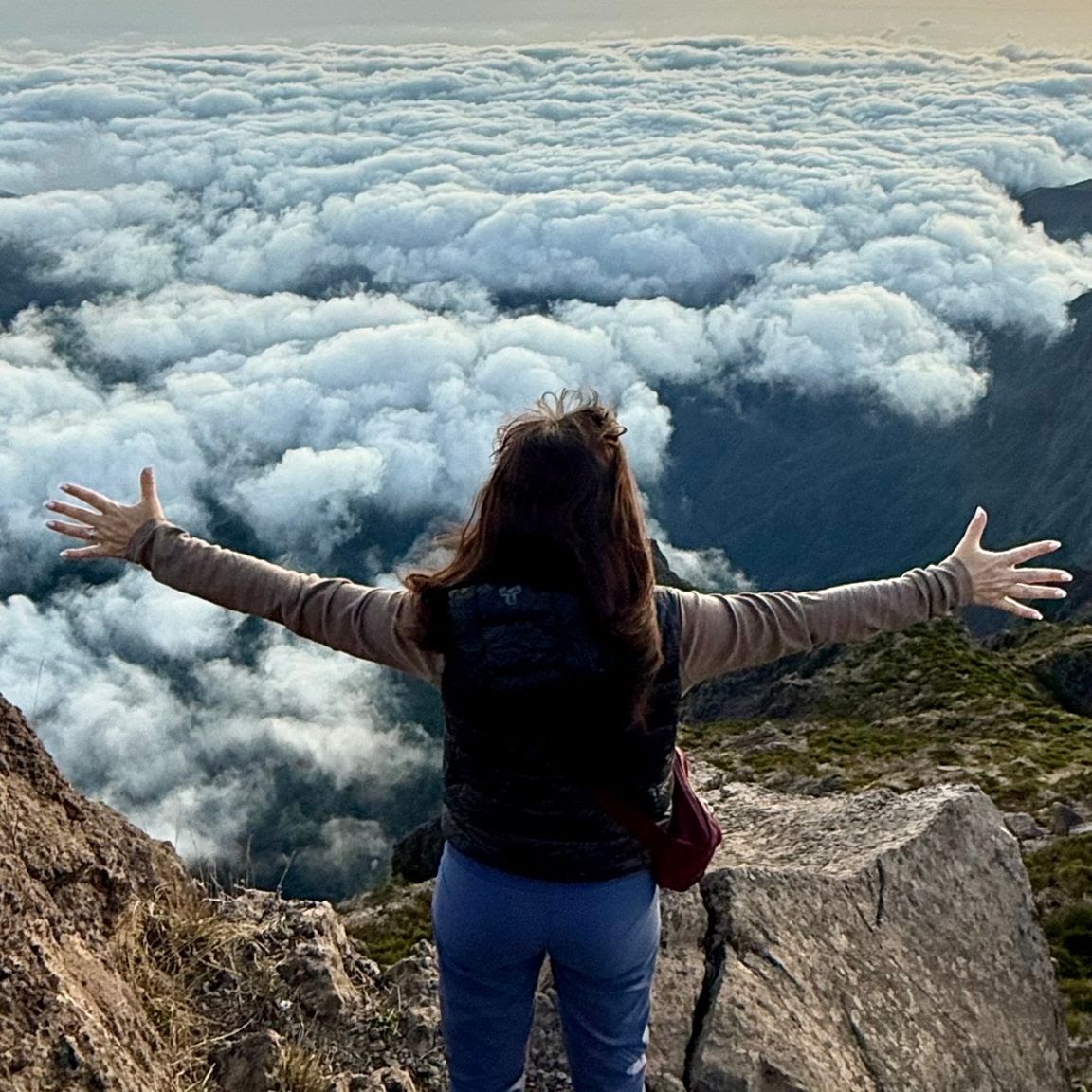
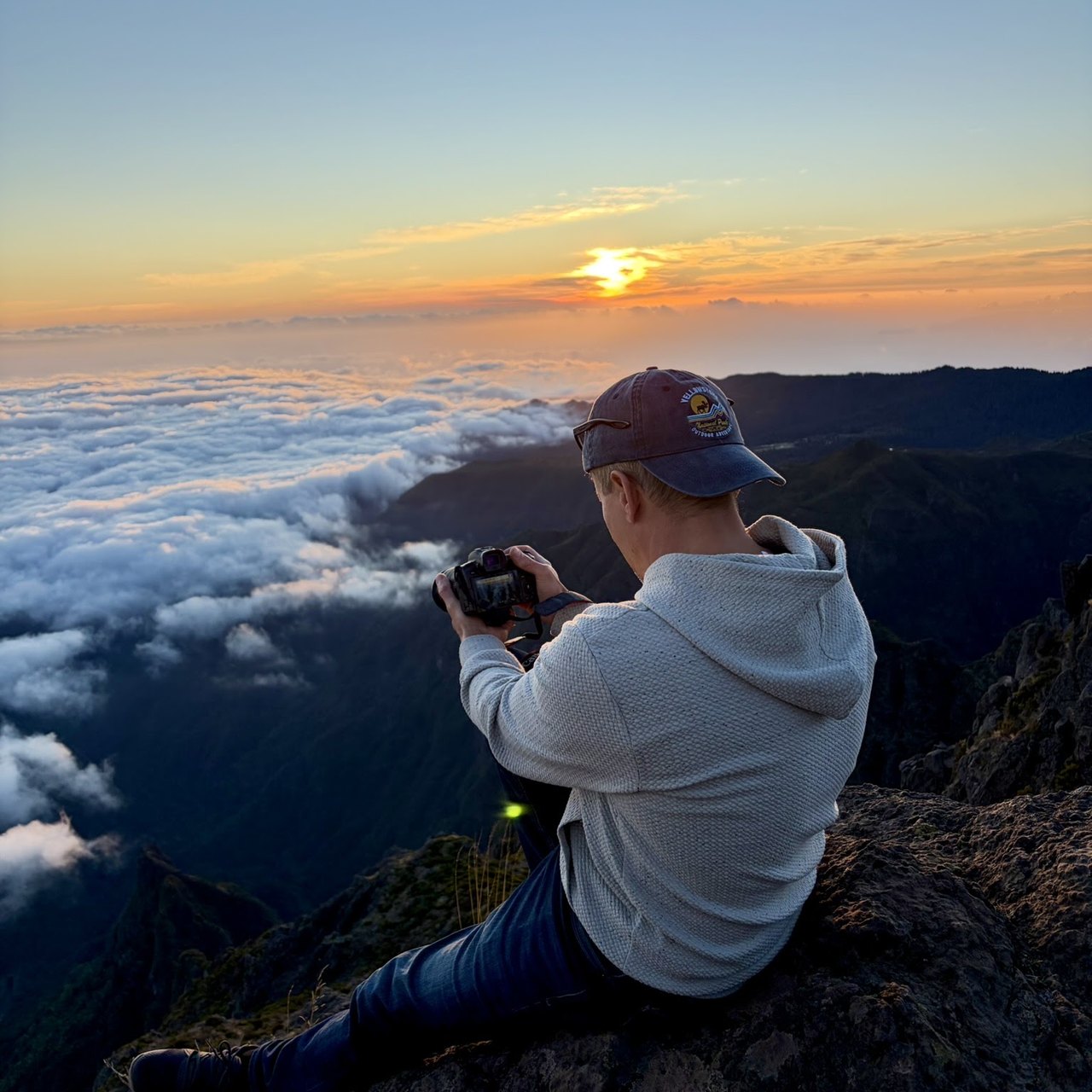
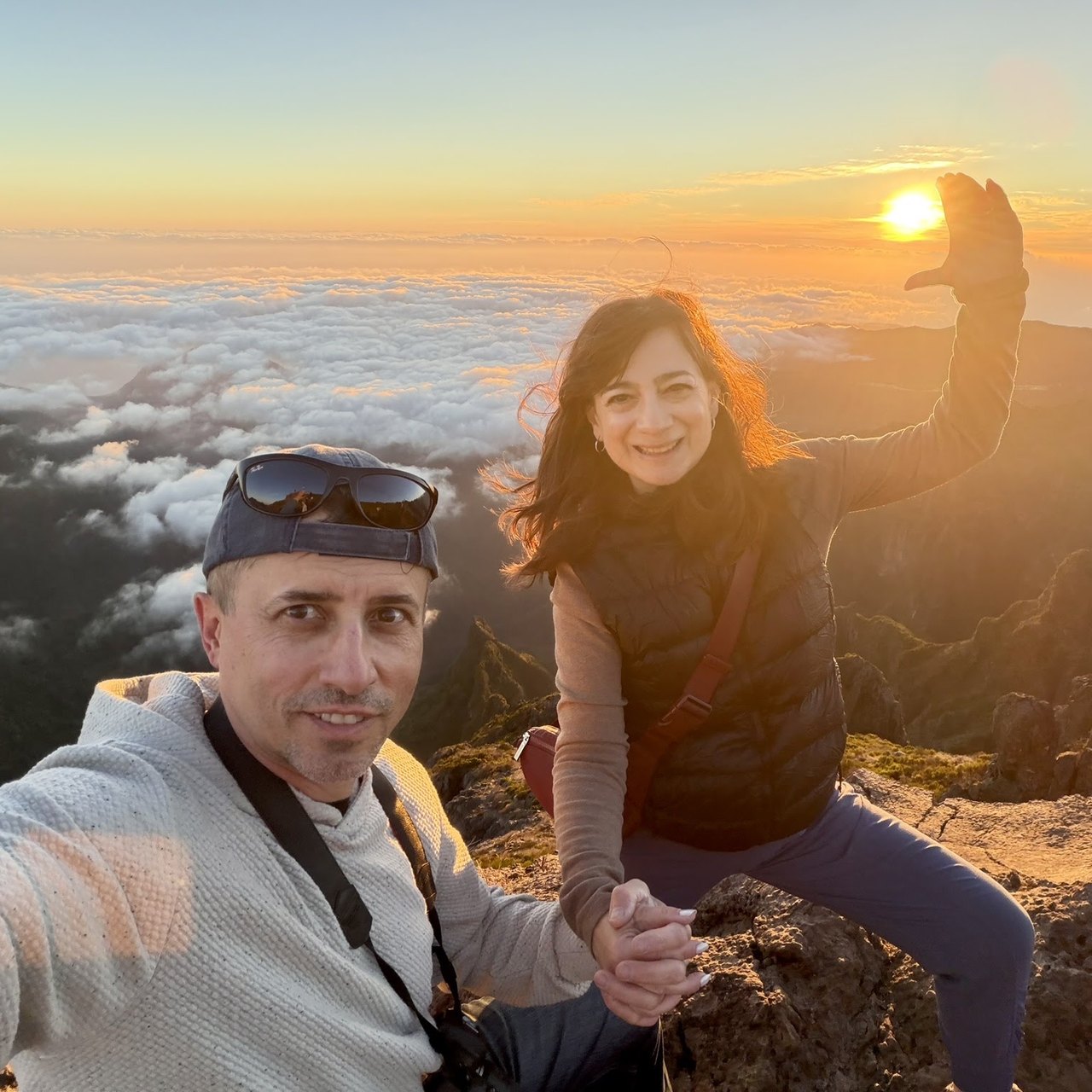
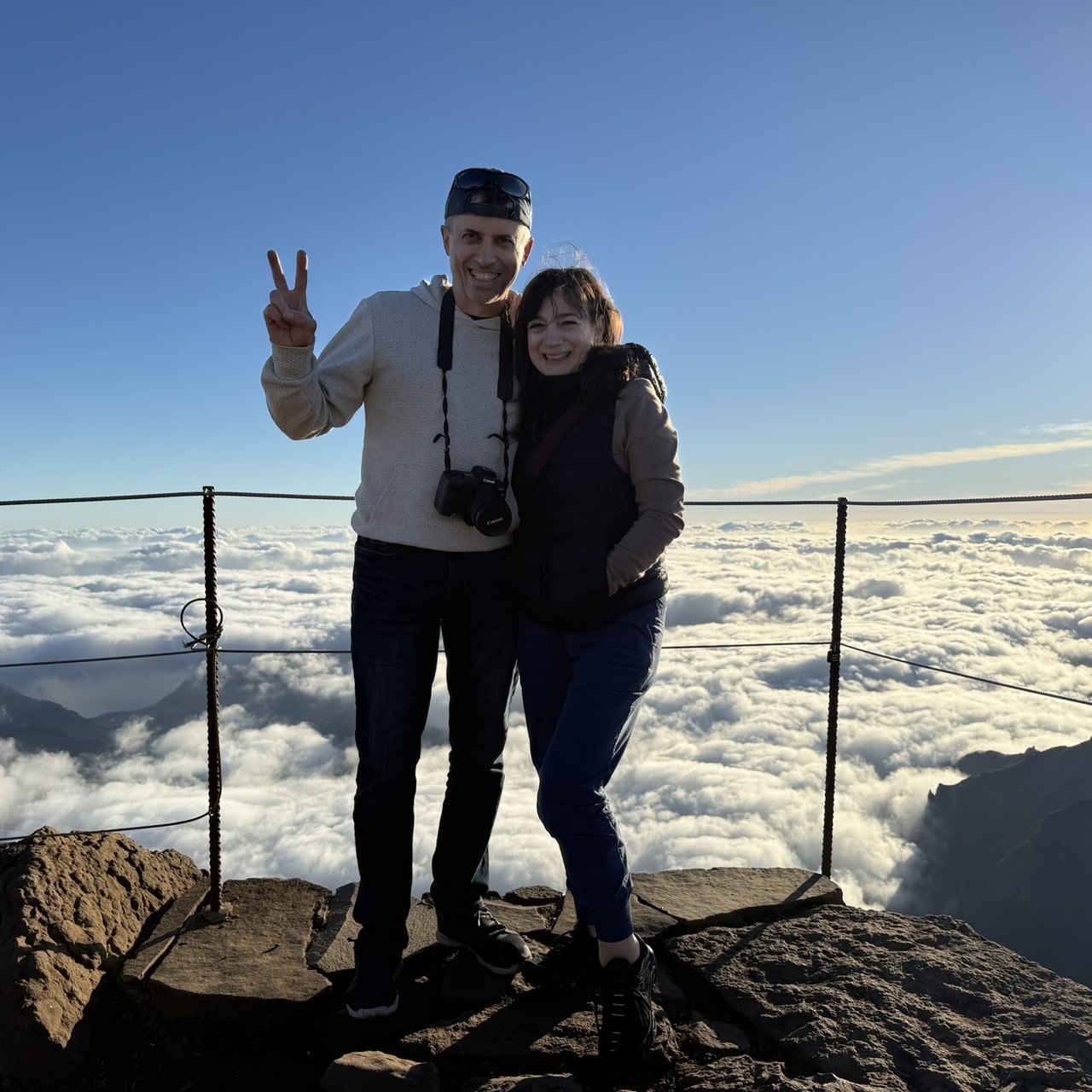
Today we’re heading to one of Madeira’s most famous places — Pico do Arieiro, a mountain peak rising 1,818 meters above sea level. This is where clouds seem to get “trapped” between the mountain peaks. If you arrive at sunrise, you can find yourself standing above an entire “sea” of clouds, watching the sun rise over an absolutely magical landscape. The drive from central Funchal to the parking area near the trail takes about 40 minutes, and sunrise is around 8:30 a.m.
There were a few important things to consider, which I’ll explain below. The most popular viewpoint along the trail is Pedra Rija, about a 1.2 km uphill walk from the starting point. It is part of the Vereda do Areeiro PR1 hiking route. To access this trail, you need to book a ticket in advance through the official website: https://simplifica.madeira.gov.pt/.
The ticket costs just €4.50, but there’s one problem: you can’t predict the weather in advance, and there’s little point in heading into the mountains on a cloudy or rainy day. By the time we finally decided to go, all the tickets were already sold out. It’s best to book at least a couple of weeks ahead.
At that point, there are two options. One is not exactly legal — arriving at the trail before the rangers get there, which is before 8 a.m. Considering the time needed to find parking (the closest parking area is already full by 6:30–7:00 a.m.), pay for parking on-site, and hike uphill to the checkpoint where the rangers arrive at 8 a.m., you would need to get there around 6 a.m. This would also give you enough time to reach the Pedra Rija viewpoint before sunrise.
The second option is the legal one, and that’s the one we chose. Instead of going through the checkpoint, we watched the sunrise from another equally beautiful spot — Miradouro do Juncal. No advance ticket is needed here, but you still have to get up very early! The nearest parking area was already full, so we left the car at a more distant one and had to walk uphill for about 30 minutes in the dark.
We left our accommodation at 6:30 a.m. and, after a rather exhausting climb up the steep path, just barely made it to the viewpoint in time for sunrise. But we made it! And it was absolutely breathtaking!
We continue our journey and, about 20 minutes later, arrive at Ribeiro Frio, an ancient laurel forest. To access the walking trail, you need to purchase a ticket through the official website: https://simplifica.madeira.gov.pt/ (€4.50). Tickets can also be purchased right there on-site. The forest welcomes us with cool, damp air and a light mist, creating a wonderfully atmospheric setting.
We take a walk along the famous levadas — Madeira’s unique system of irrigation channels. For centuries, these channels have carried water from the island’s wetter northern and mountainous regions to the drier southern areas, providing irrigation for fields and gardens. Today, scenic walking trails run alongside many of these channels, allowing visitors to enjoy the island’s remarkable natural beauty
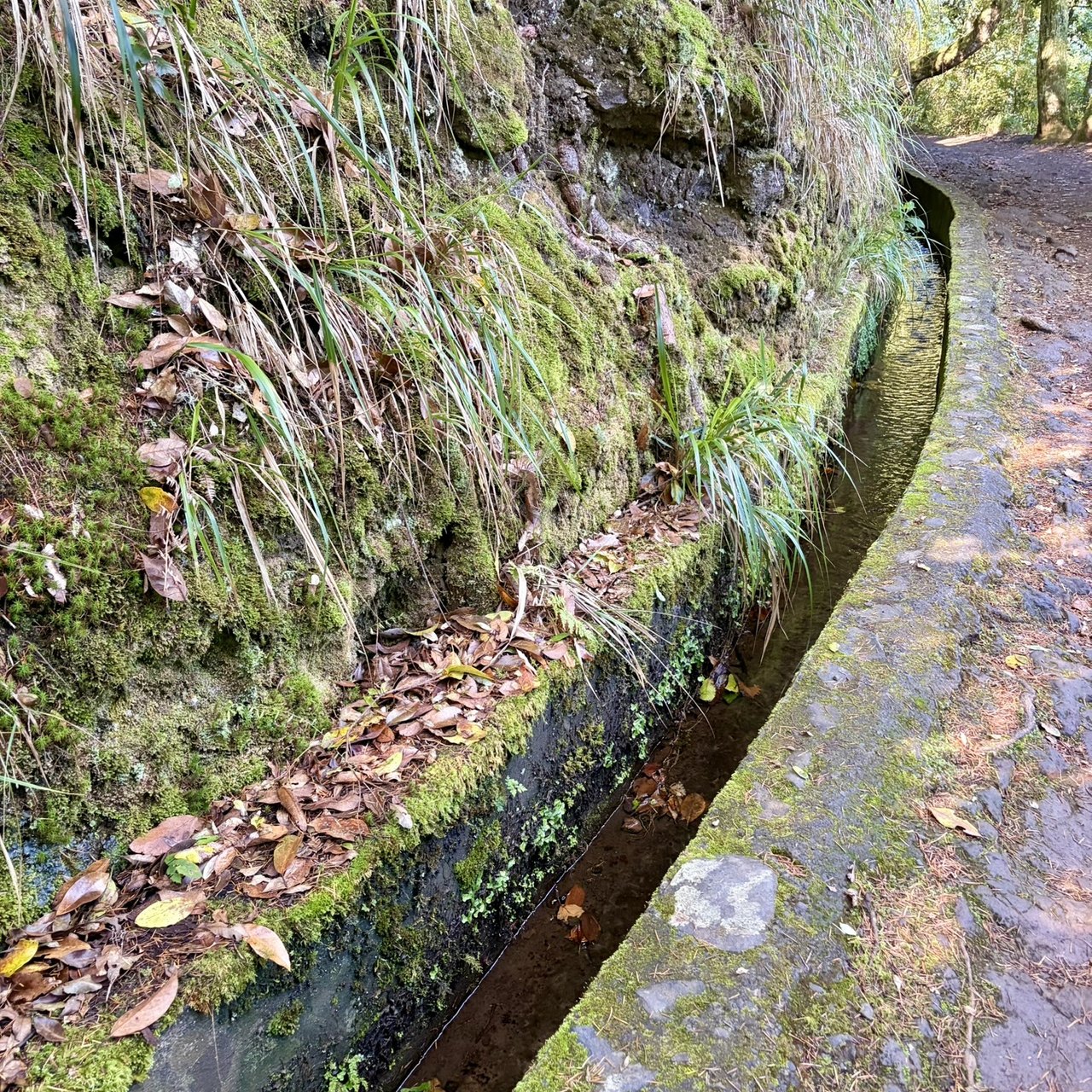
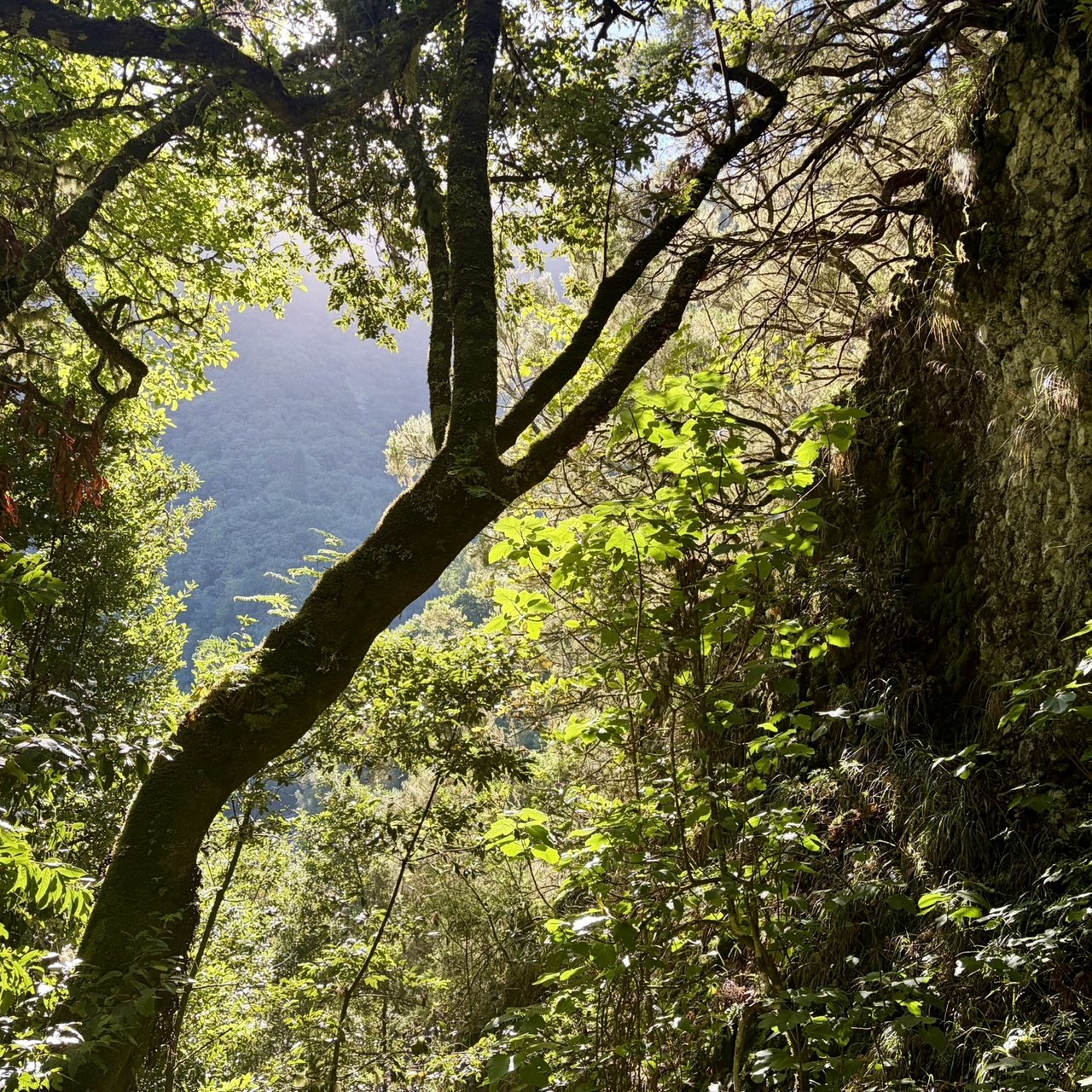
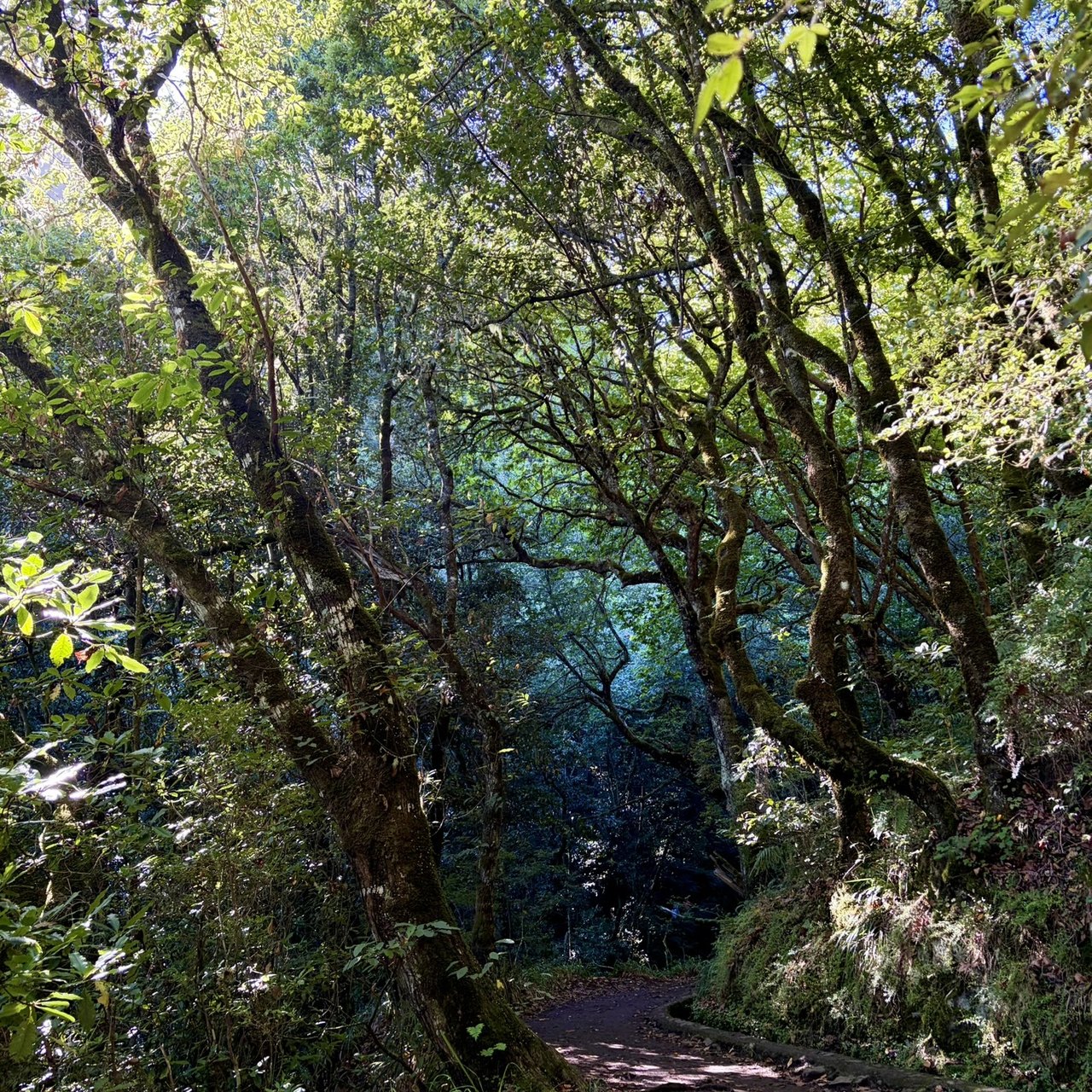
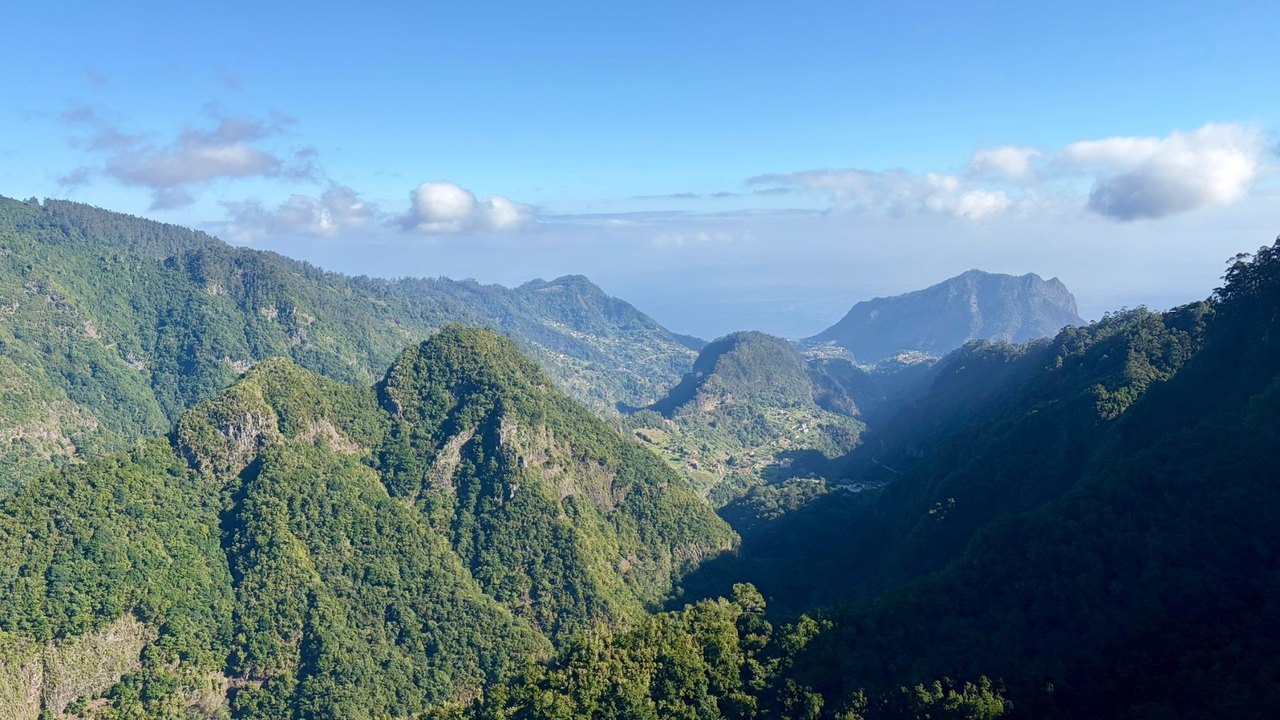
After walking approximately 1.5 km, we reach the beautiful Vereda dos Balcões viewpoint. On a clear day, it offers breathtaking views of Madeira’s mountain peaks, including Pico do Arieiro and Pico Ruivo.
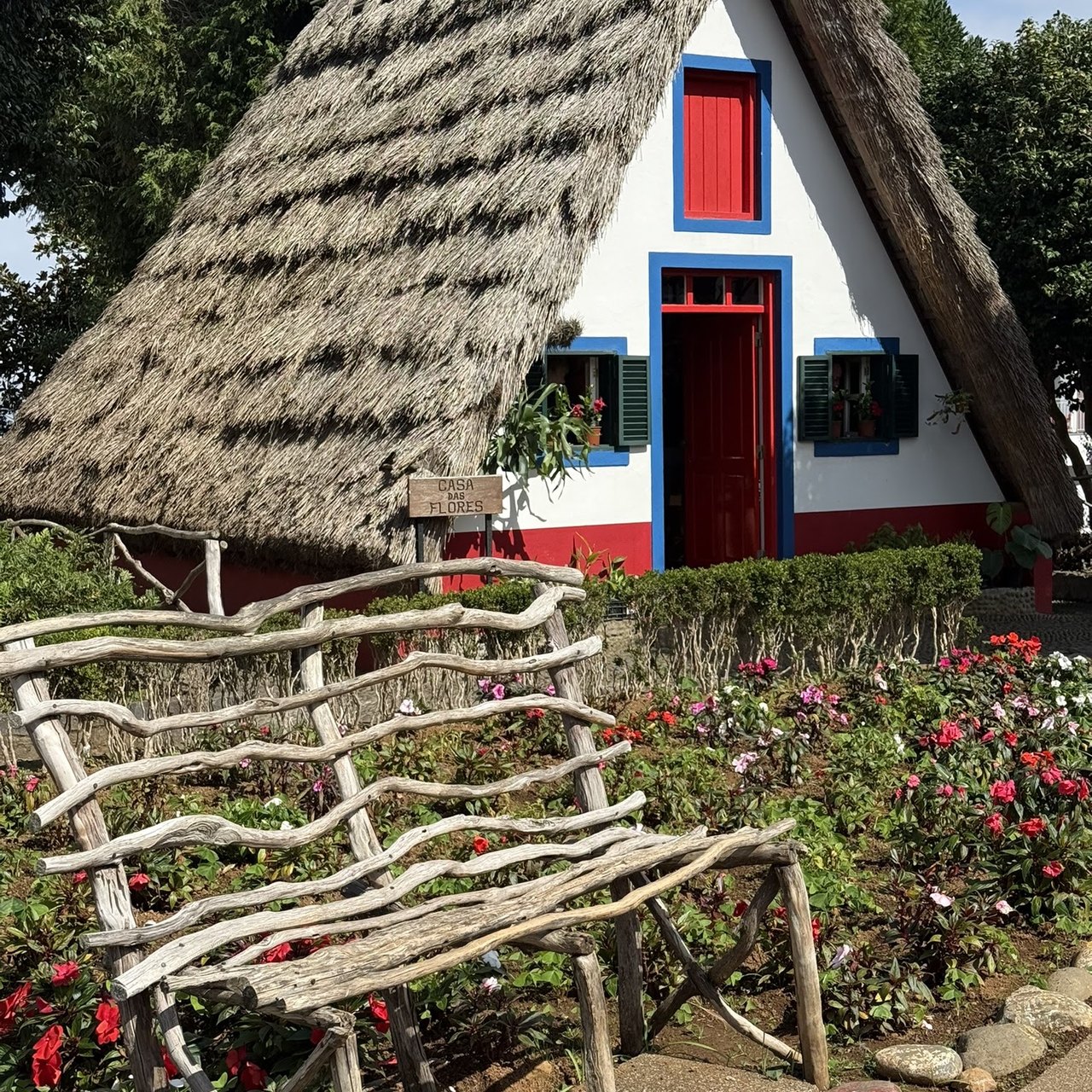
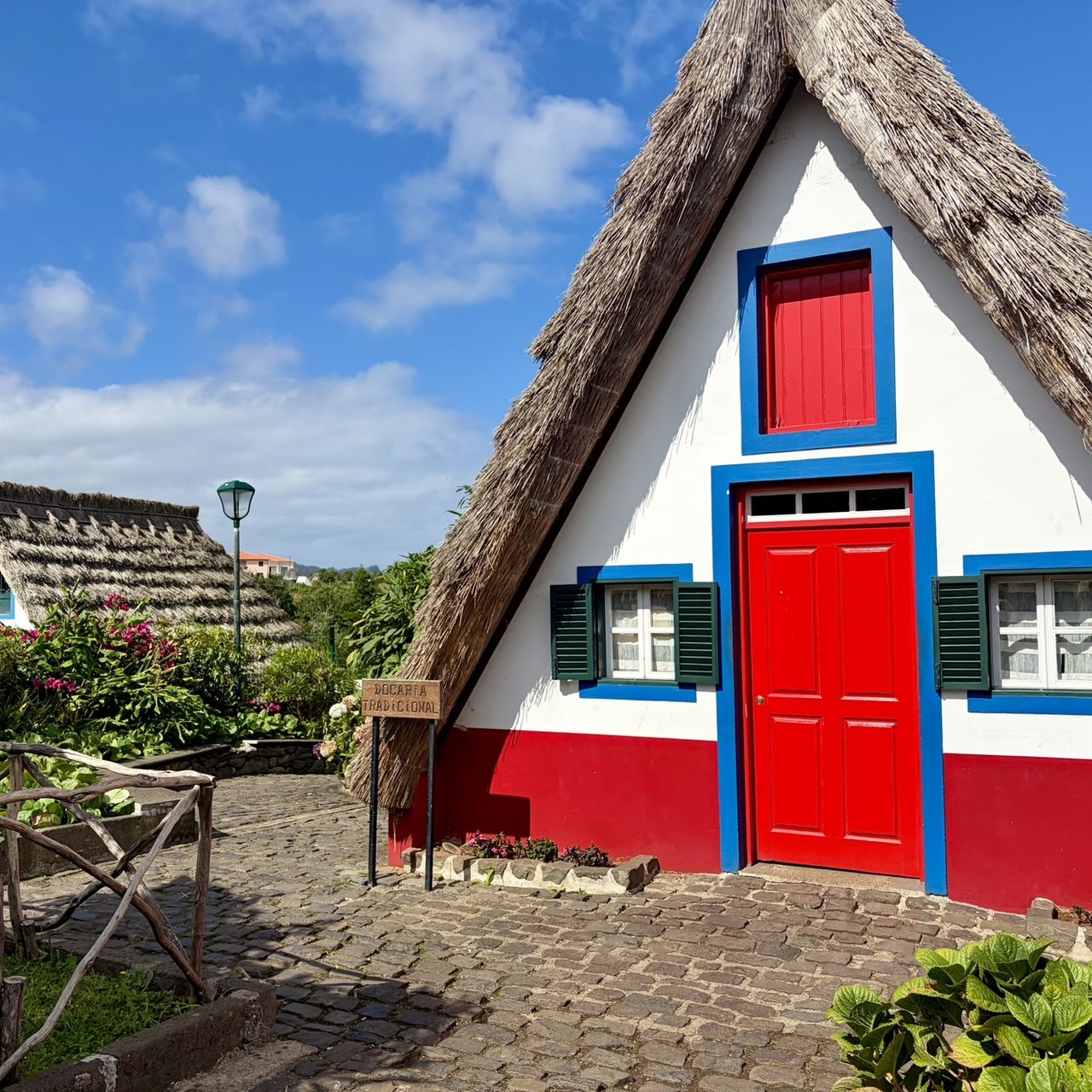
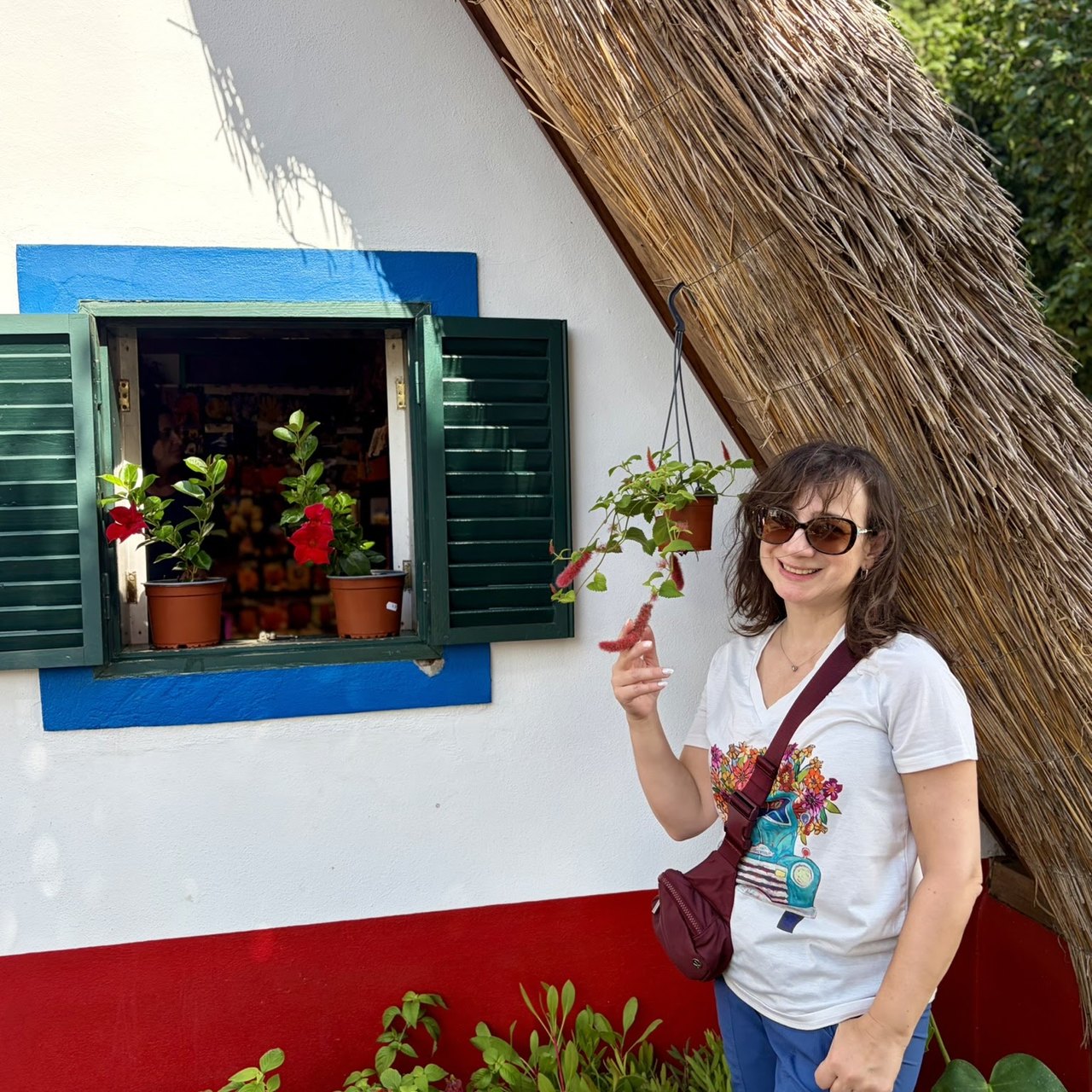
We return to the car and, about 30 minutes later, arrive in Santana (Casas Típicas de Santana), a small picturesque village on Madeira’s northern coast, famous for its unusual traditional houses. These little triangular cottages with brightly painted facades and thatched roofs have become one of the island’s most iconic symbols. In the past, local farmers lived in houses like these, but today several have been carefully preserved and turned into a popular attraction. With their colourful red, white, and blue facades, tiny windows, and flowers all around, they look like something straight out of a fairy tale.
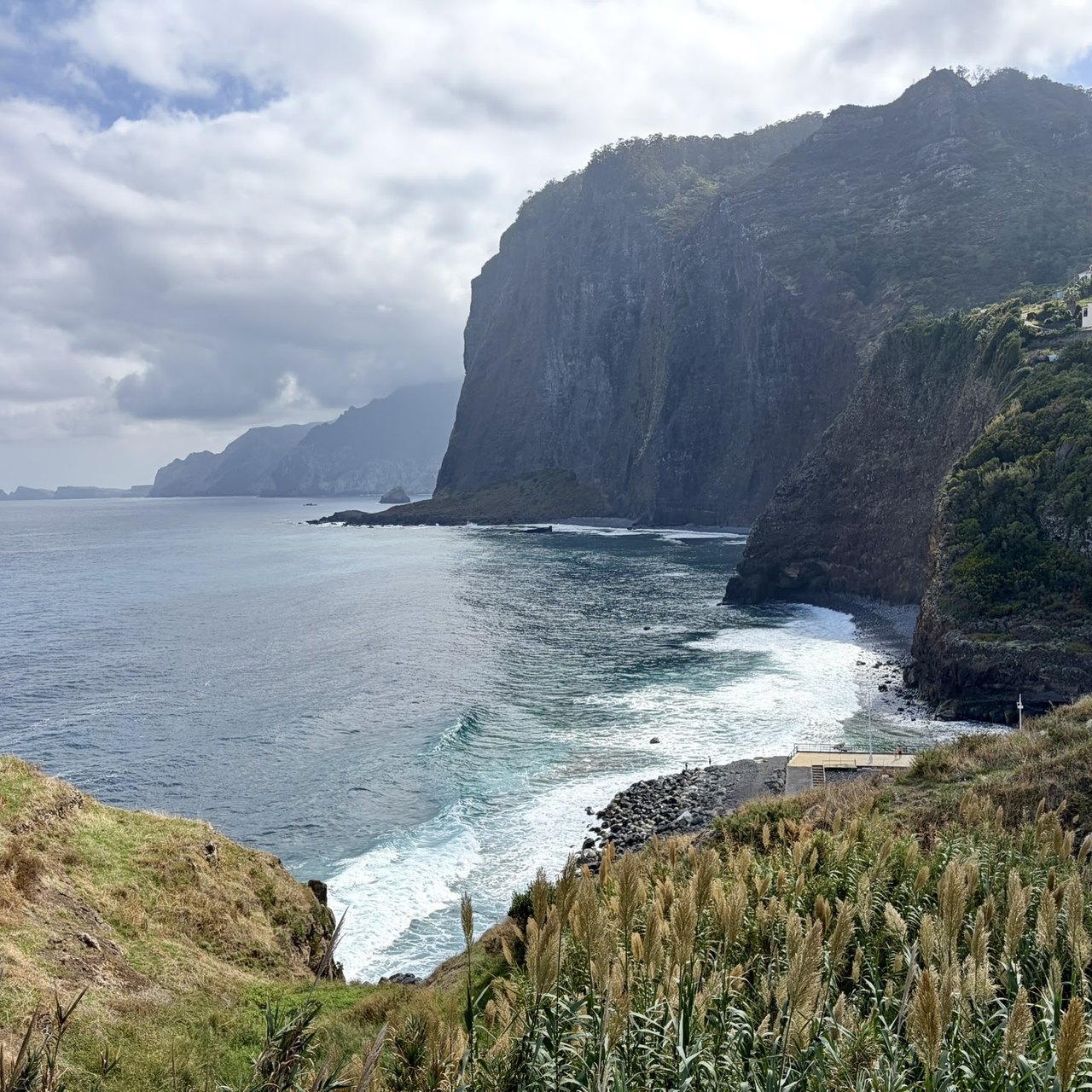
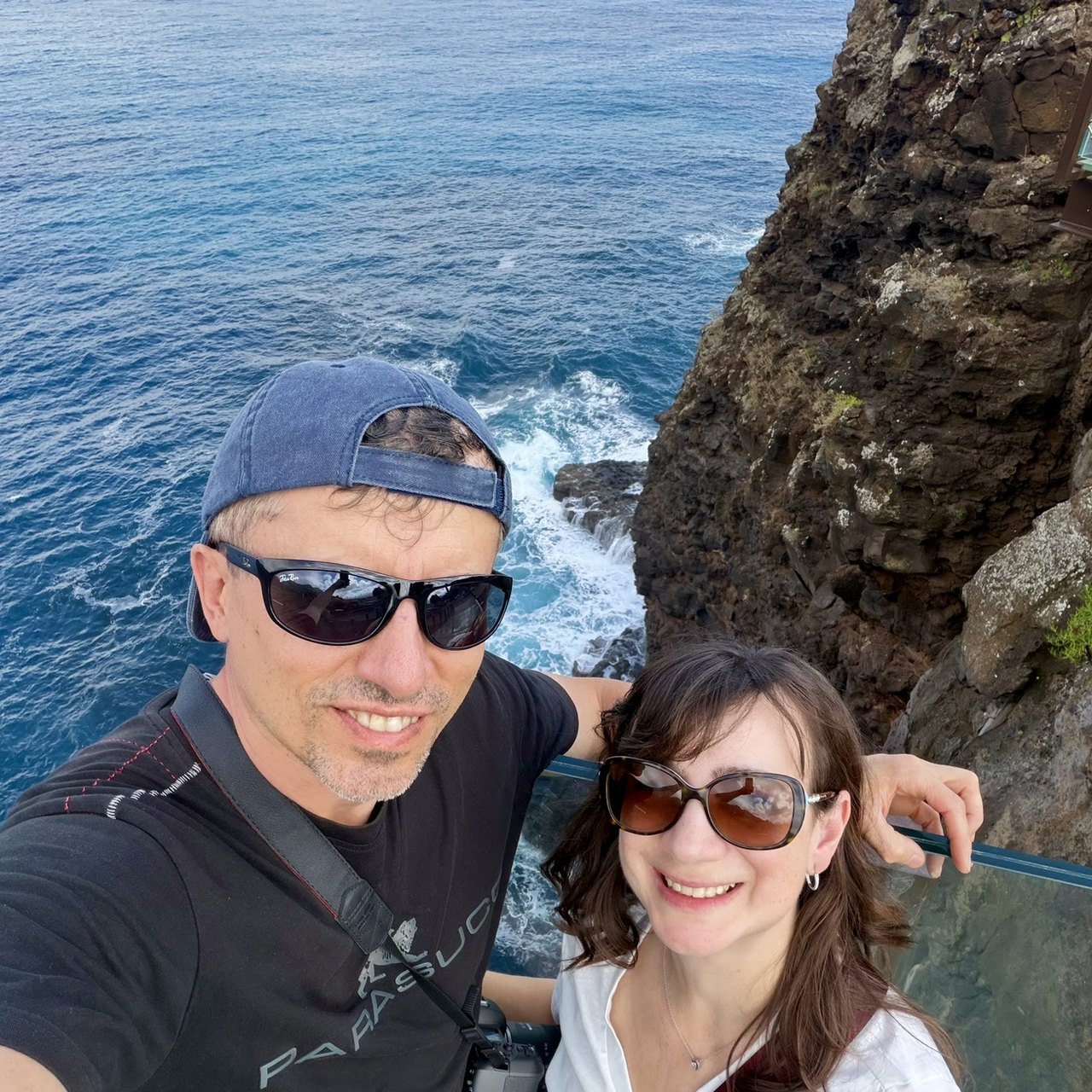
It’s been a while since we last admired the ocean! :) And it’s only about a 10-minute drive away. Well, more precisely, to a beautiful viewpoint called Miradouro do Guindaste (Faial / Guindaste Viewpoint), located on Madeira’s northern coast.
From here, we’re treated to breathtaking views of the vast Atlantic Ocean, towering rocky cliffs, and powerful waves crashing against the coastline
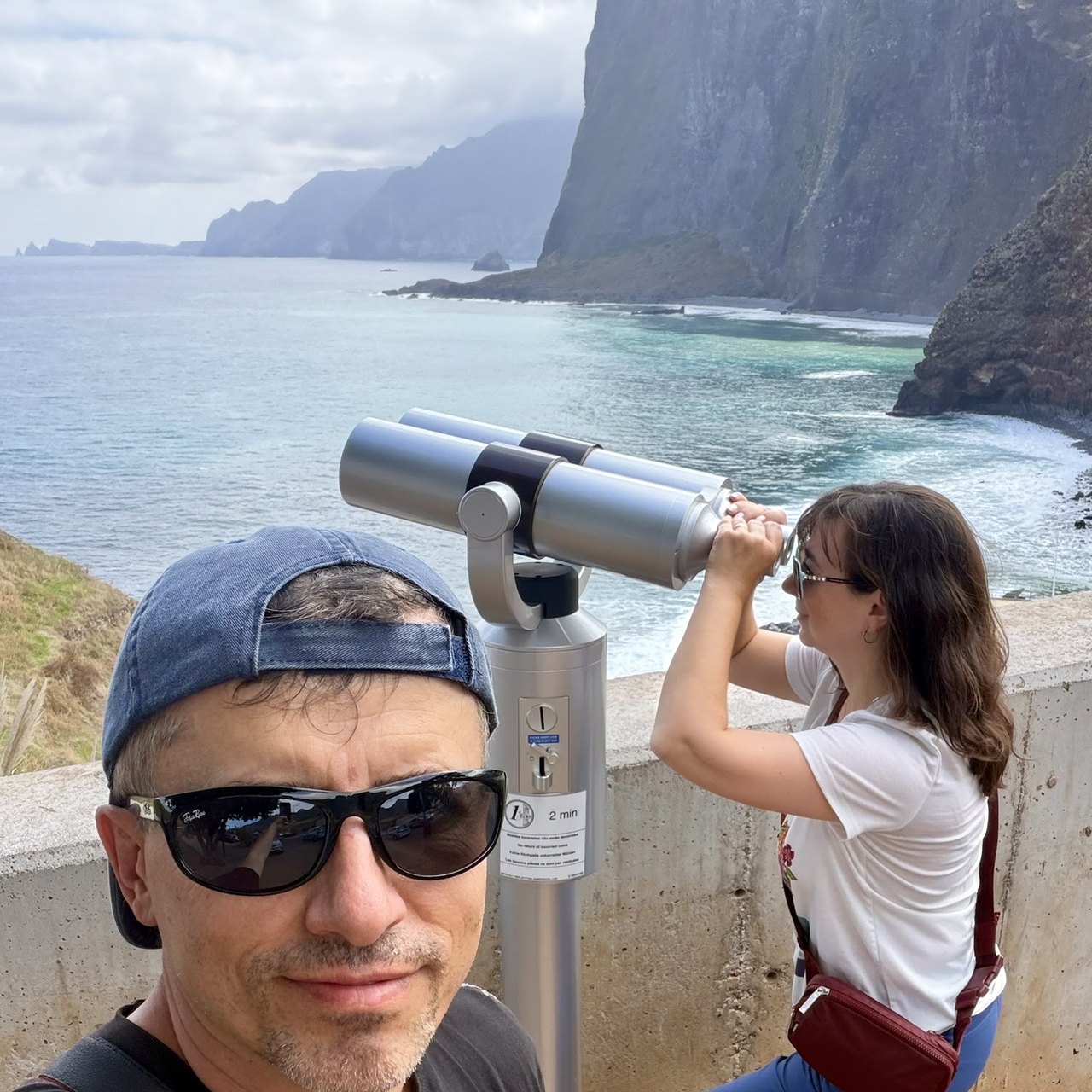
We head back to the hotel (the drive takes about 30 minutes) to relax and unwind after such a wonderful and eventful day full of new experiences
In the evening, we head out for dinner in the traditional fishing village of Câmara de Lobos, just a 15-minute drive from Funchal. This charming little village is known for its picturesque harbour, filled with colourful fishing boats, cozy restaurants, and narrow streets. It was a favourite spot of Winston Churchill, who visited in the 1950s and even painted several pictures of the local harbour
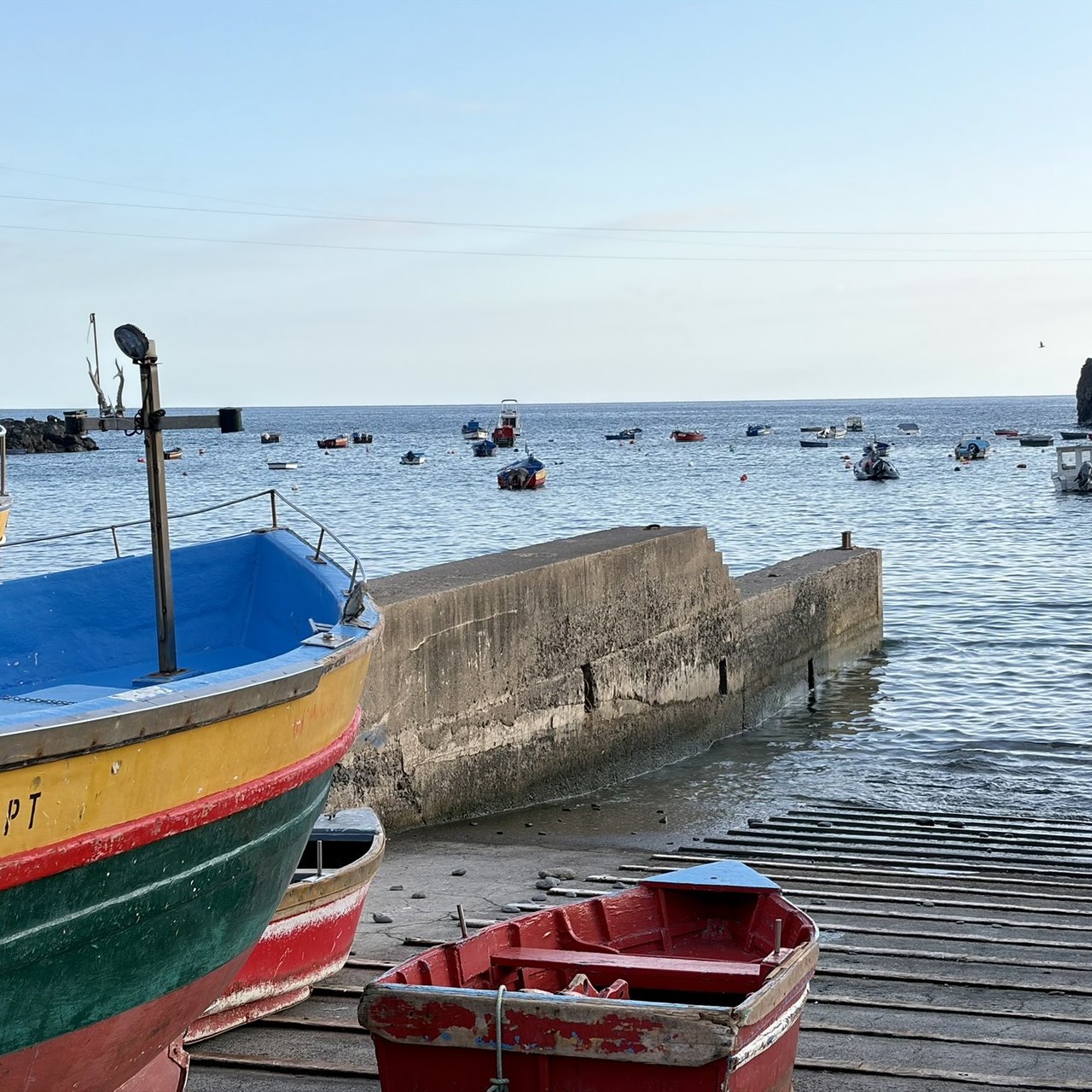
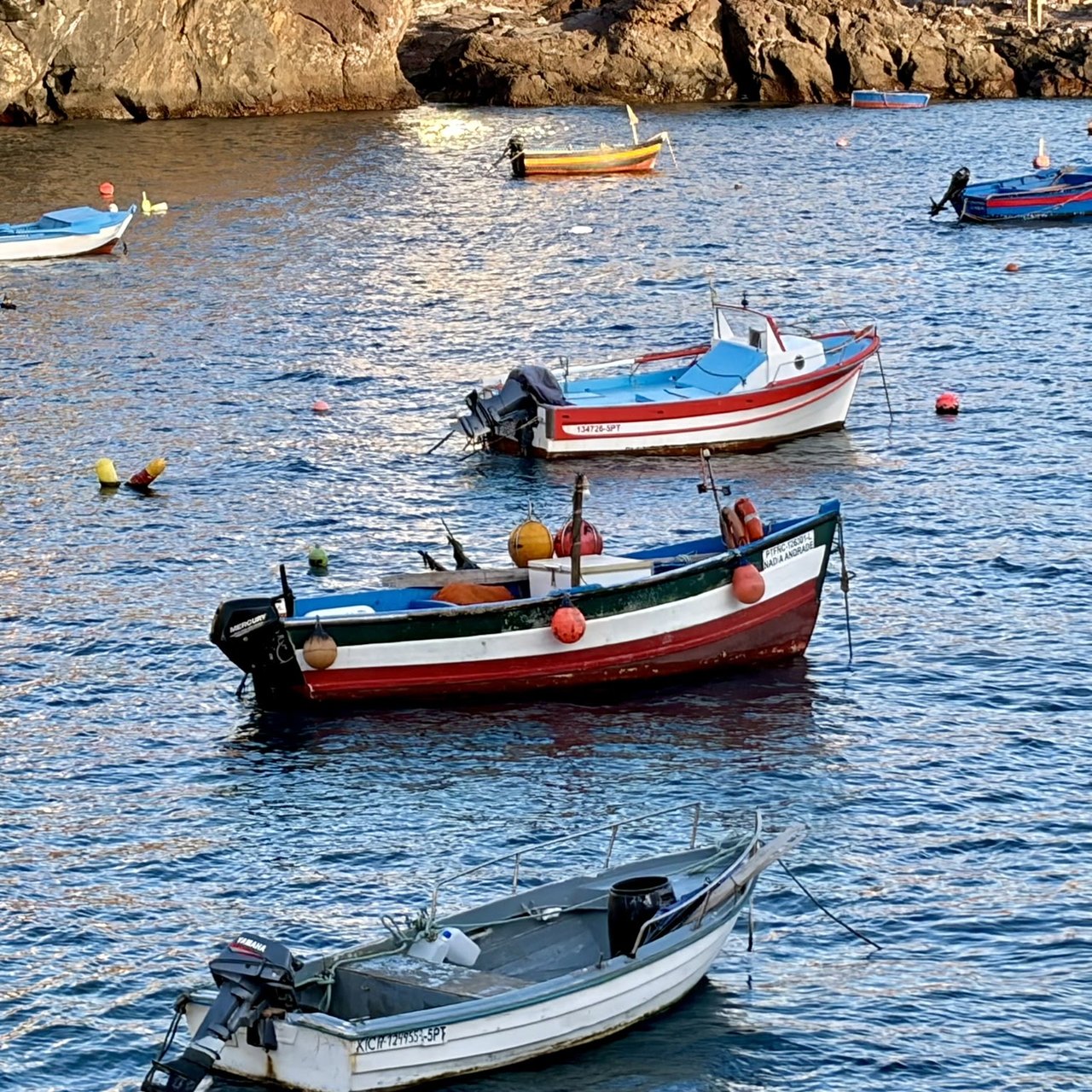
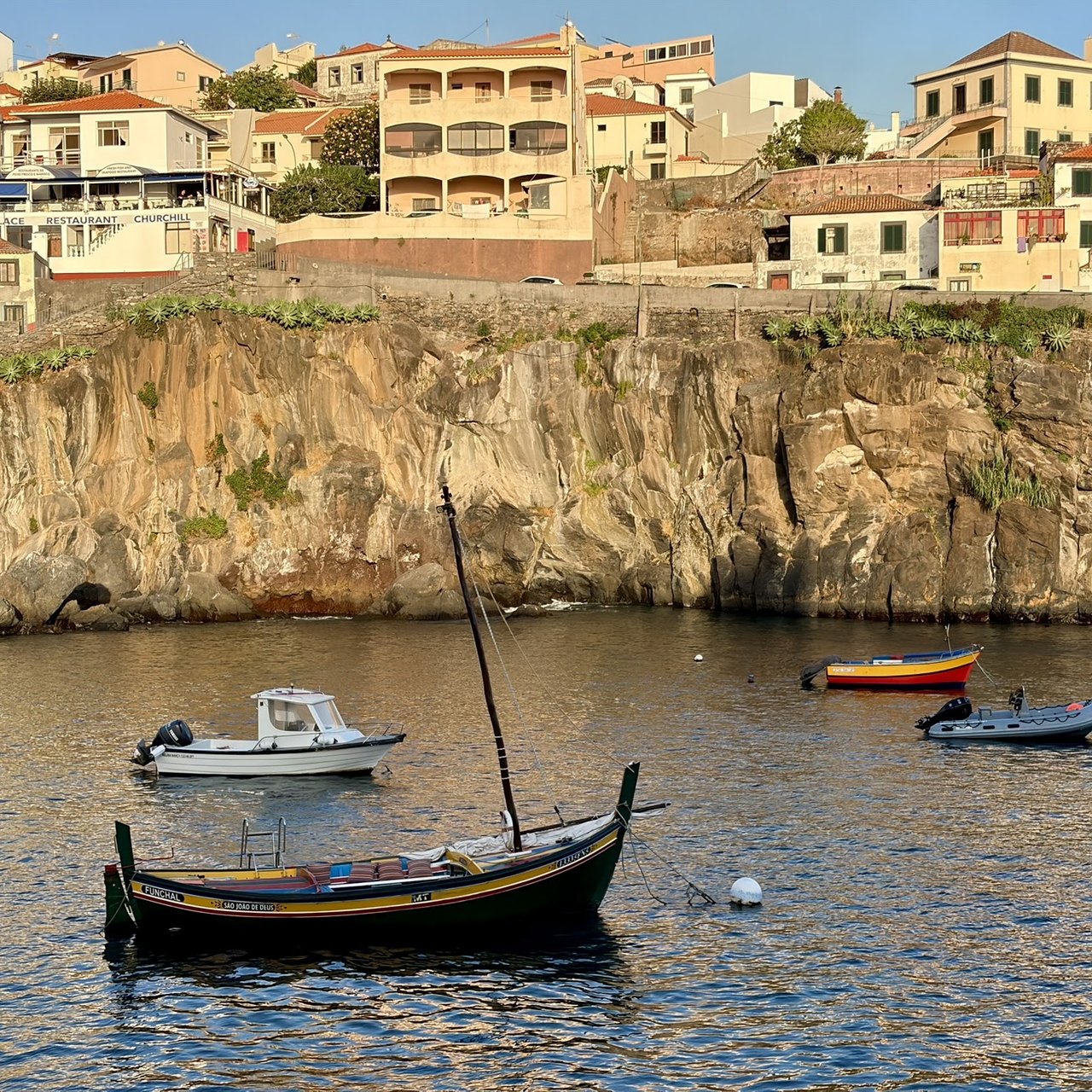
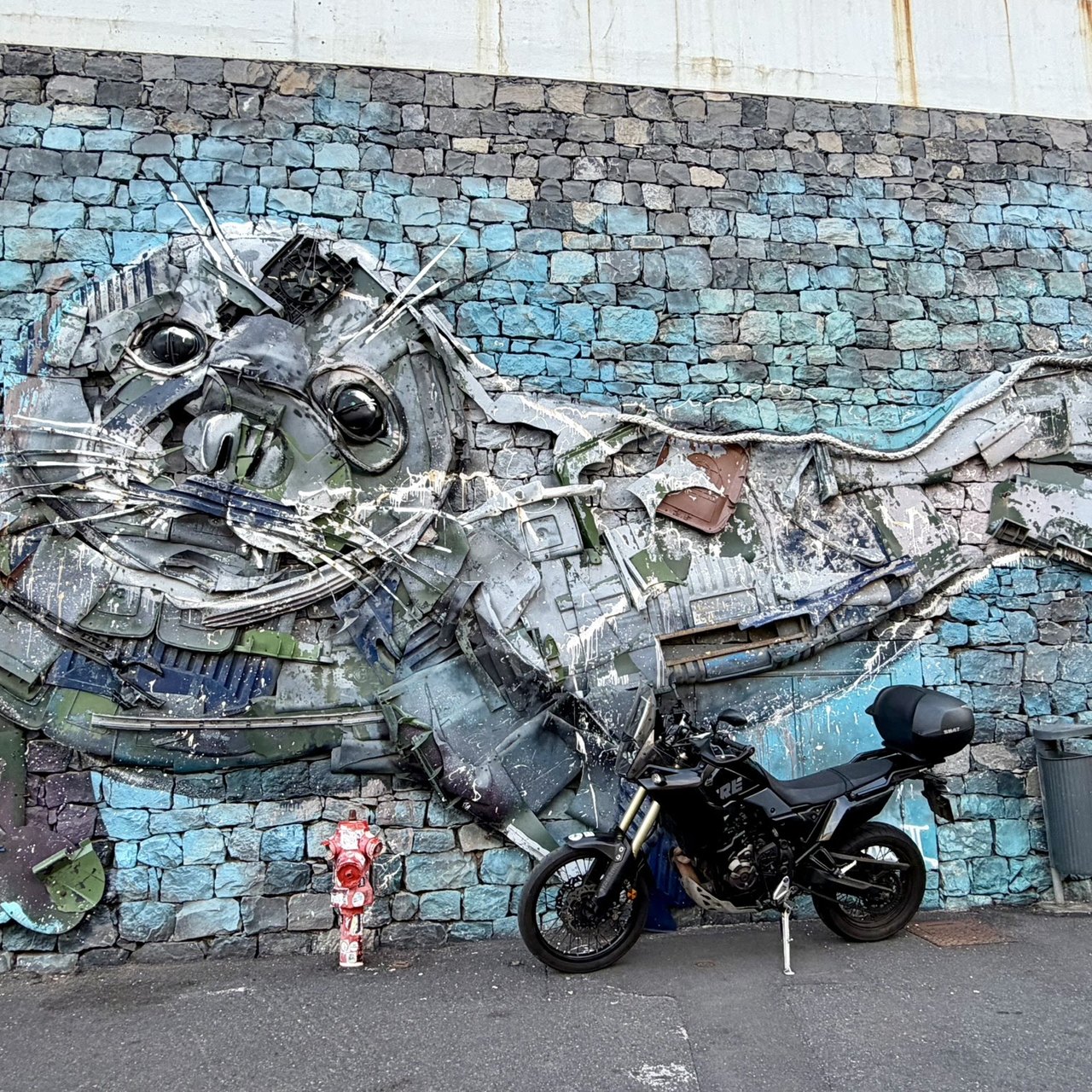
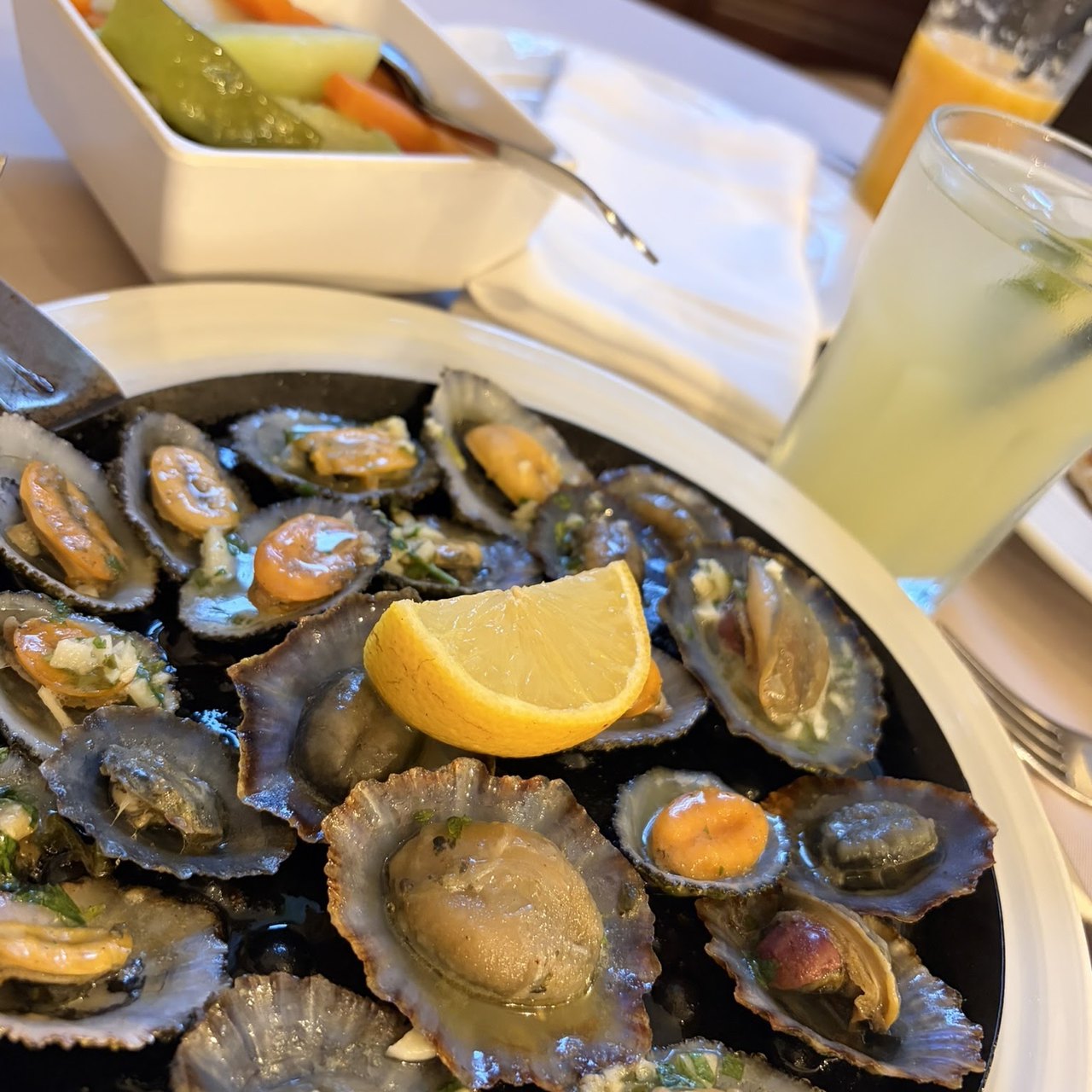
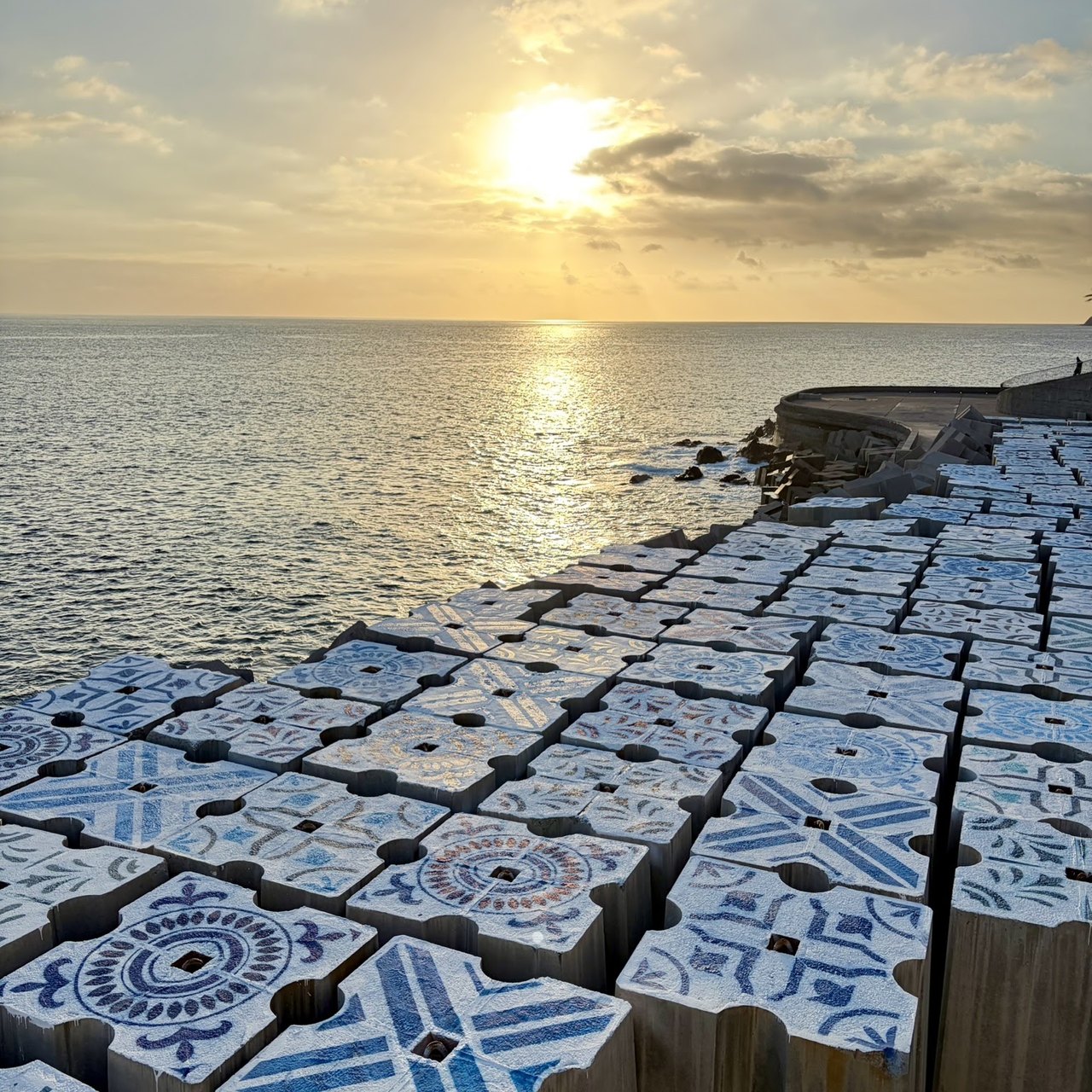
We find the famous mural featuring a seal — another charming detail of this colourful little village. For dinner, we try Limpets (Lapas), local sea molluscs traditionally grilled with garlic, butter, and lemon. Such an unusual and delicious local specialty. We end this eventful day with a relaxing walk by the ocean, enjoying a beautiful sunset over the Atlantic...
Day 6. The "Witch's Forest", Volcanic Pools, Beach and Ocean
Today we’re moving to the northern part of Madeira, to the small town of São Vicente. The island isn’t actually all that big, and we could easily have continued staying in Funchal, which is a convenient base for exploring many of its interesting places. But we wanted a change of scenery, to stay in a different part of the island and discover its completely different natural beauty.
One of the most amazing things about Madeira is how dramatically everything can change over such a short distance. Because of the island’s mountainous terrain and unique climate, it almost feels as though there are several different worlds here. The south is sunnier and warmer, while the north welcomes us with cooler, wetter, and more unpredictable weather, dense green forests, mist, and lush vegetation. We were really looking forward to discovering this completely different side of Madeira.
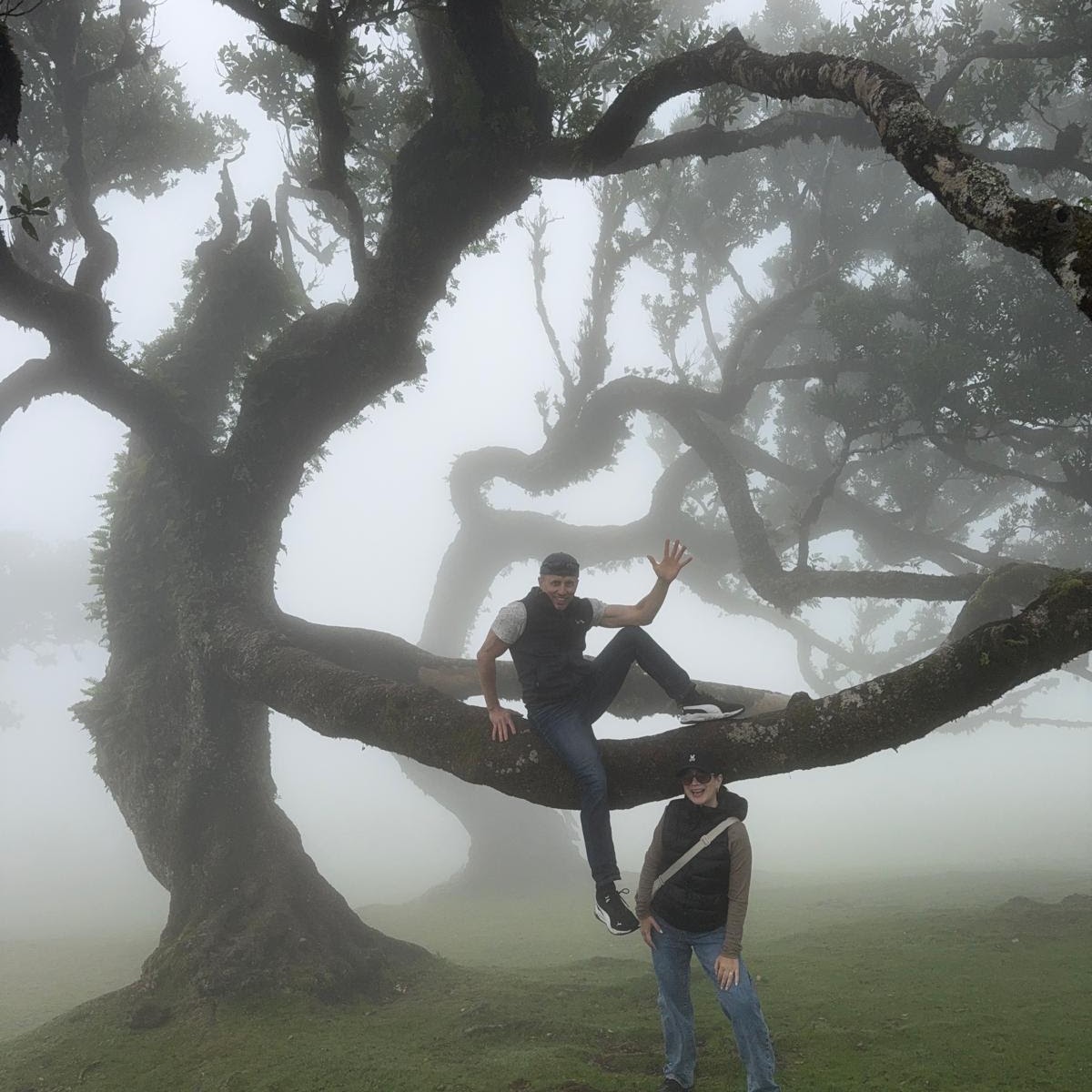
We leave Funchal and, just 1 hour and 15 minutes later, arrive at a truly magical place known as the "Witch's Forest" (Fanal Forest). This is an ancient laurel forest, home to enormous, centuries-old trees with strangely twisted trunks and sprawling branches. The forest is almost always shrouded in thick mist, making the trees look like magical creatures and creating an incredibly mystical atmosphere. You half expect a woodland fairy or witch to emerge from the fog at any moment! :)
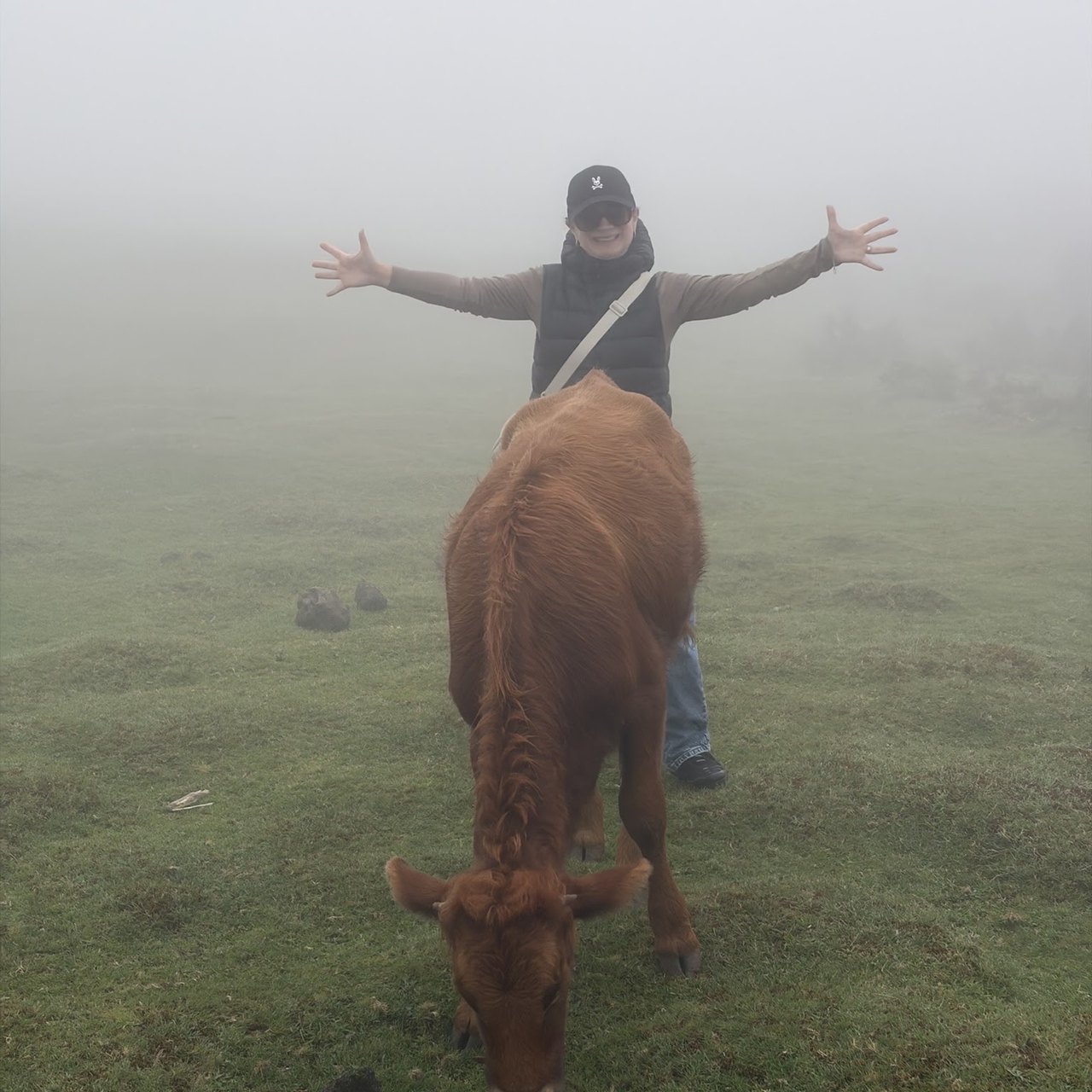
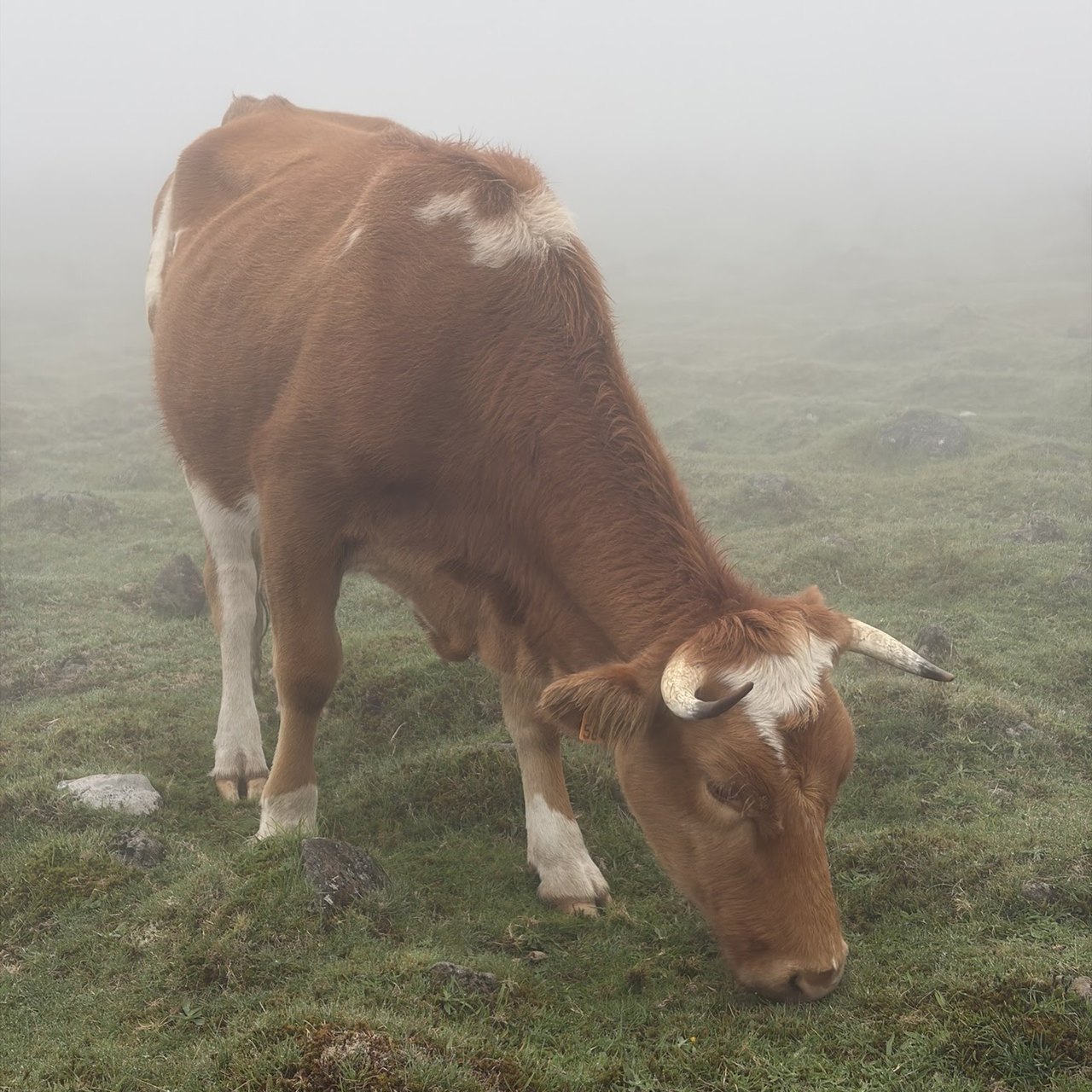
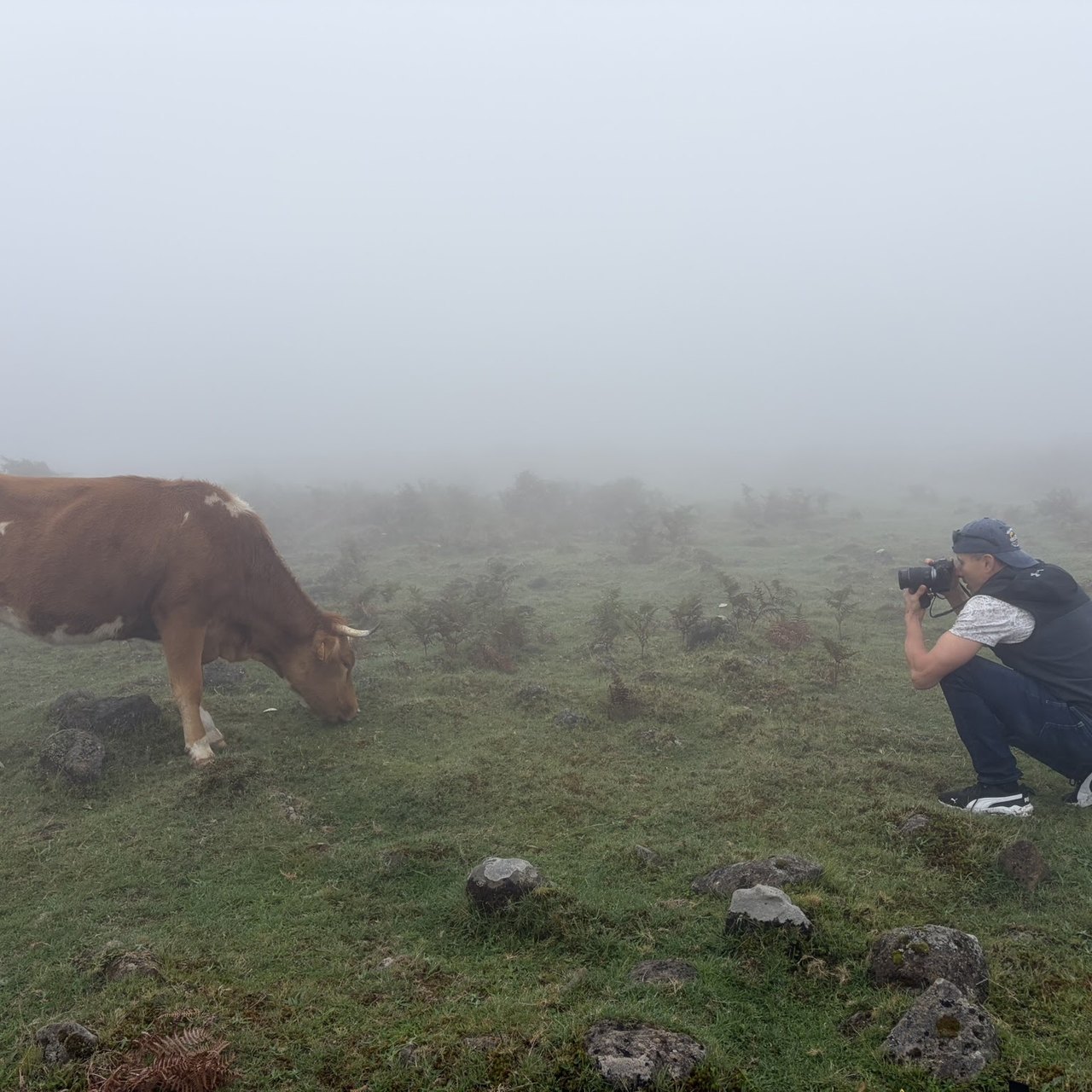
And there are cows roaming freely here, too. They graze among the trees, and sometimes their loud mooing can be heard coming through the thick mist. You can’t actually see the cows — all you hear is their mooing, as if they’re somewhere very close by, hidden in this mysterious forest. Such an unusual and almost magical place! (admission is free)
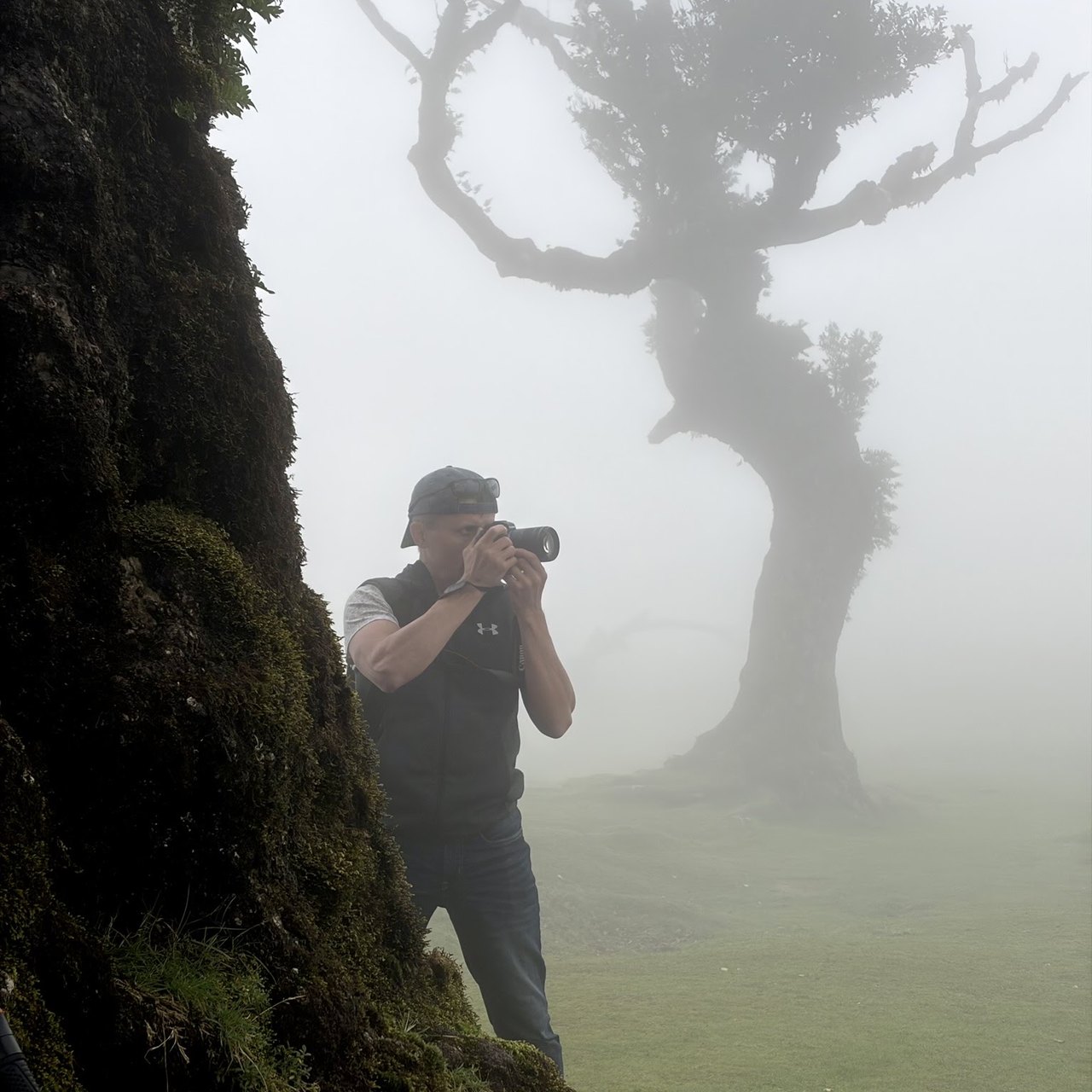
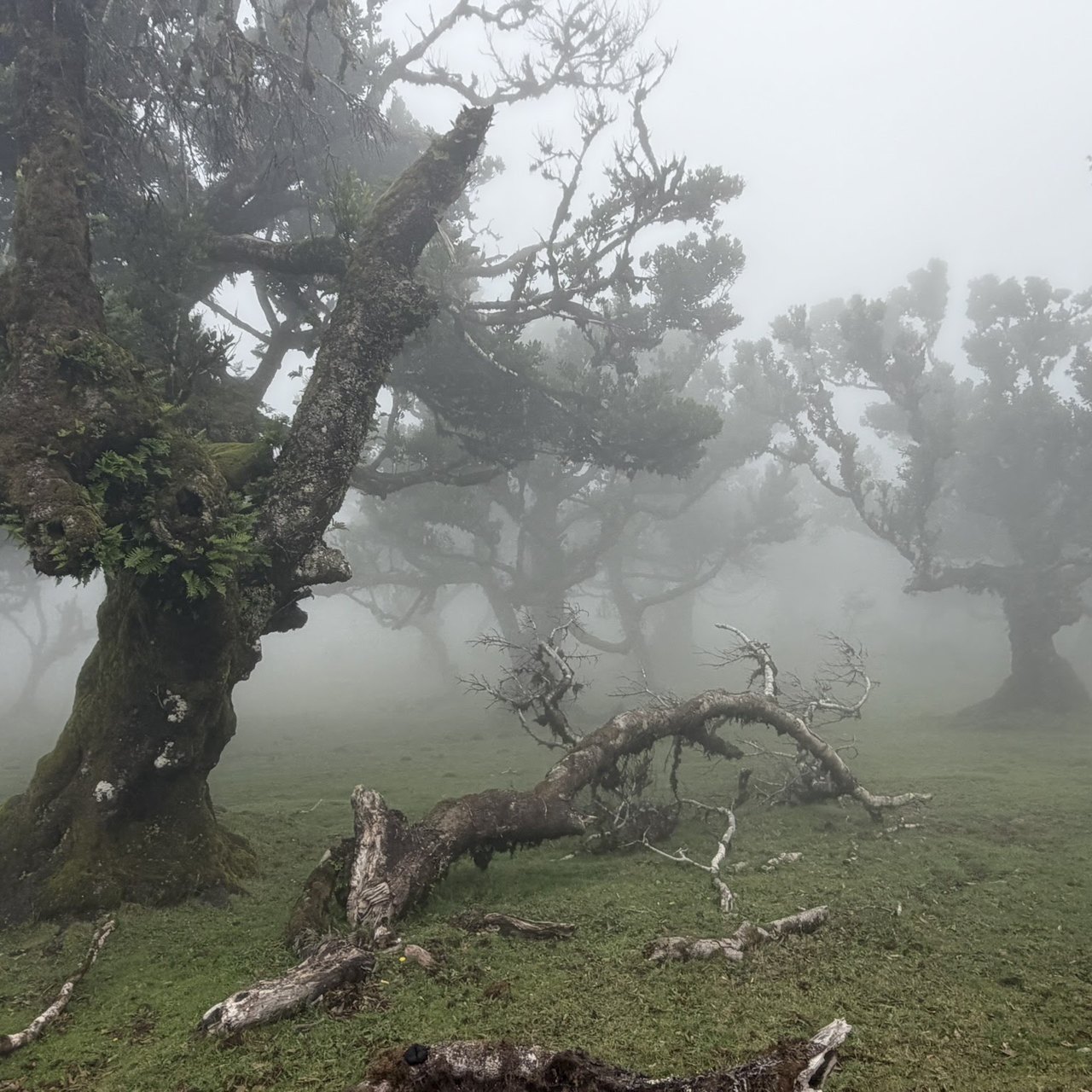
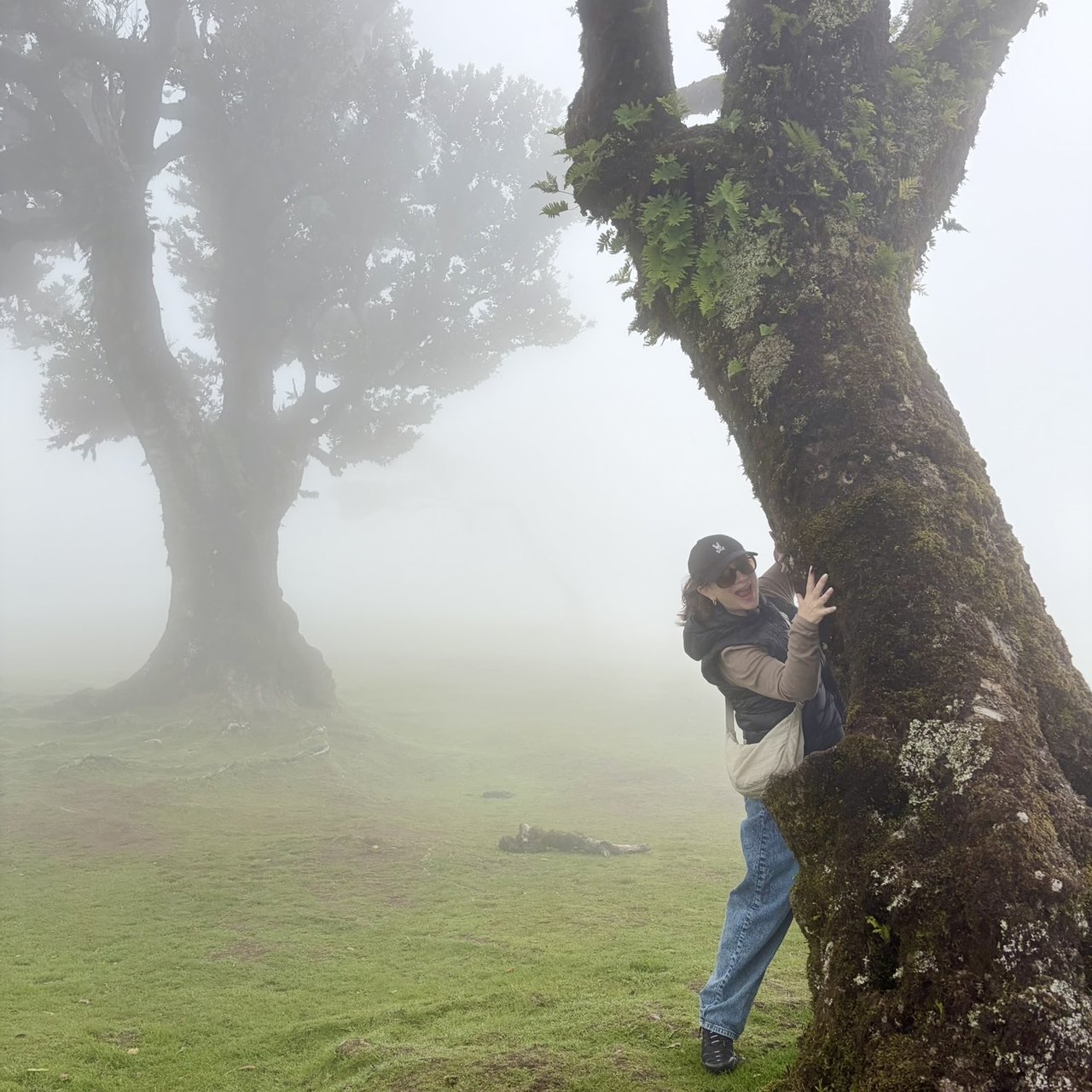
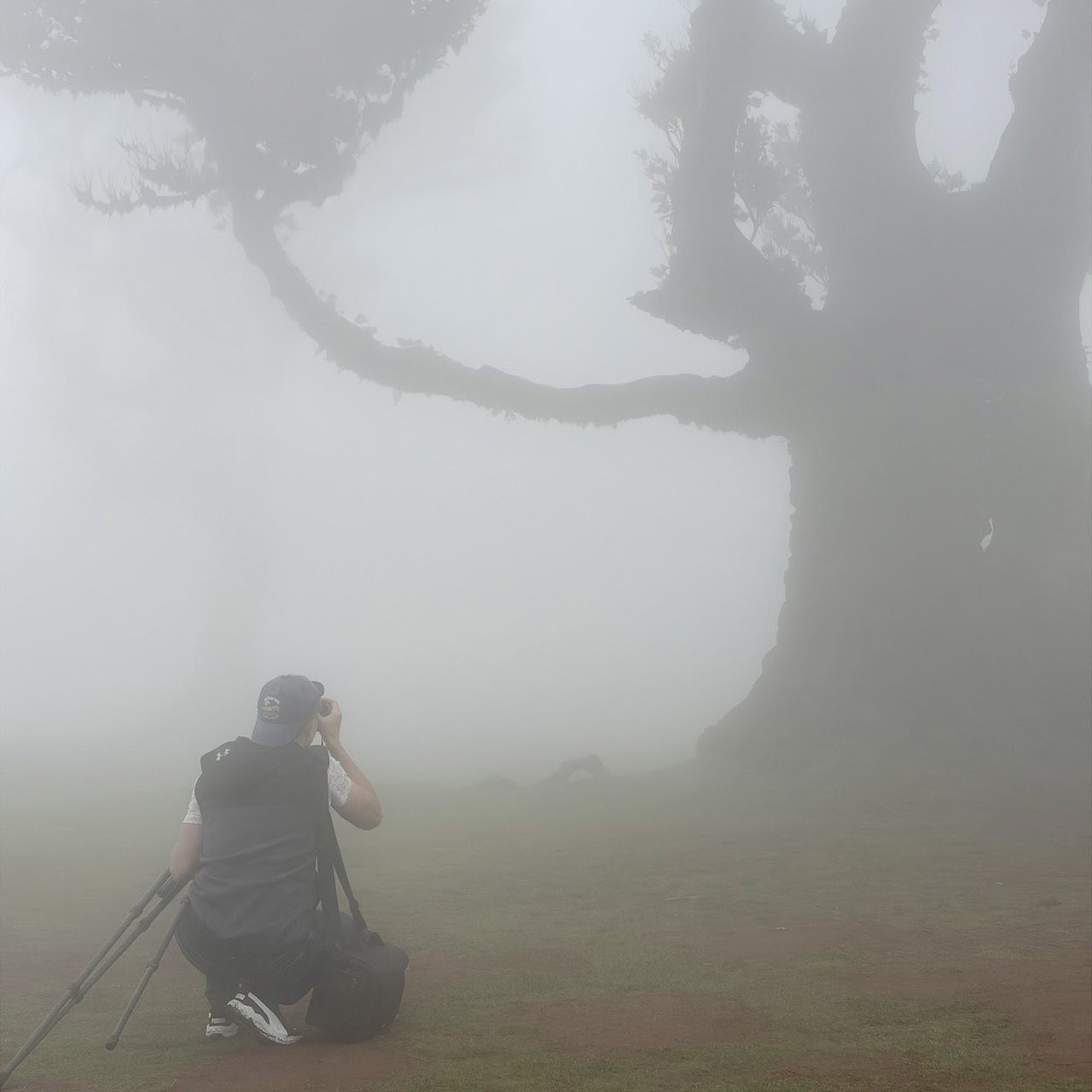
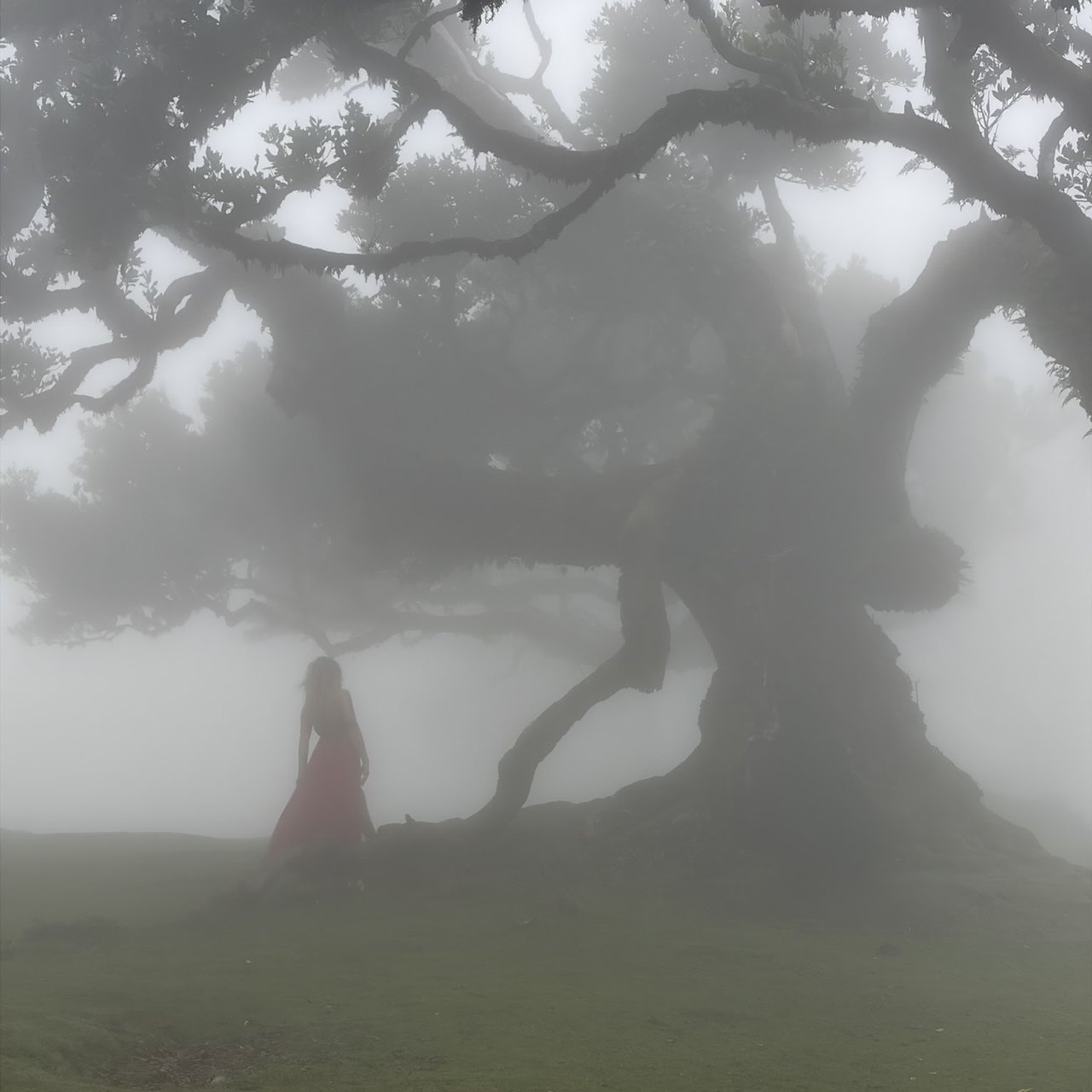
And we did manage to find the cows after all! Although we got a little lost in the mist ourselves afterwards, but that’s just a minor detail! :)
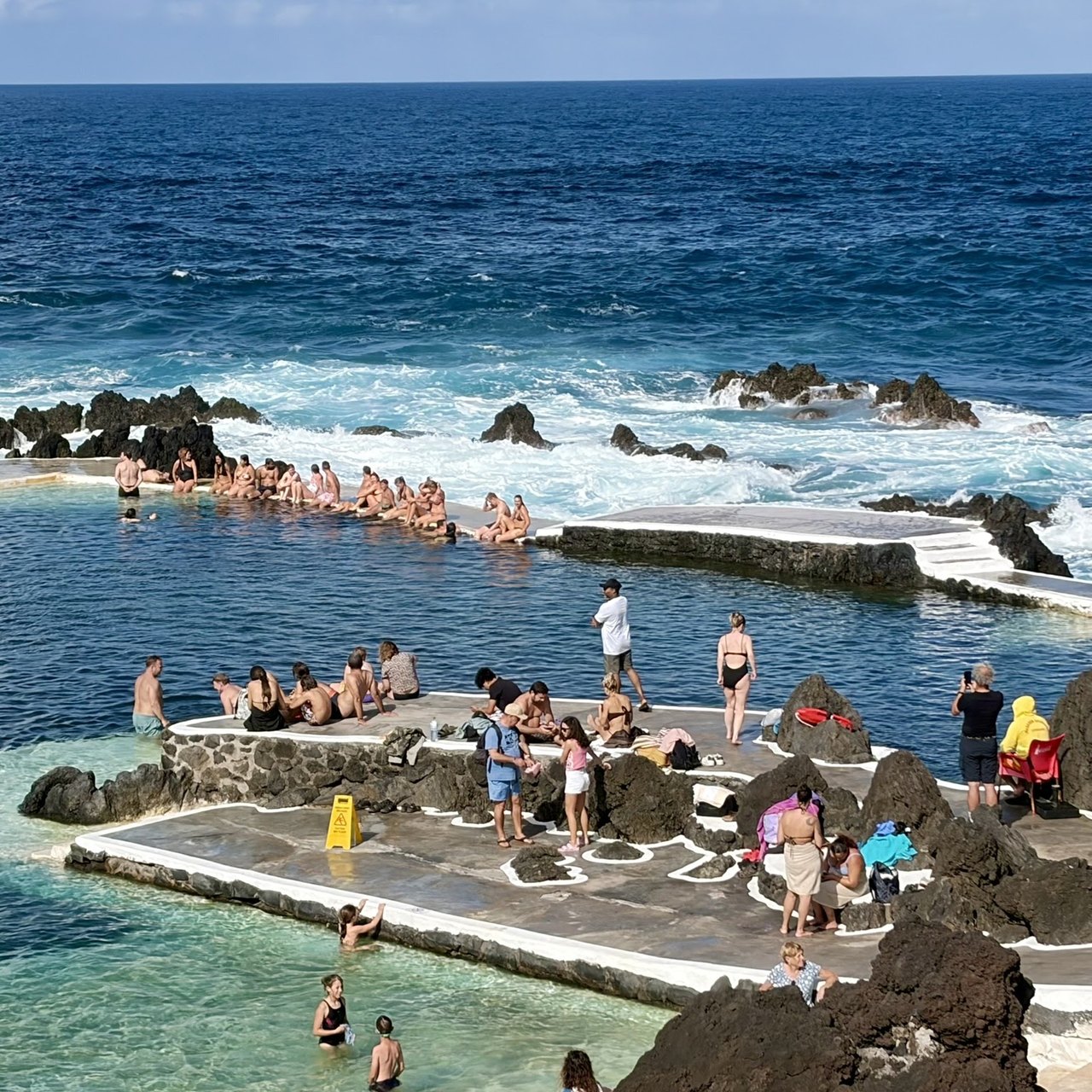
We continue our journey and, just 20 minutes later, arrive at Porto Moniz Natural Pools (Piscinas Naturais do Porto Moniz), one of the most famous attractions on Madeira’s northern coast.
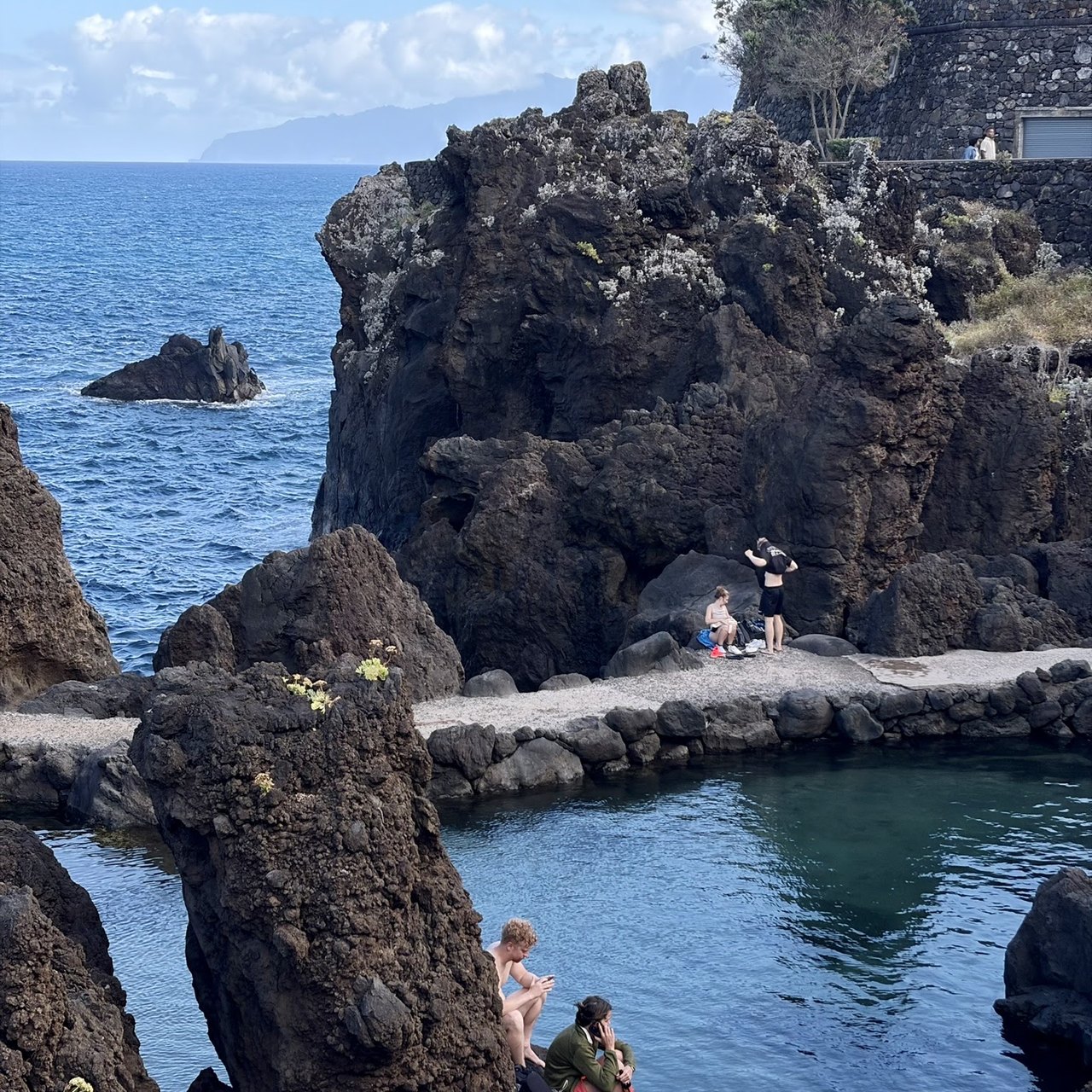
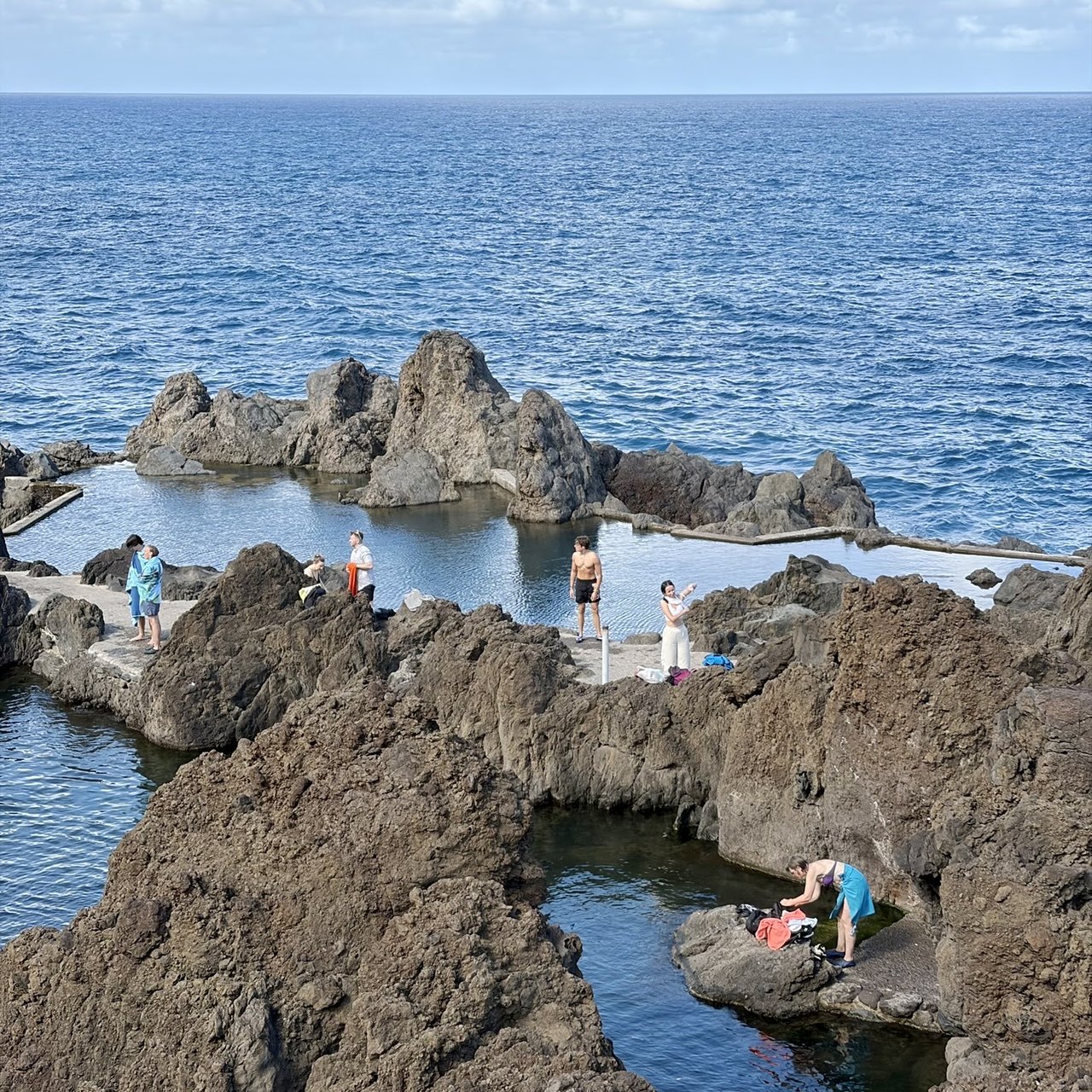
These remarkable natural pools were formed among solidified volcanic lava thousands of years ago. The water is actual ocean water, flowing freely through natural openings between the rocks and constantly being replenished. The result is an incredible combination of dark volcanic rock, crystal-clear turquoise water, and the vast Atlantic Ocean. Here, you can not only admire this unusual landscape but also take a swim right among the volcanic rocks!
There were two options available. The first was free, with no changing facilities, and in a quieter location. The second was a little more comfortable, with changing rooms (€3), as well as waves that periodically came crashing over everyone enjoying the pools! :)
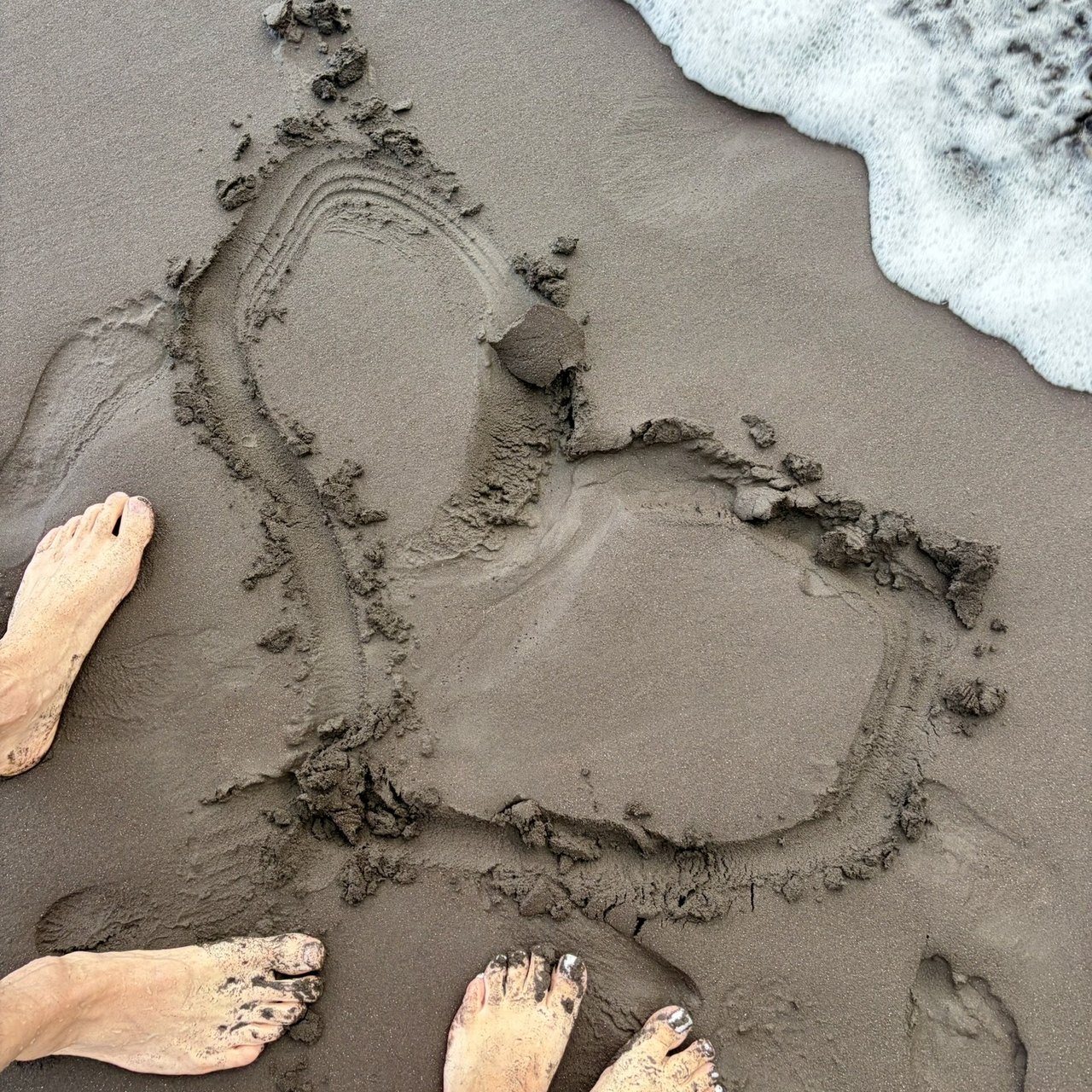
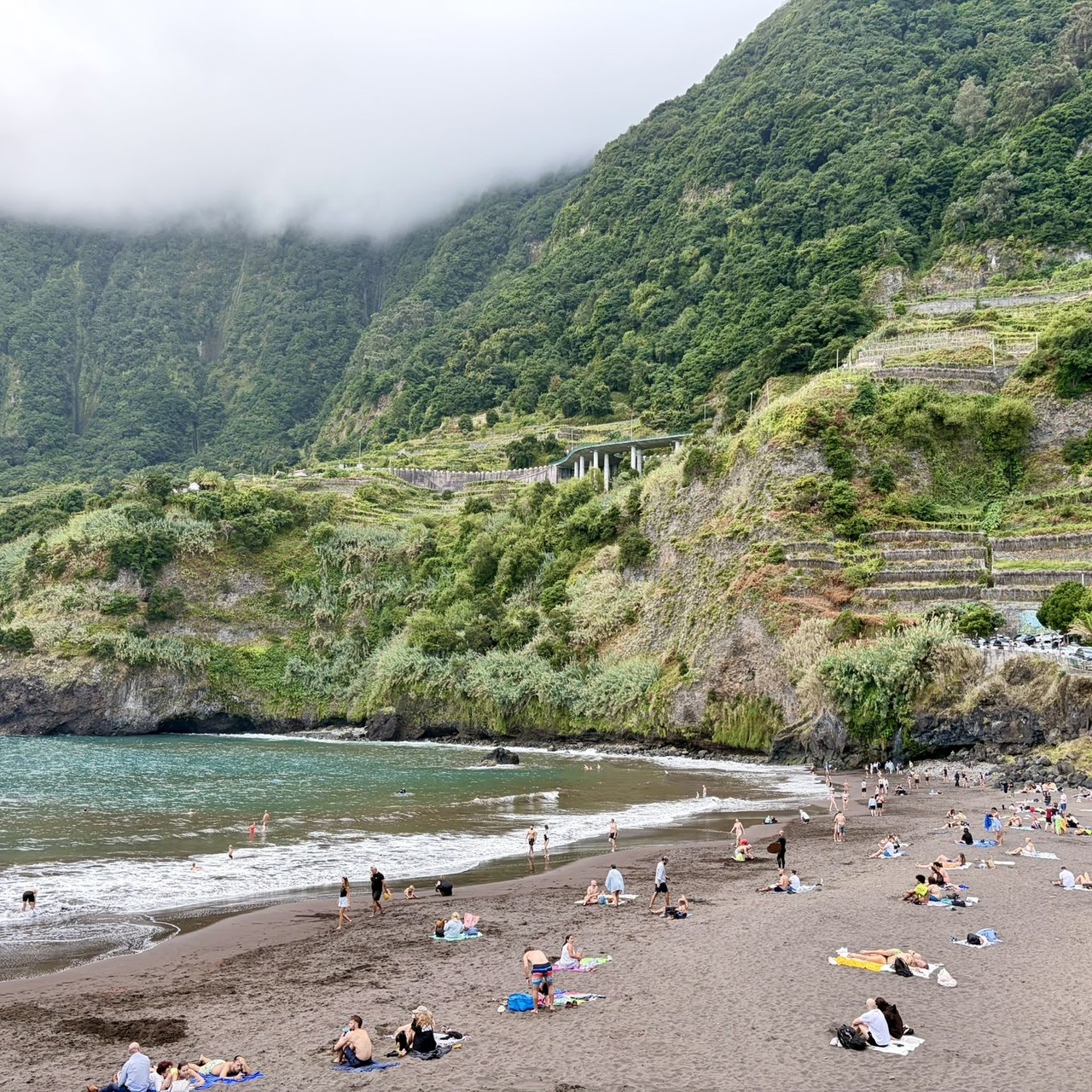
We continue towards our hotel and, about 15 minutes later, make another little beach stop at Seixal Beach (Praia do Seixal). This is one of Madeira’s most beautiful beaches, famous for its unusual black volcanic sand. The emerald-green mountains look especially striking against the dark shoreline
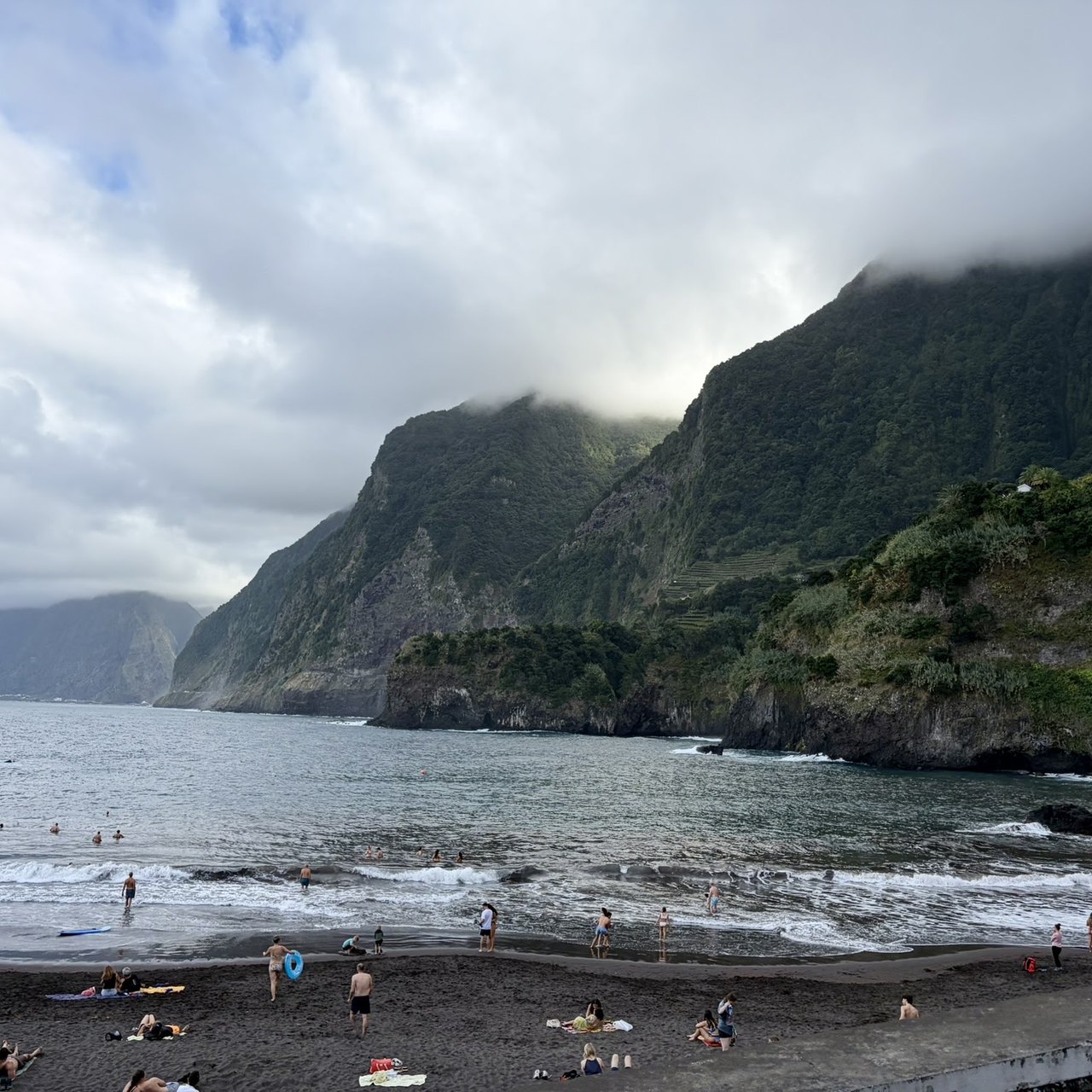
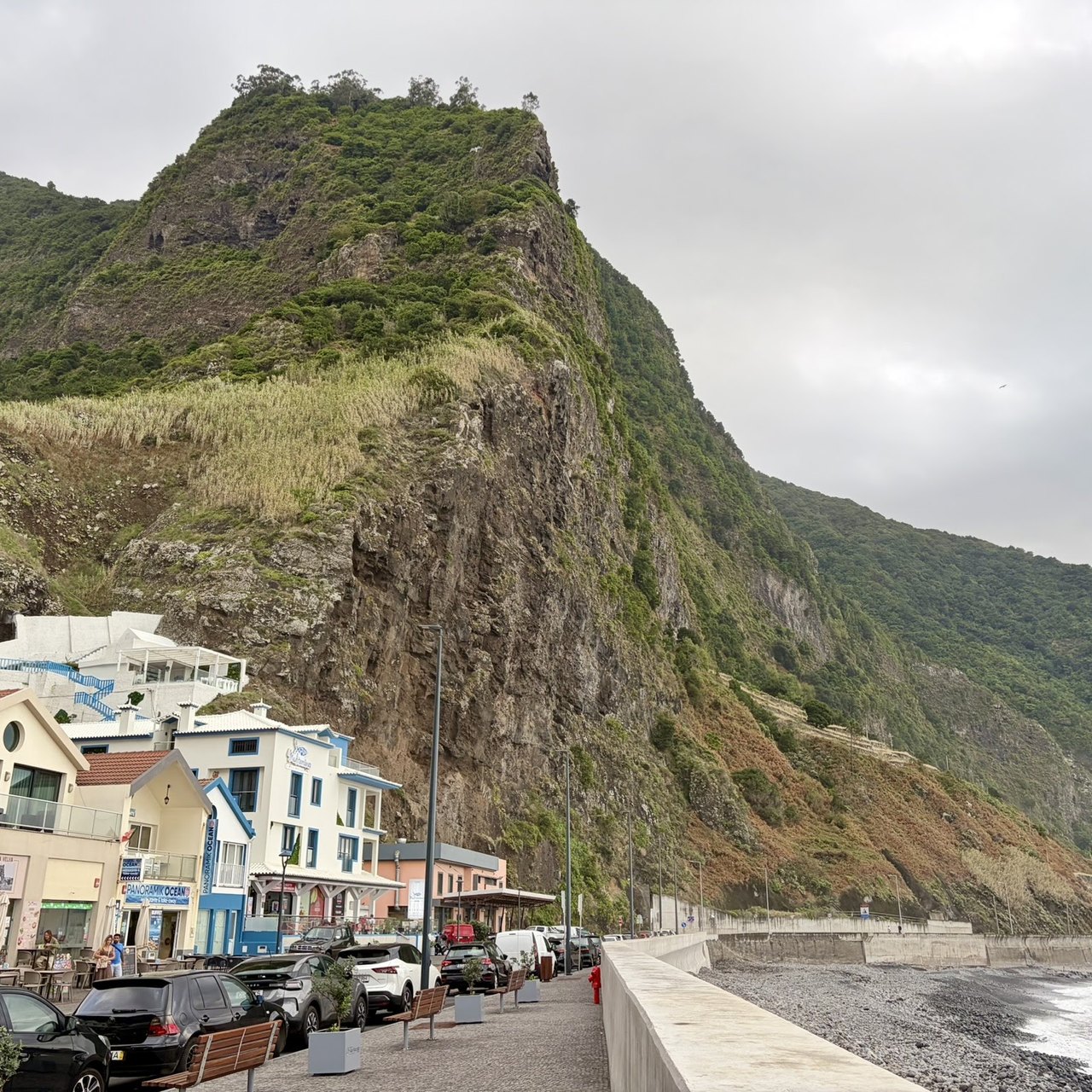
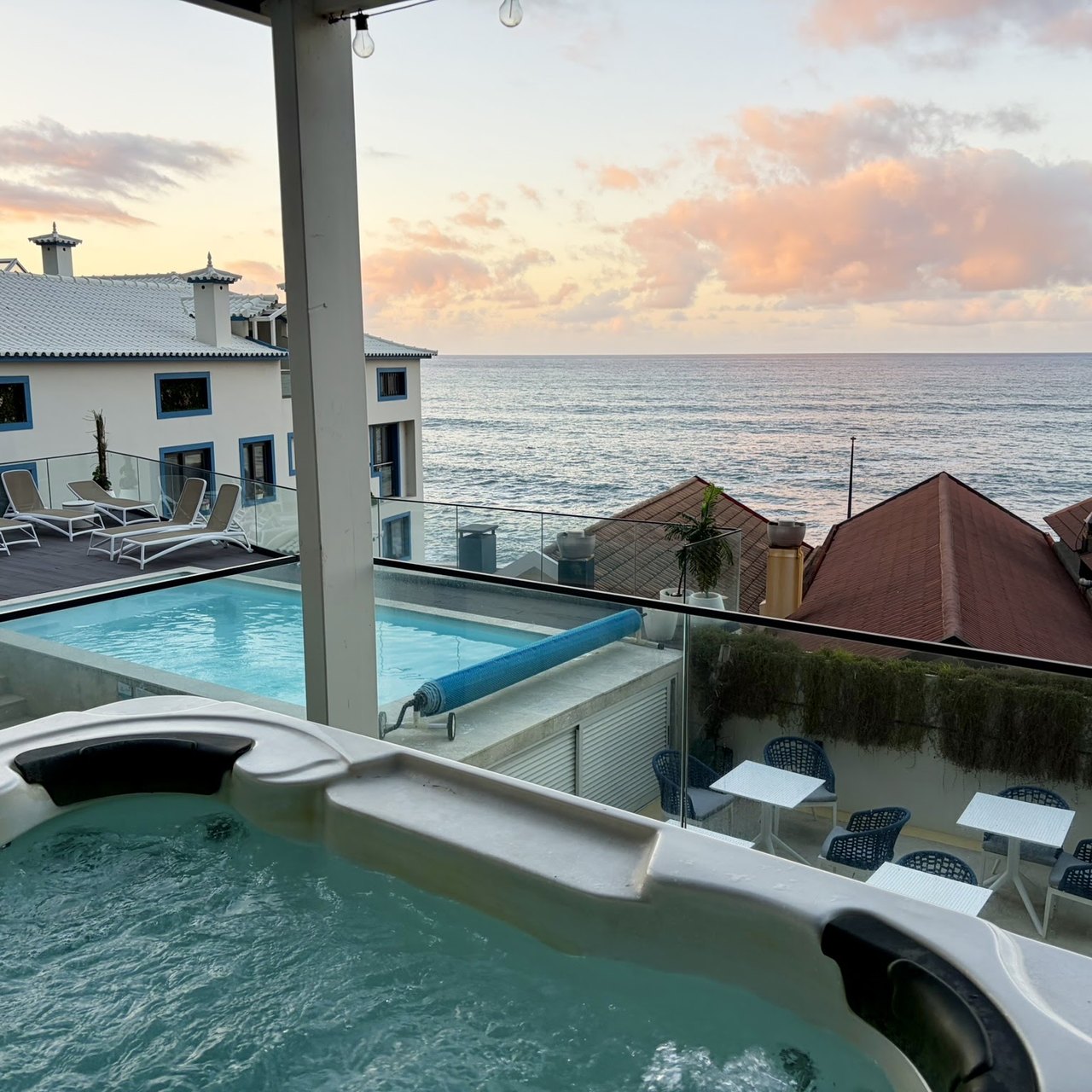
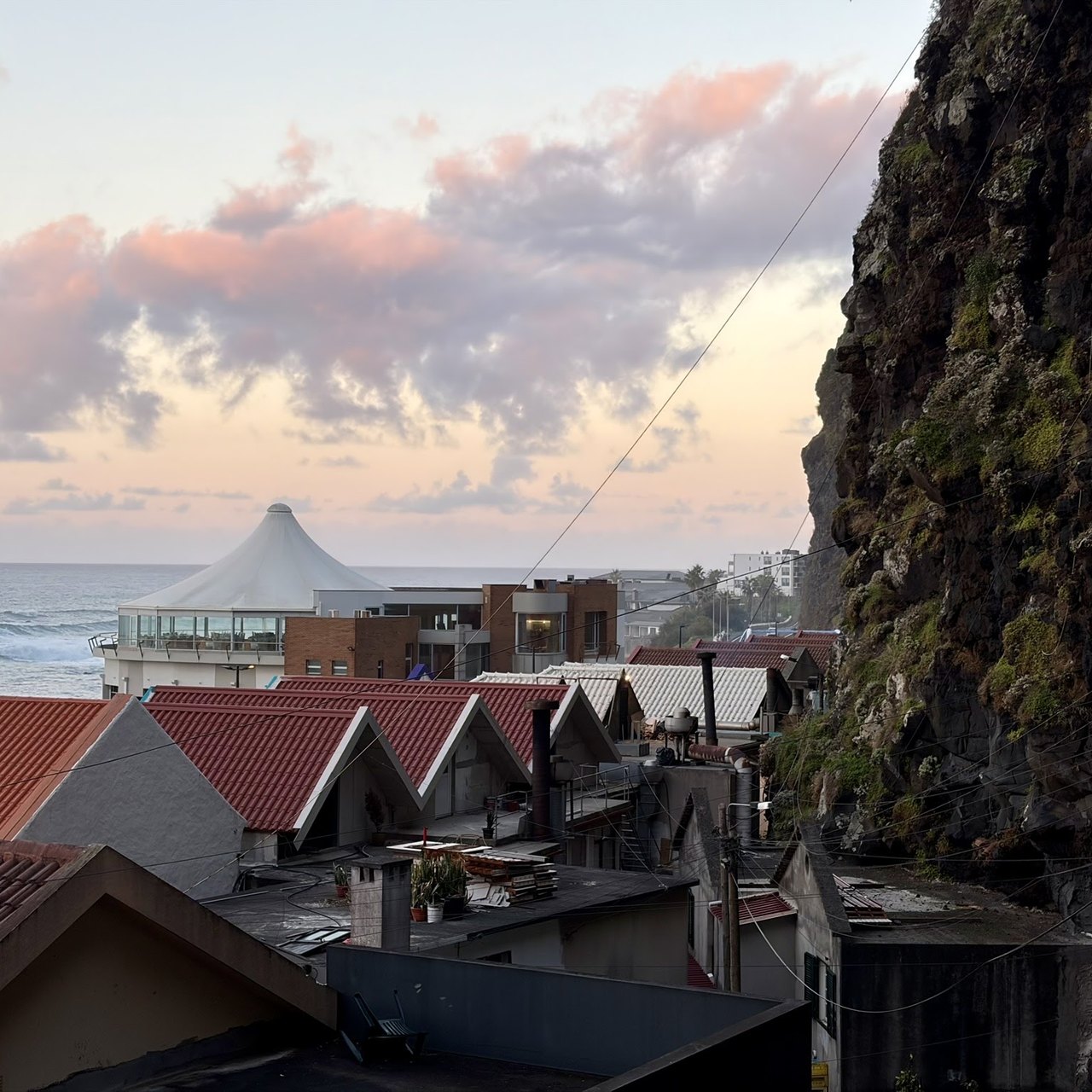
And just 10 minutes later, we arrive at our hotel, Mediterrâneo Madeira. The hotel was right on the oceanfront, built directly into the cliffside
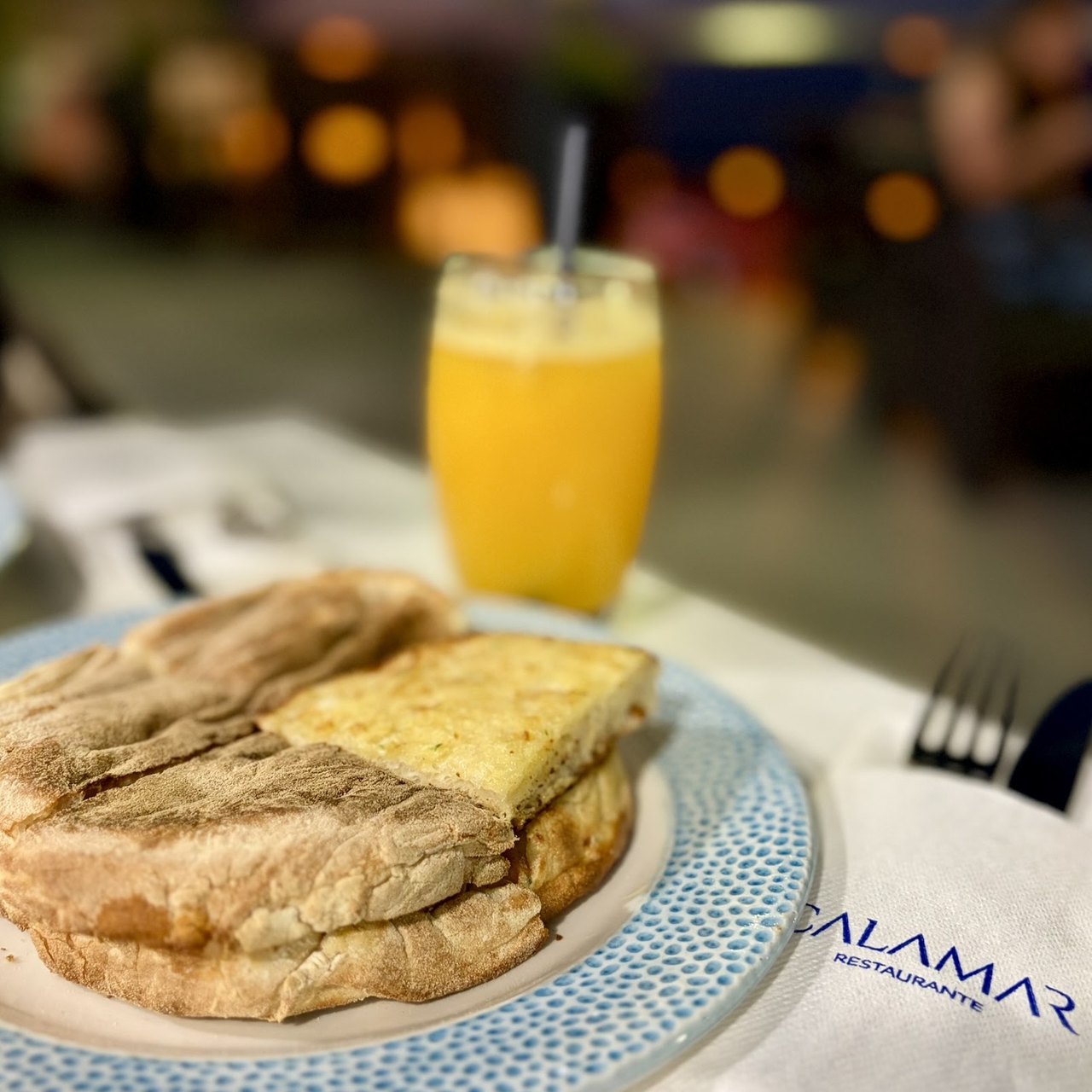
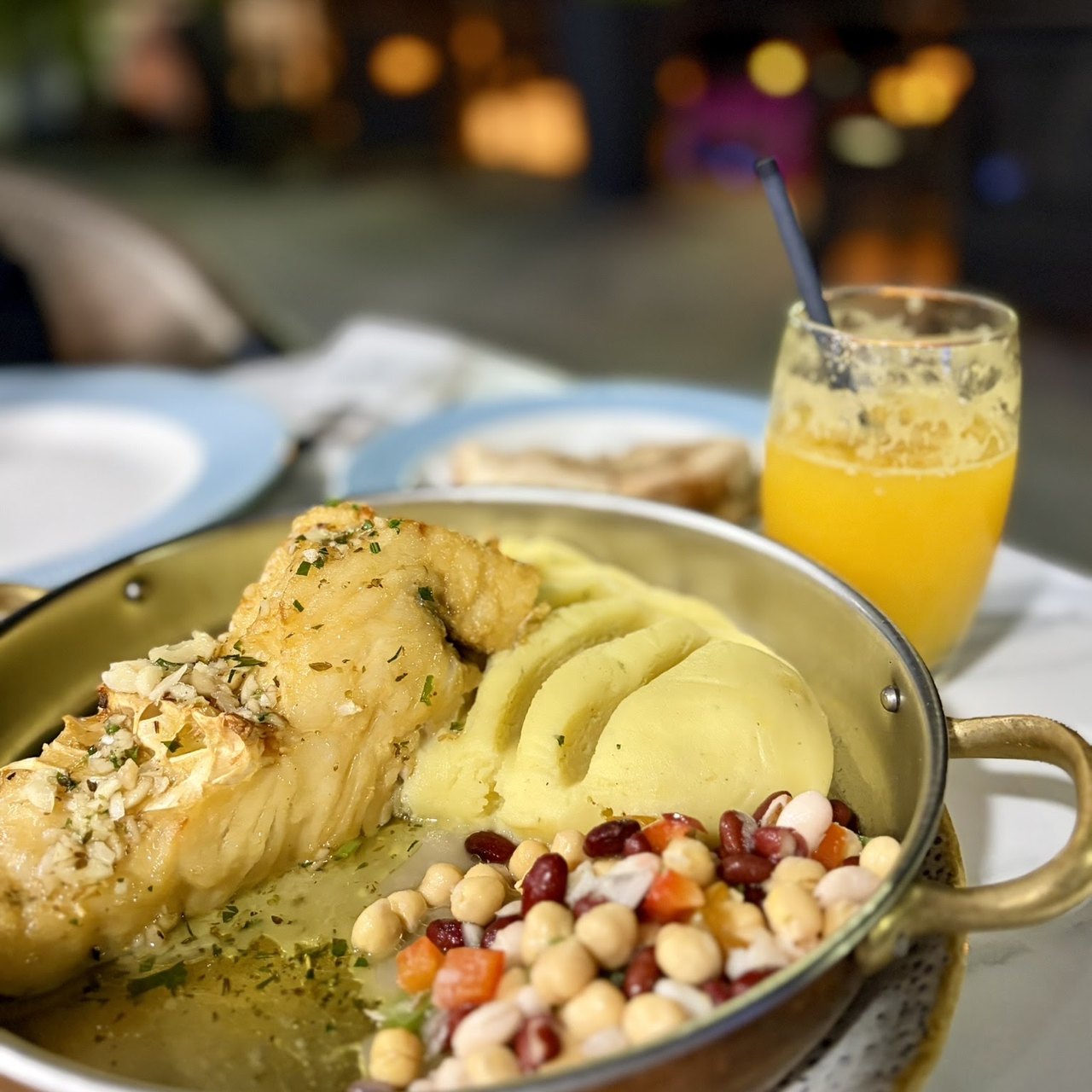
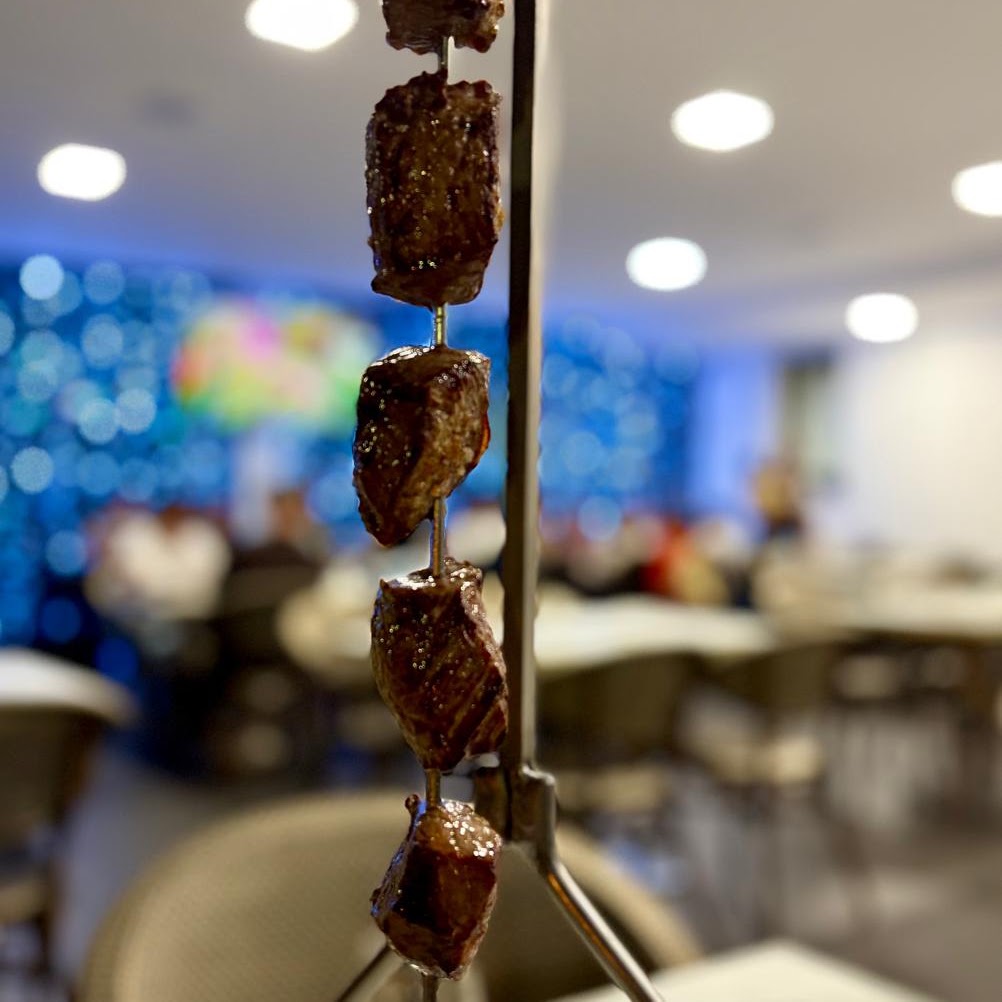
We have dinner at one of the restaurants along the waterfront. We try Bolo do Caco, Madeira’s most famous bread, served warm with garlic butter, along with cod and a beef skewer
Day 7. São Vicente and the Surrounding Area
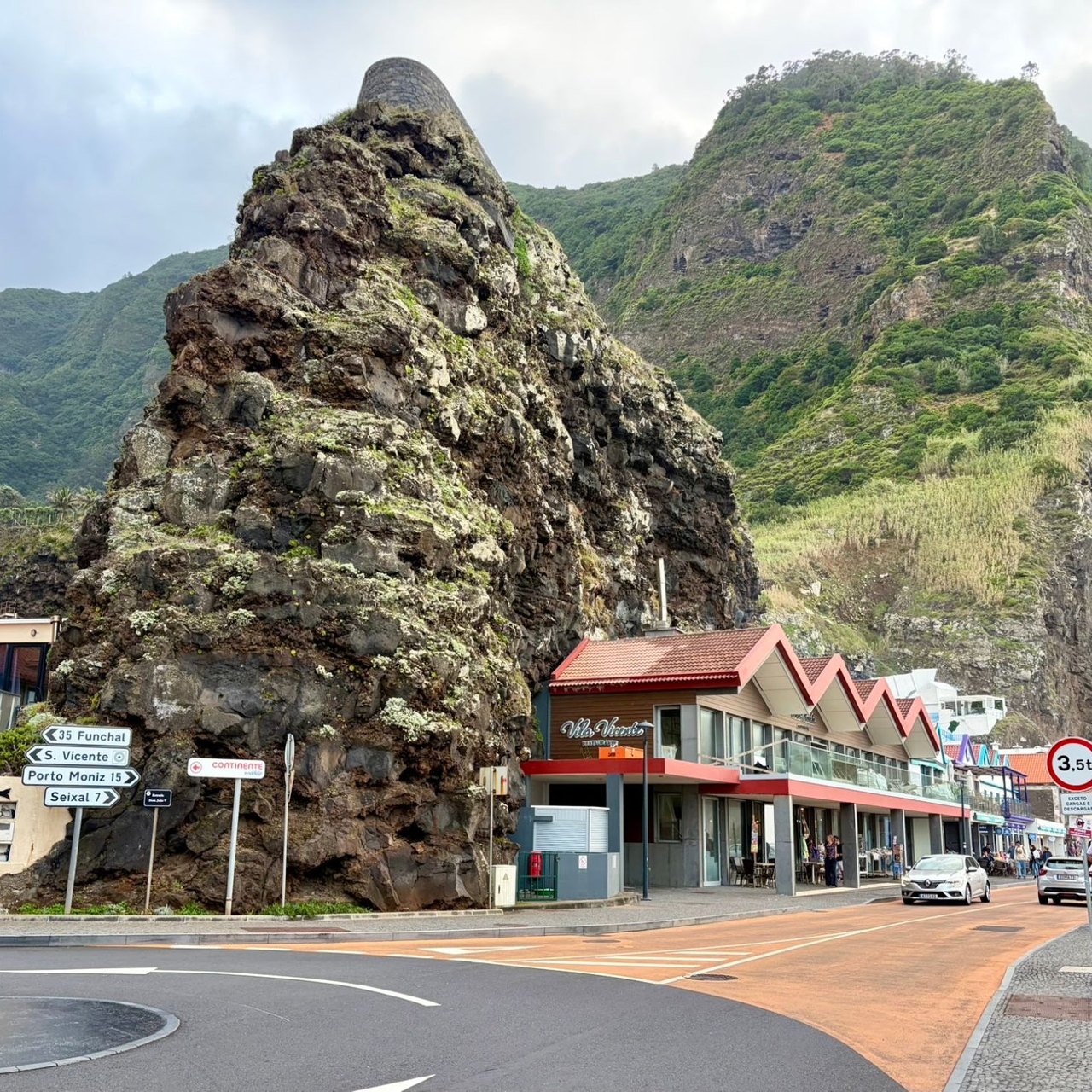
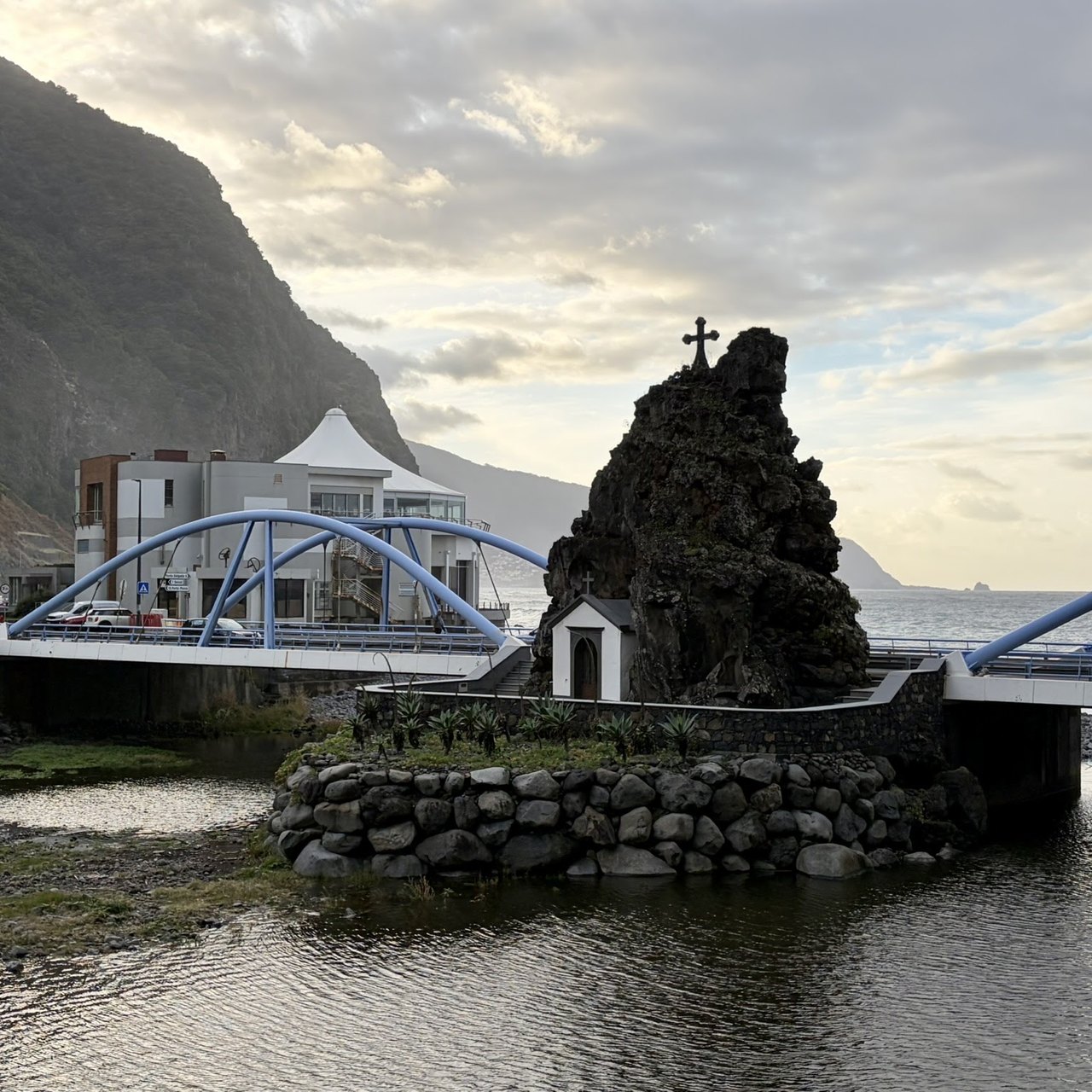
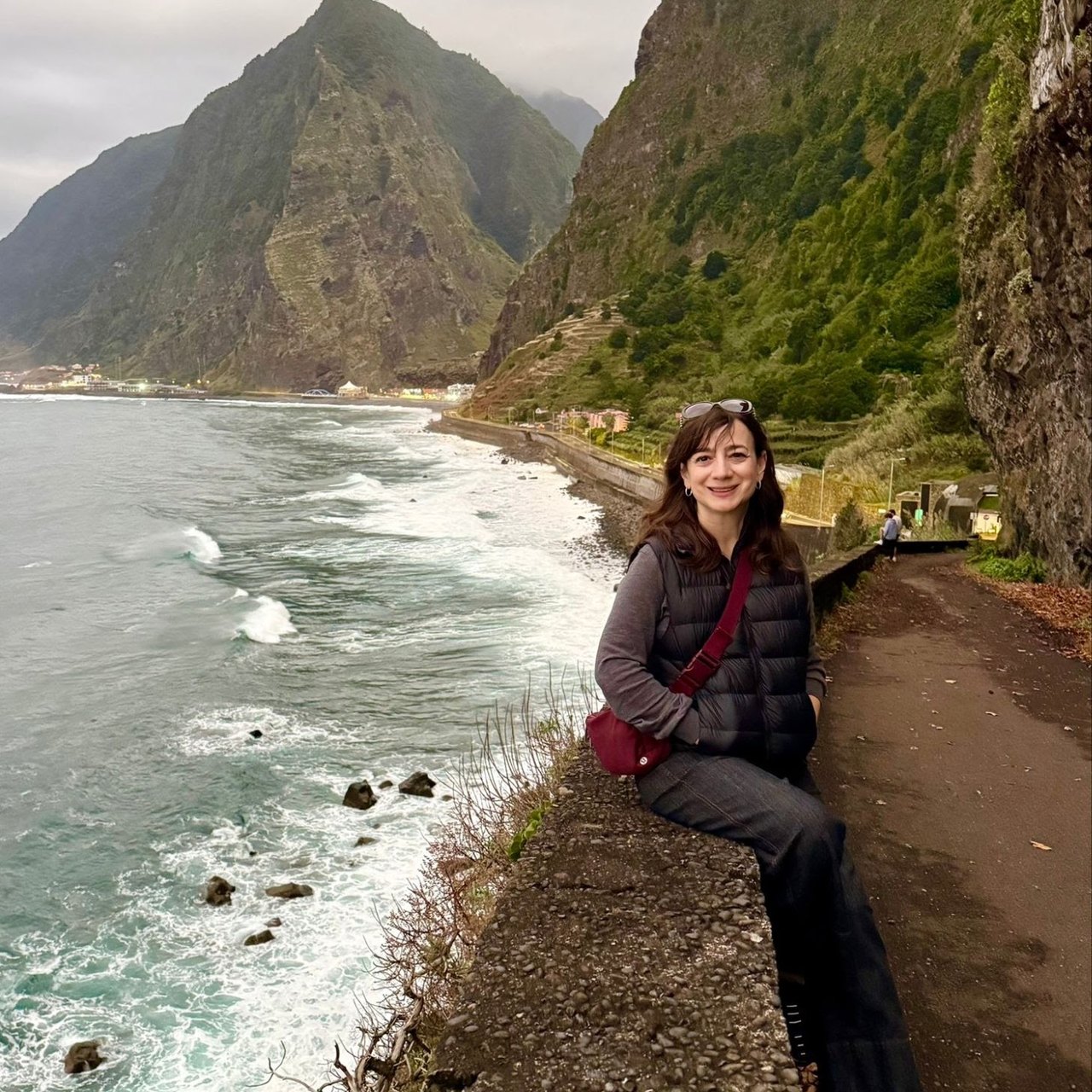
The weather has taken a bit of a turn today, but this is perfectly normal for the northern part of Madeira. It rains much more frequently here than in the sunny south of the island. The weather can change in the blink of an eye: one moment the sun is shining, and the next, clouds roll in and everything is shrouded in mist. But there’s a certain charm to this, too. It’s precisely this humid climate that makes northern Madeira so lush, scenic, and completely different from the southern part of the island. We didn’t have any long trips planned for today. Instead, we simply visited some beautiful spots within a 15–20-minute drive of our hotel.
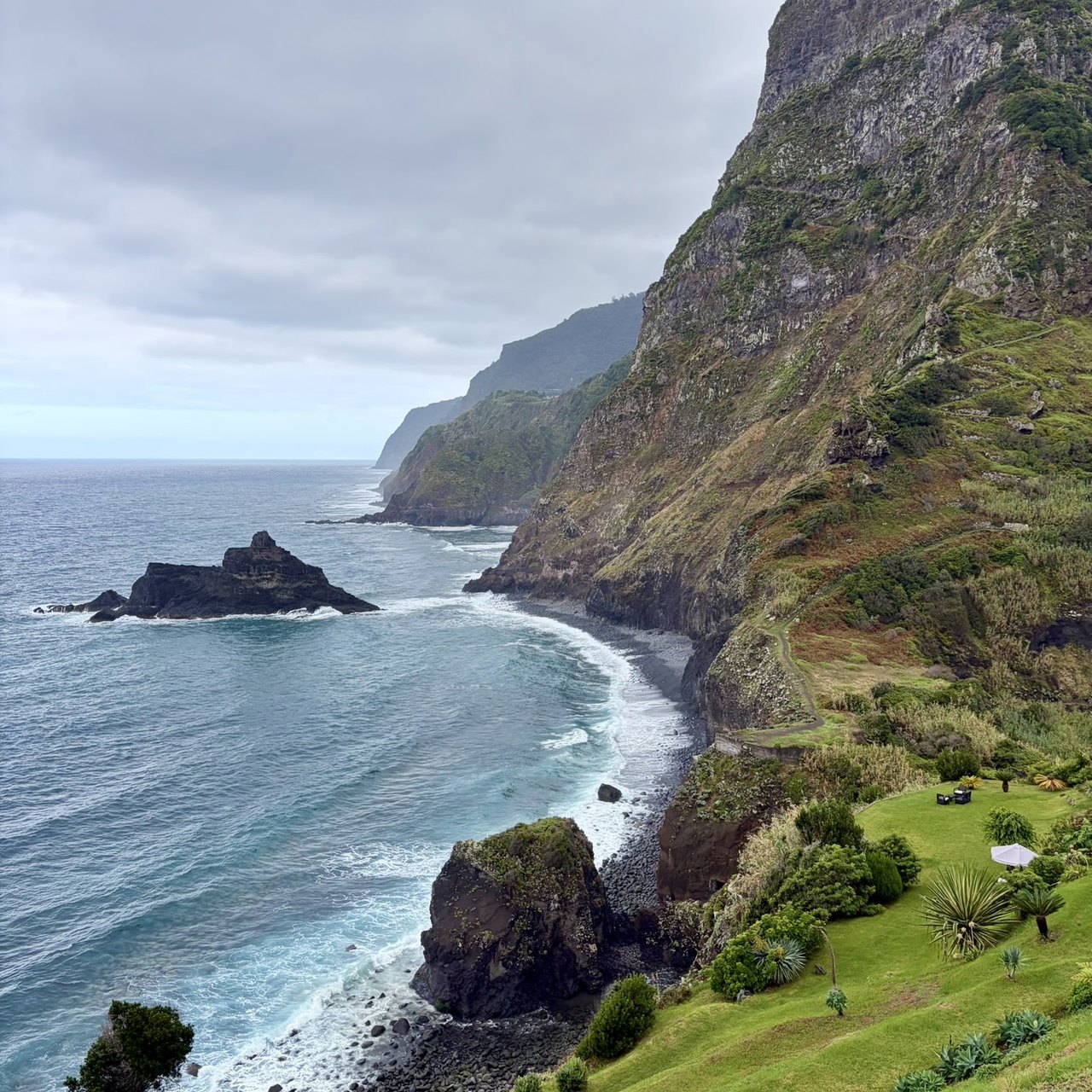
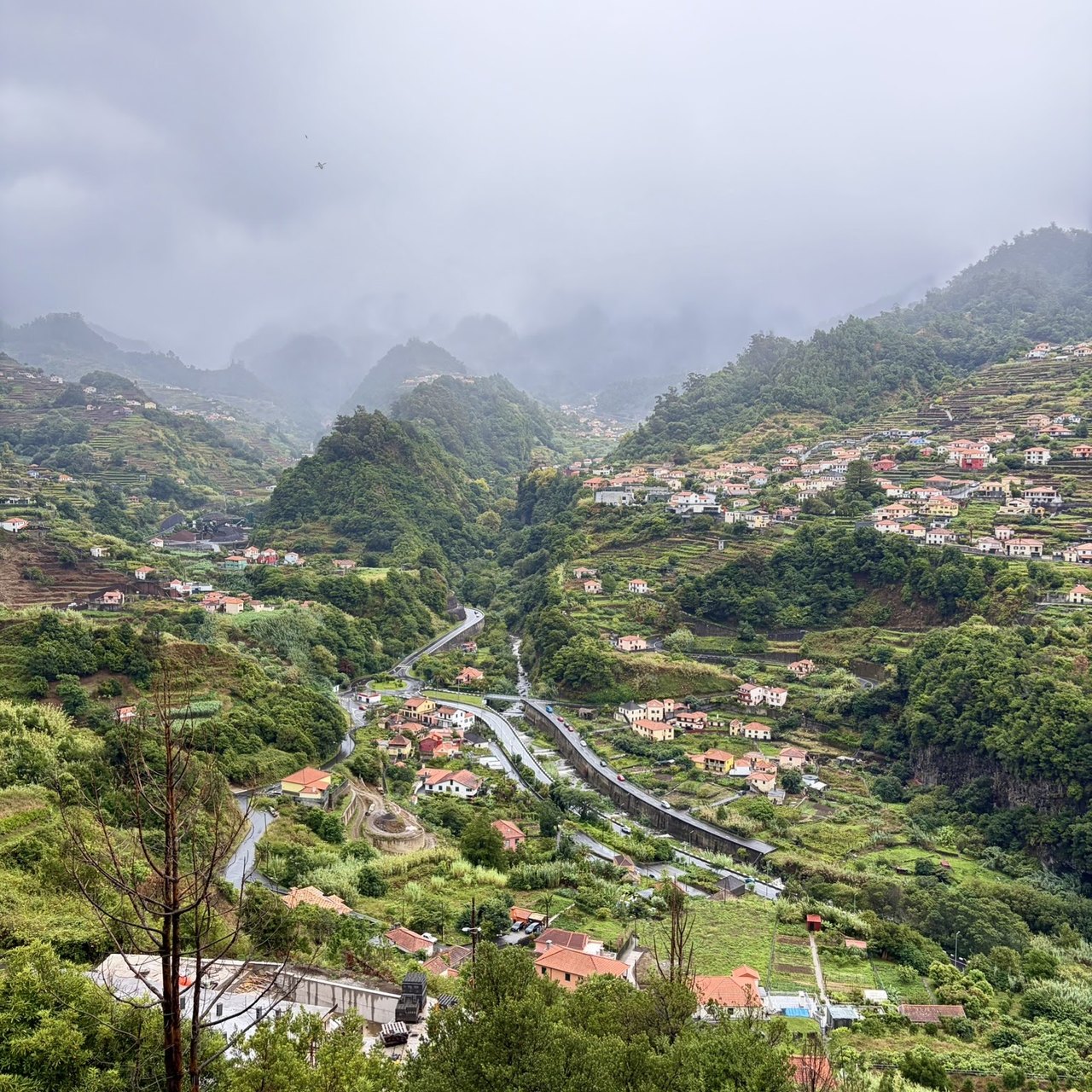
We head to Miradouro de São Cristóvão, one of the beautiful viewpoints along Madeira’s northern coast, located in the Boaventura area. From here, we enjoy a breathtaking panorama of a lush green valley with terraced fields, steep mountain slopes, and the vast Atlantic Ocean
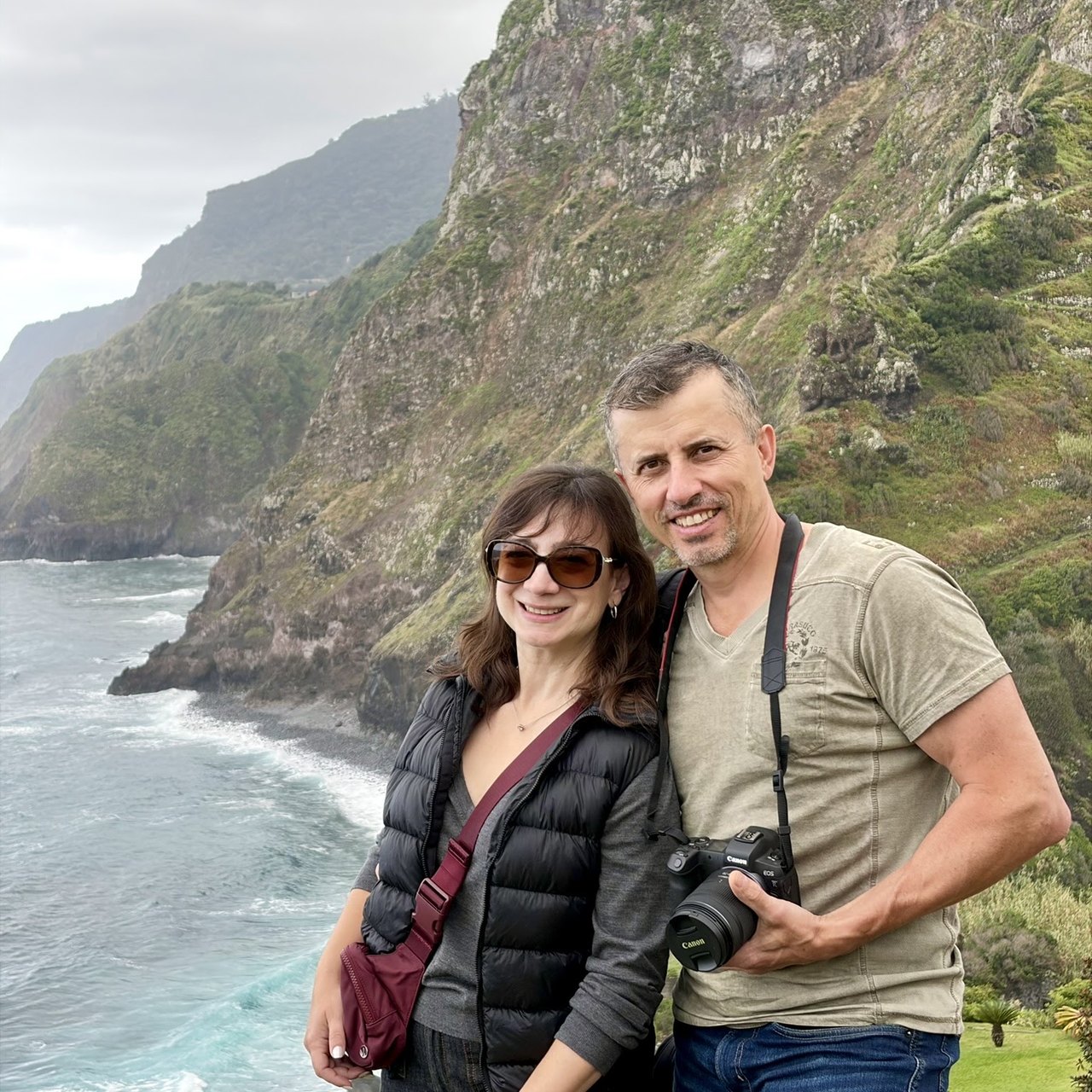
Next, we make our way to another viewpoint, Miradouro de Ponta Delgada. From here, we can see the village of Ponta Delgada, its houses perched on a steep hillside, and the winding road running along the ocean
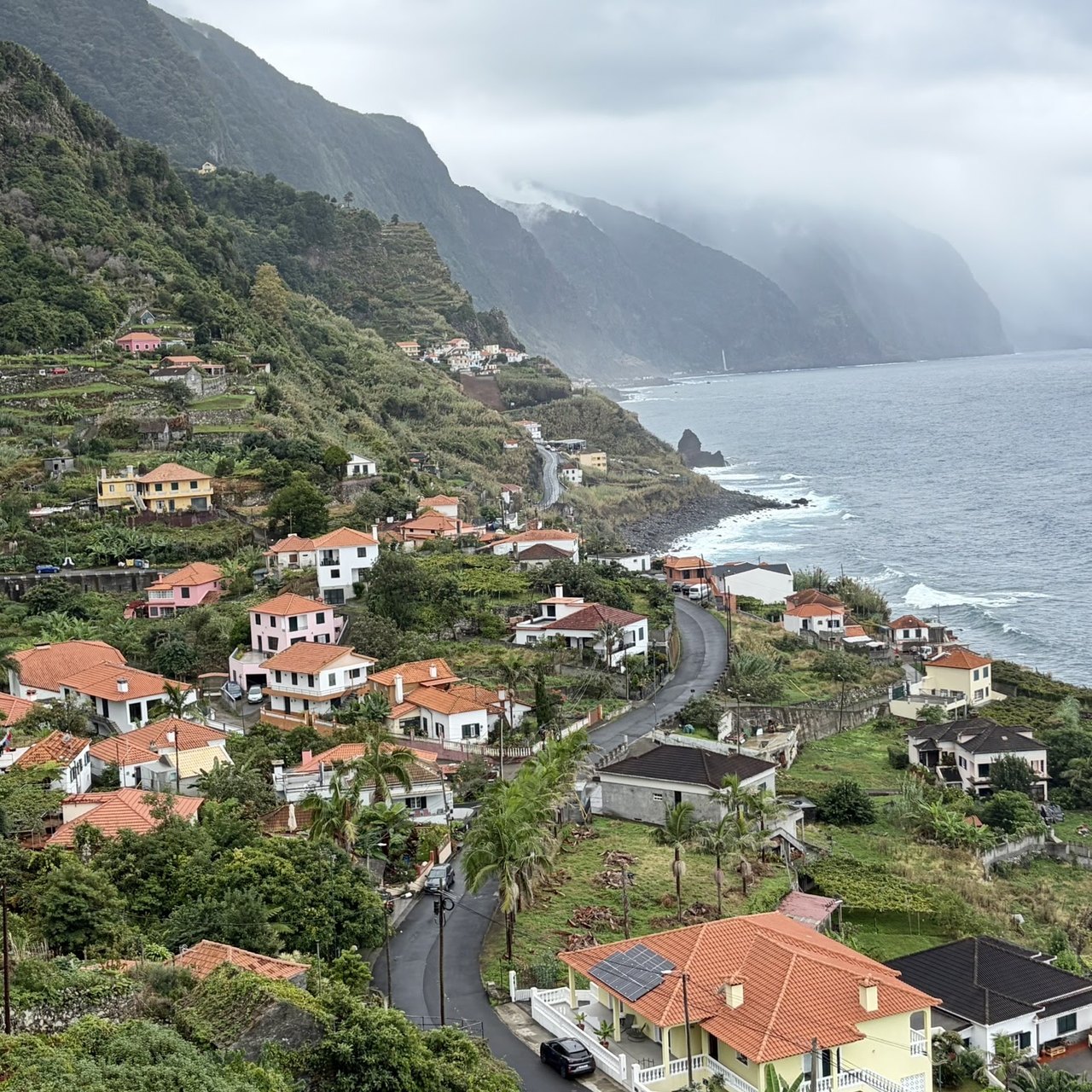
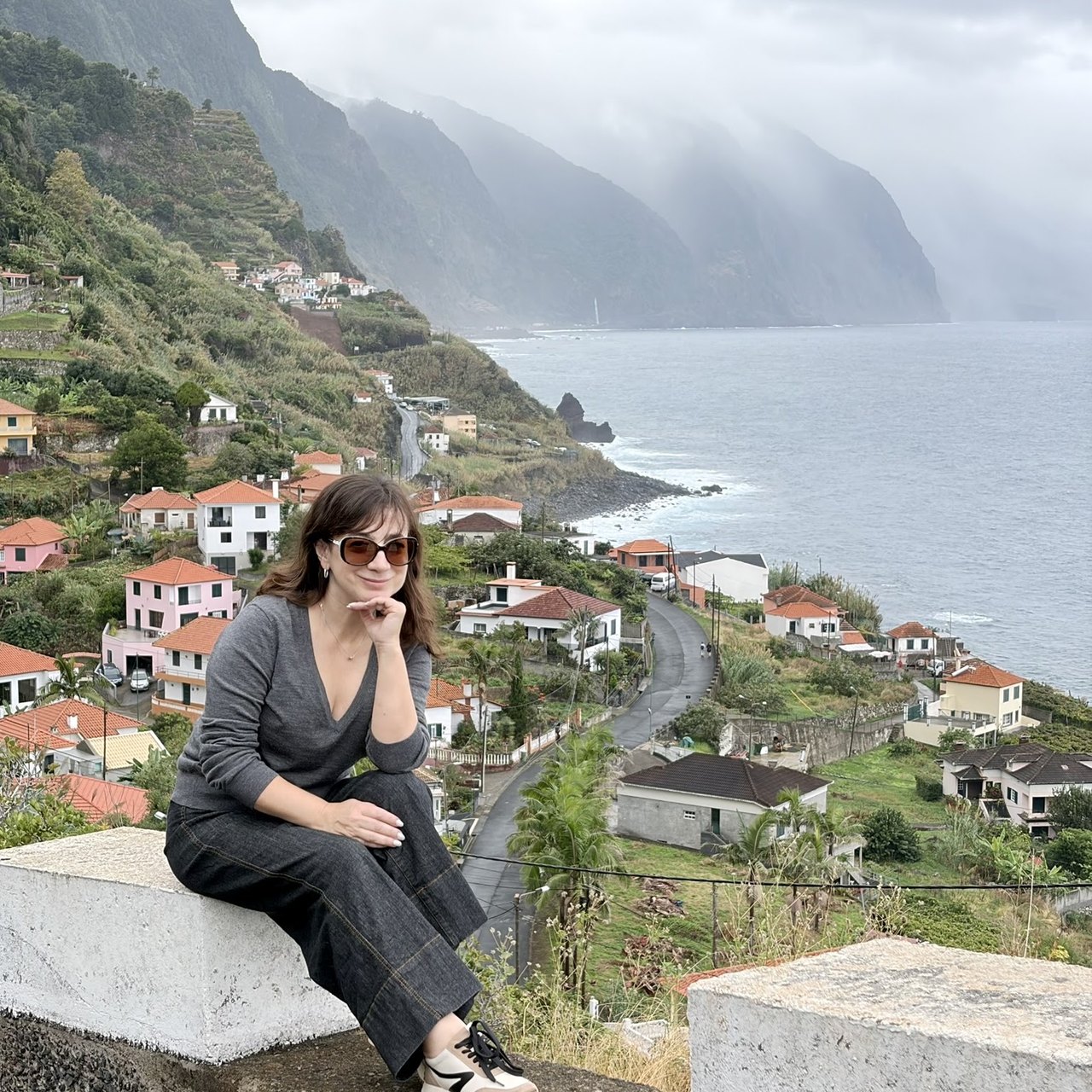
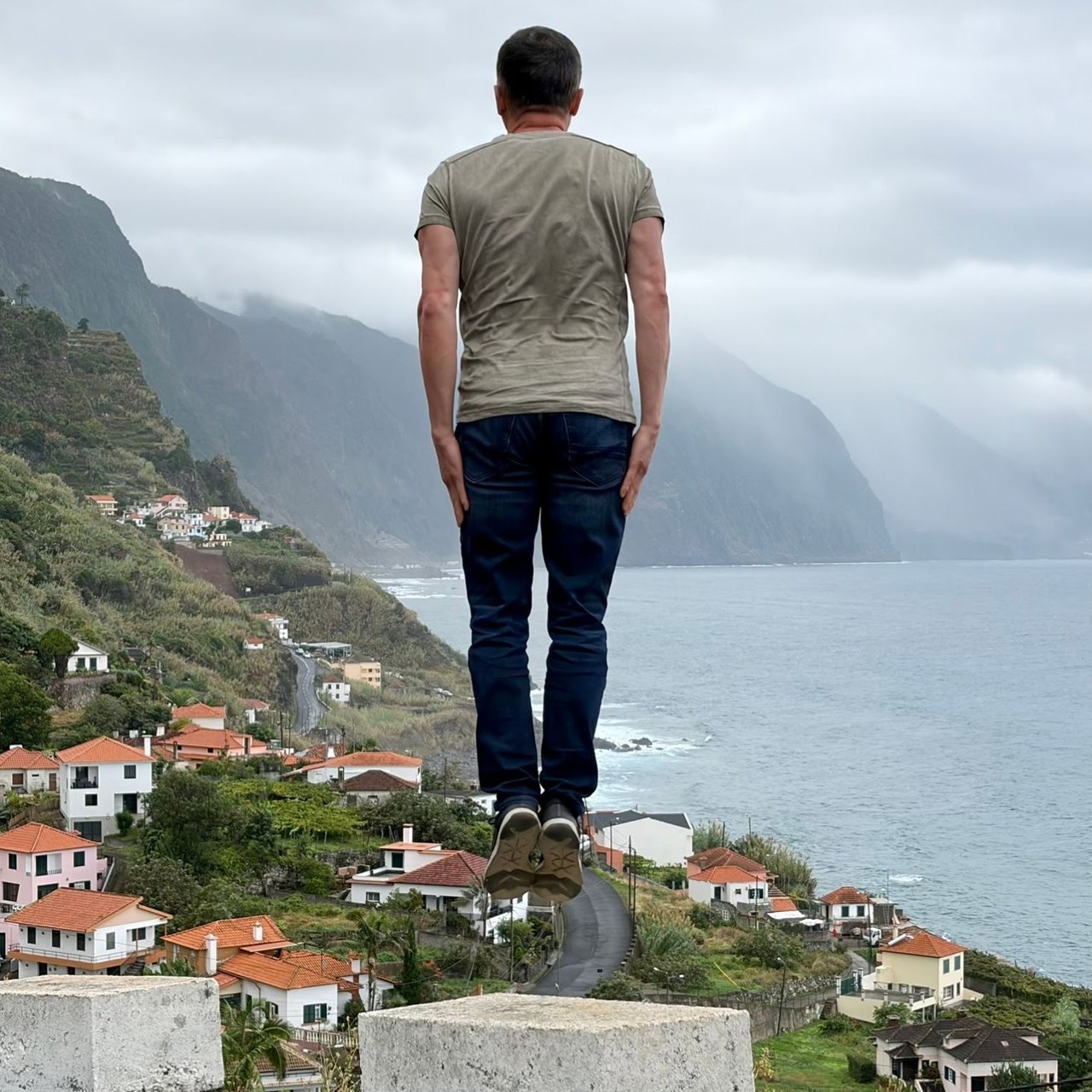
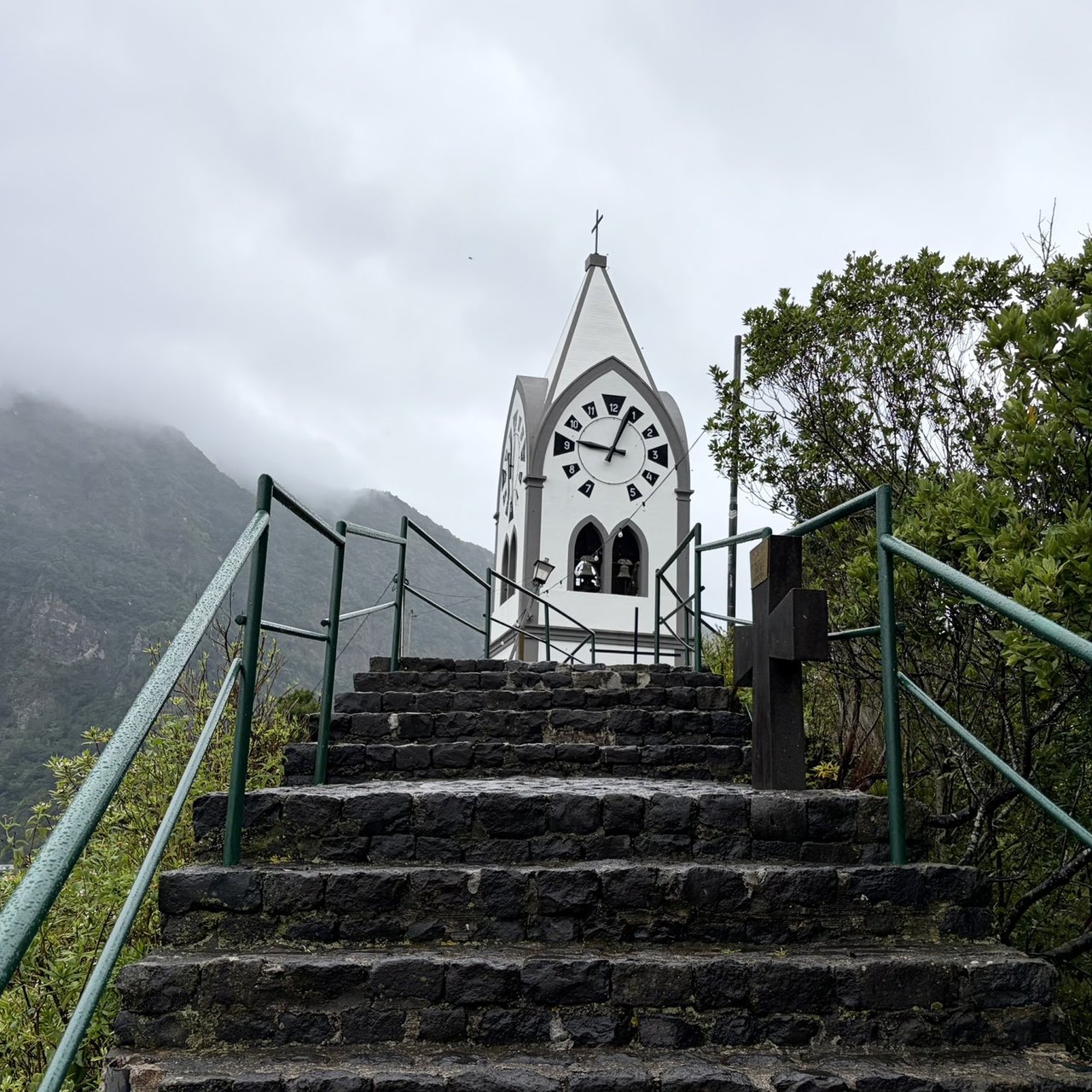
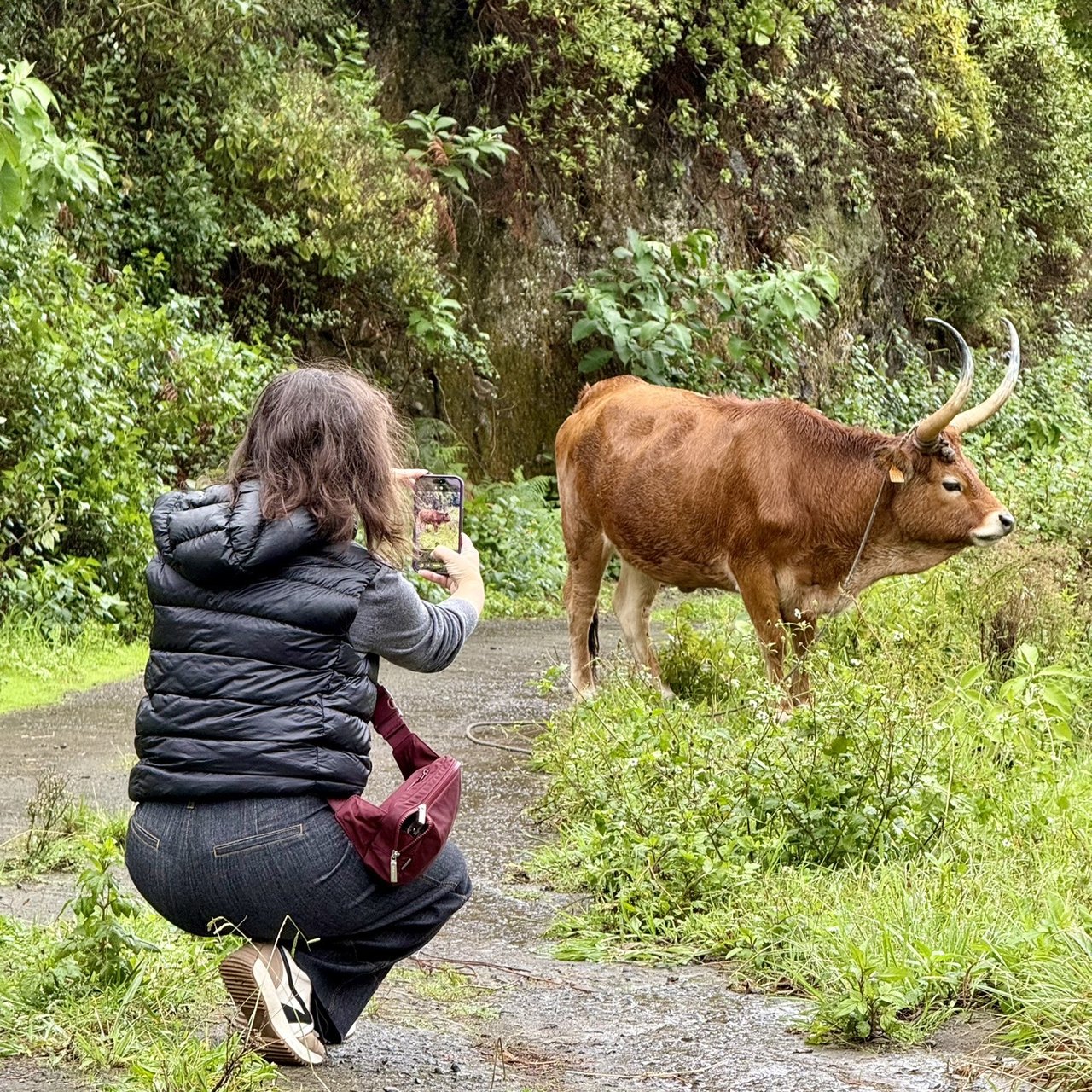
It was drizzling, but we still had one more little place we wanted to visit. Capelinha de Nossa Senhora de Fátima is a small white chapel-tower perched on top of a hill, offering panoramic views of the São Vicente valley, the surrounding mountains, and the Atlantic Ocean. We waited for a brief break in the rain and made our way up to the chapel. There’s a staircase of around 190 steps leading to it, but the views from the top are well worth the climb. And down below, right beneath the chapel, a bull was grazing. He was safely tethered, so we could take our time photographing him
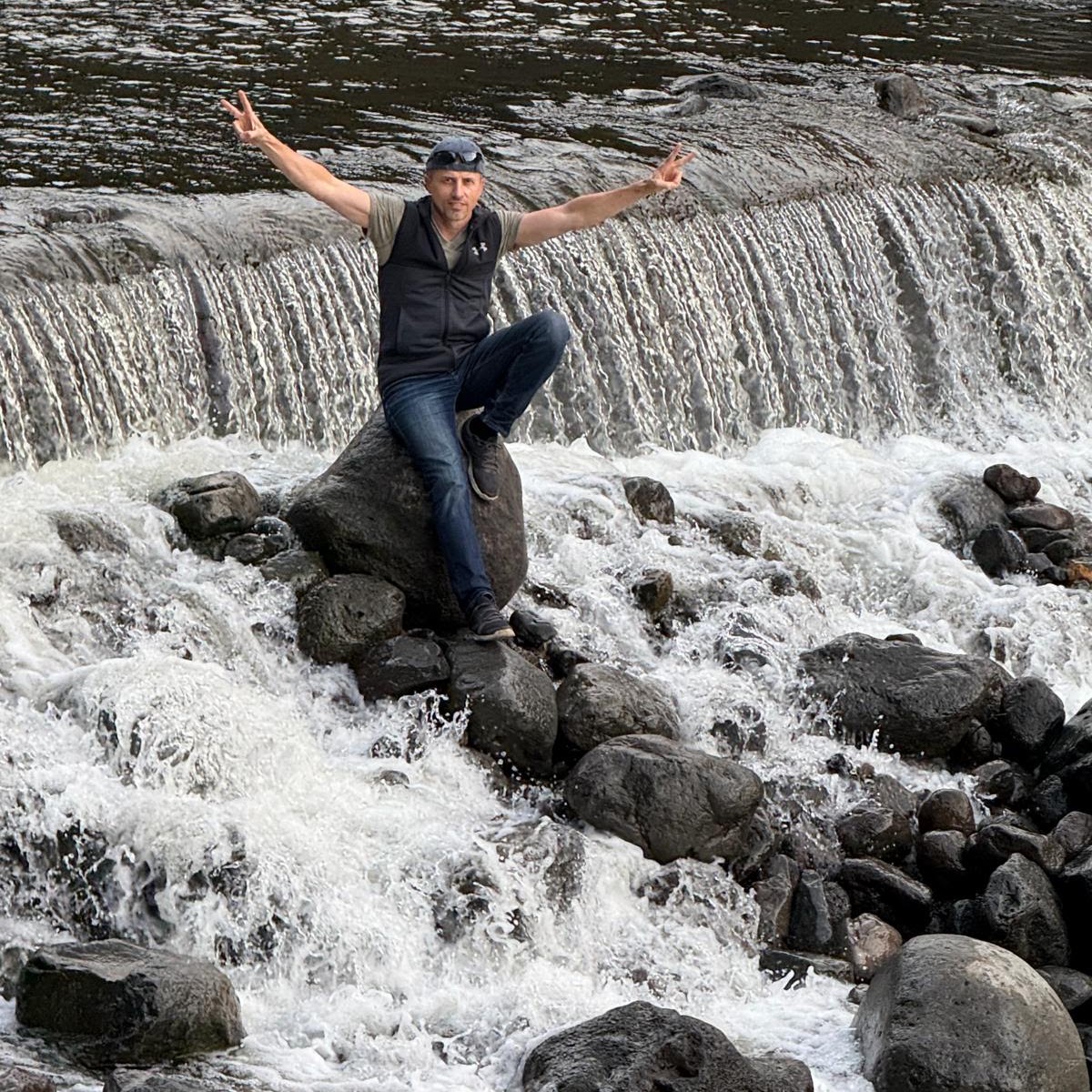
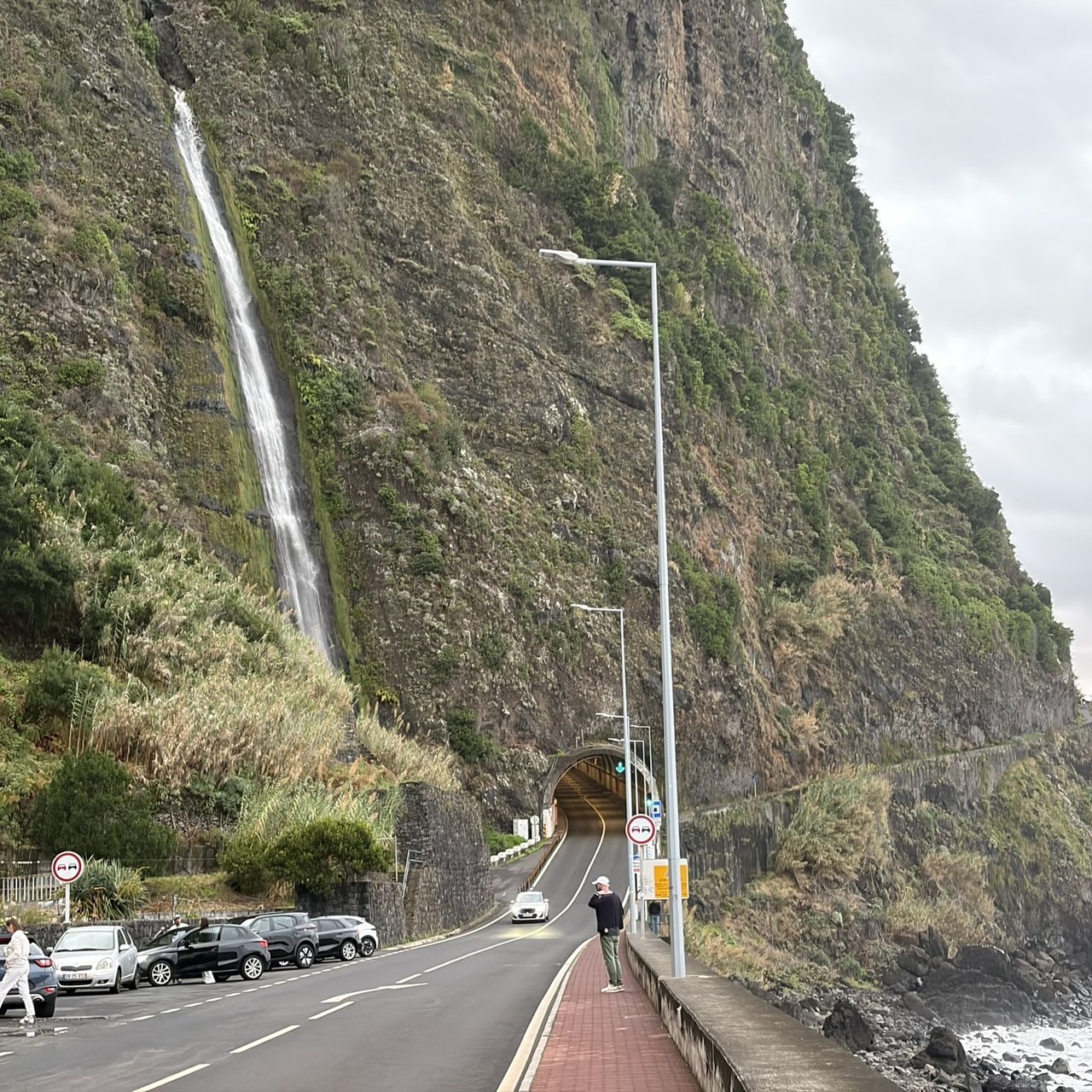
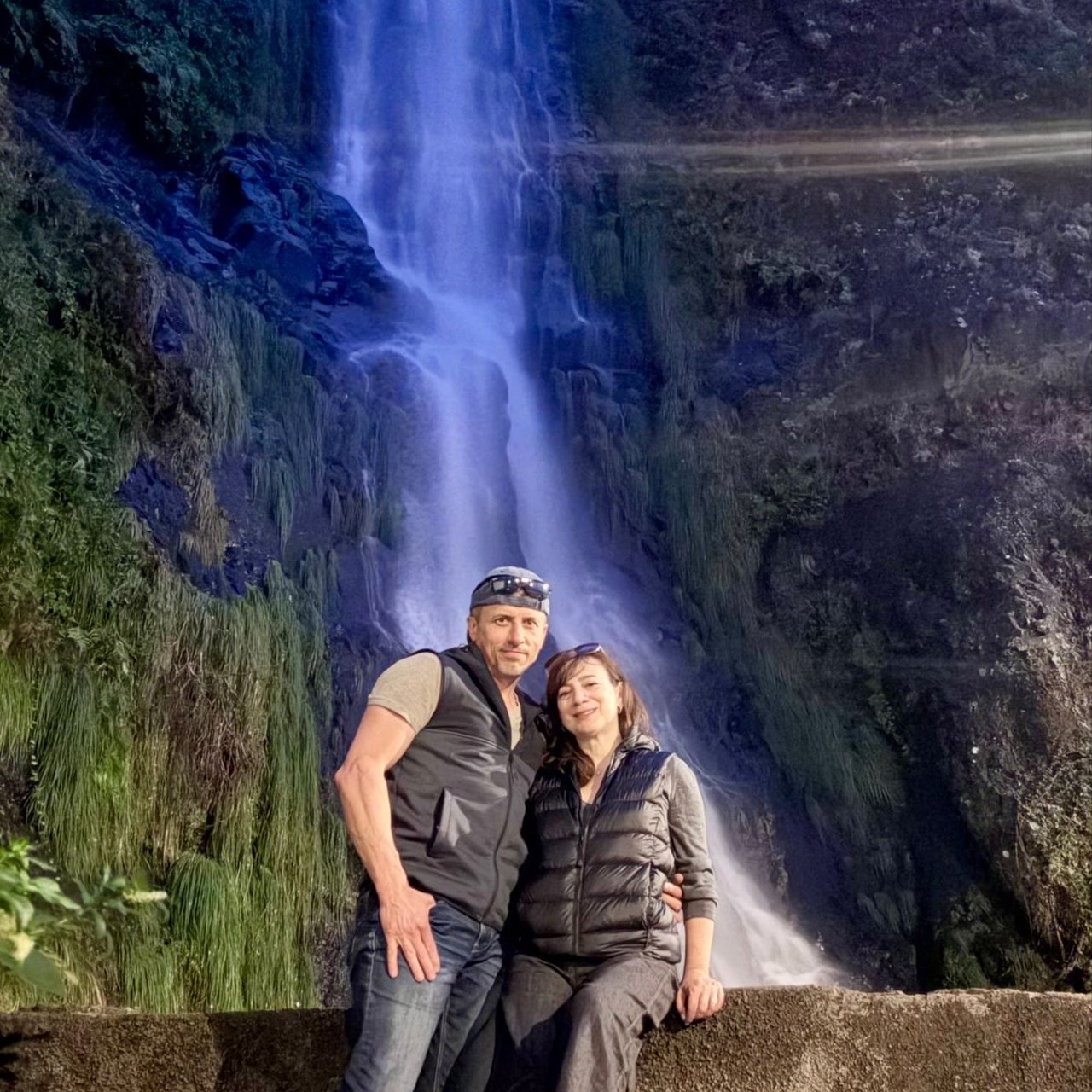
We spend quite a bit of time walking along the ocean, building little stone towers, admiring small waterfalls and, of course, we couldn’t miss the impressive Cascata da Água d’Alto. It plunges down a sheer cliff right beside the coastal road, falling from a height of around 150 metres
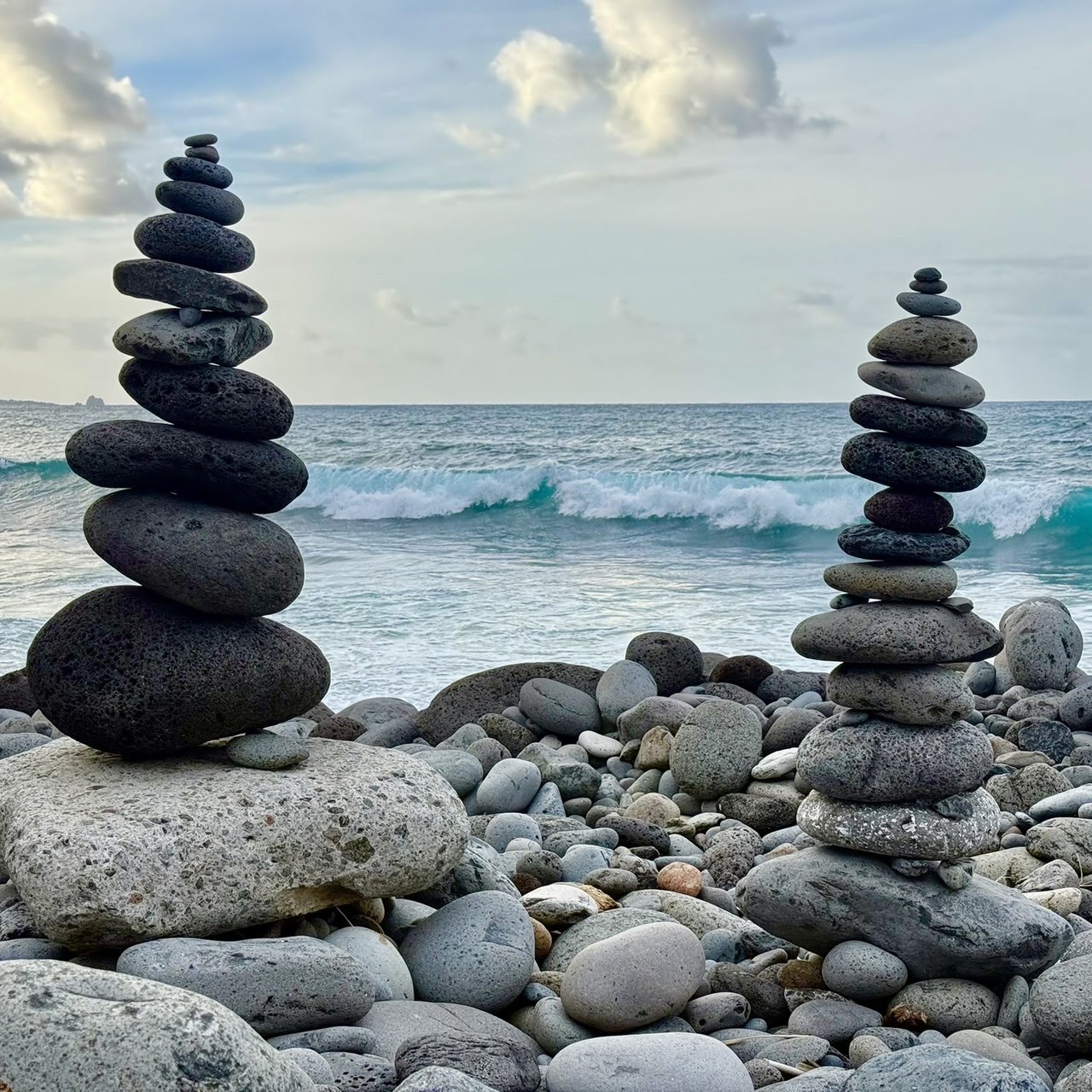
We keep exploring until evening
Day 8. Back to Funchal and Flight to Lisbon
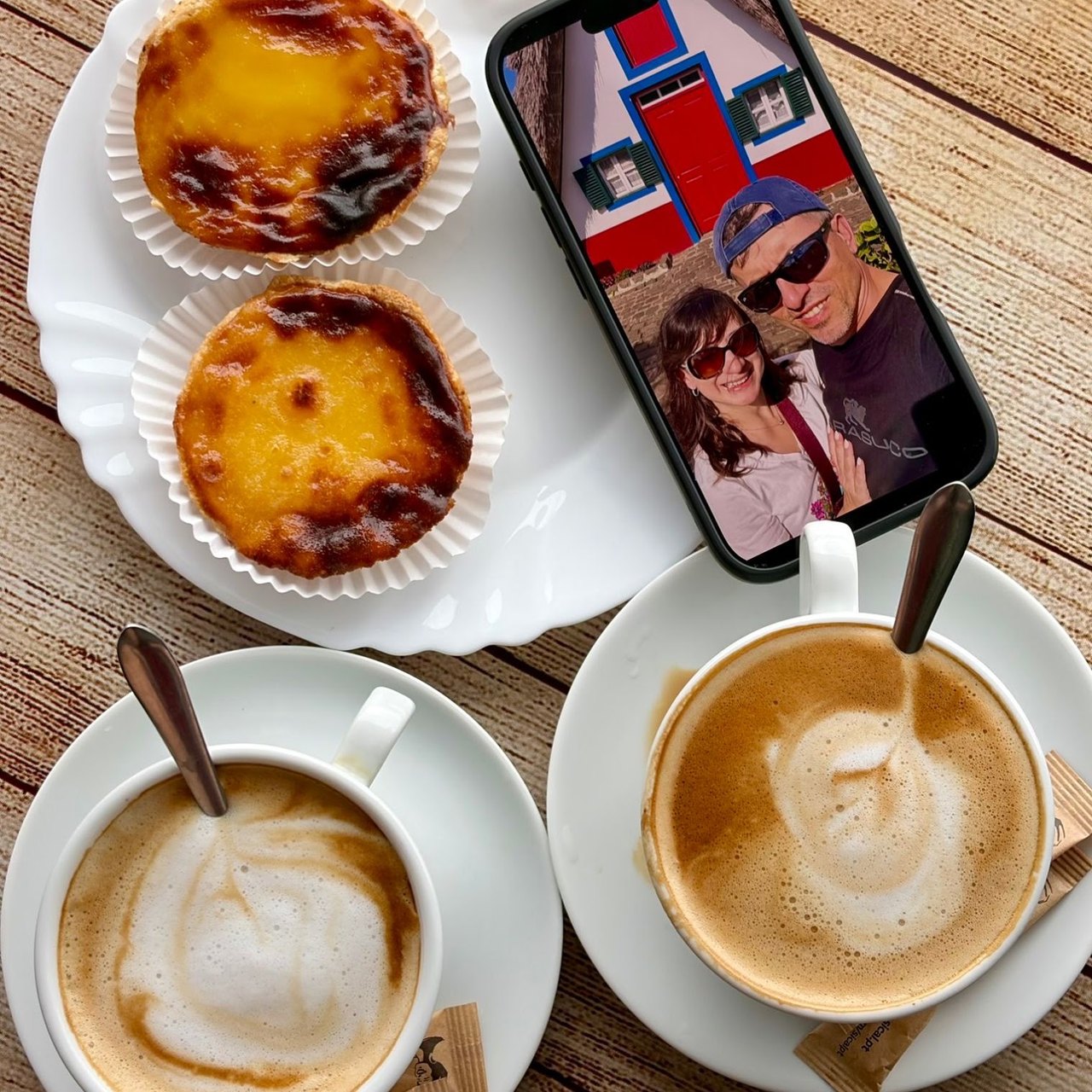
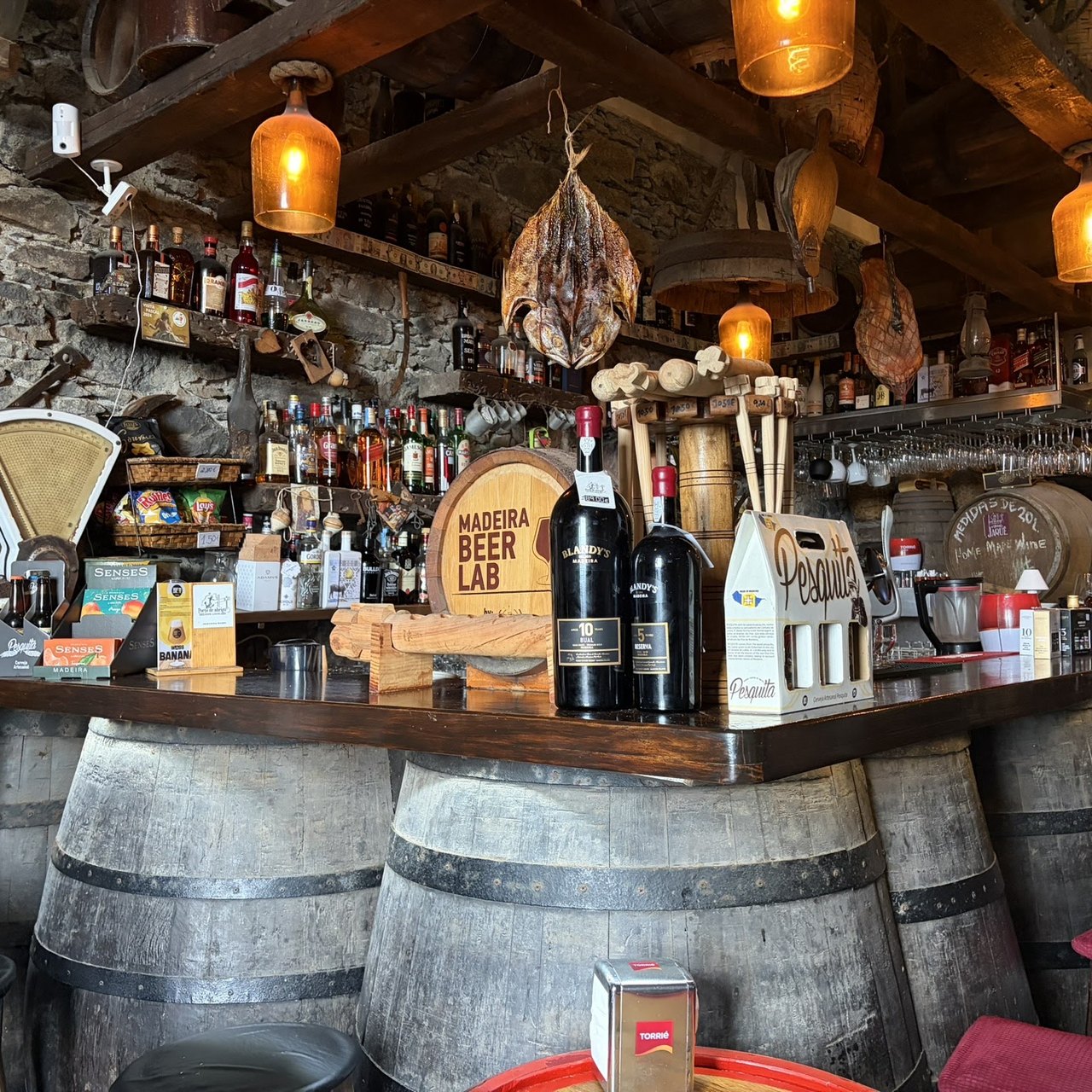
We have breakfast at the hotel, then stop for a little coffee break with some pastéis de nata and enjoy one last stroll around the area. We pop into a pub with a beautiful interior, and then make a stop at the supermarket.
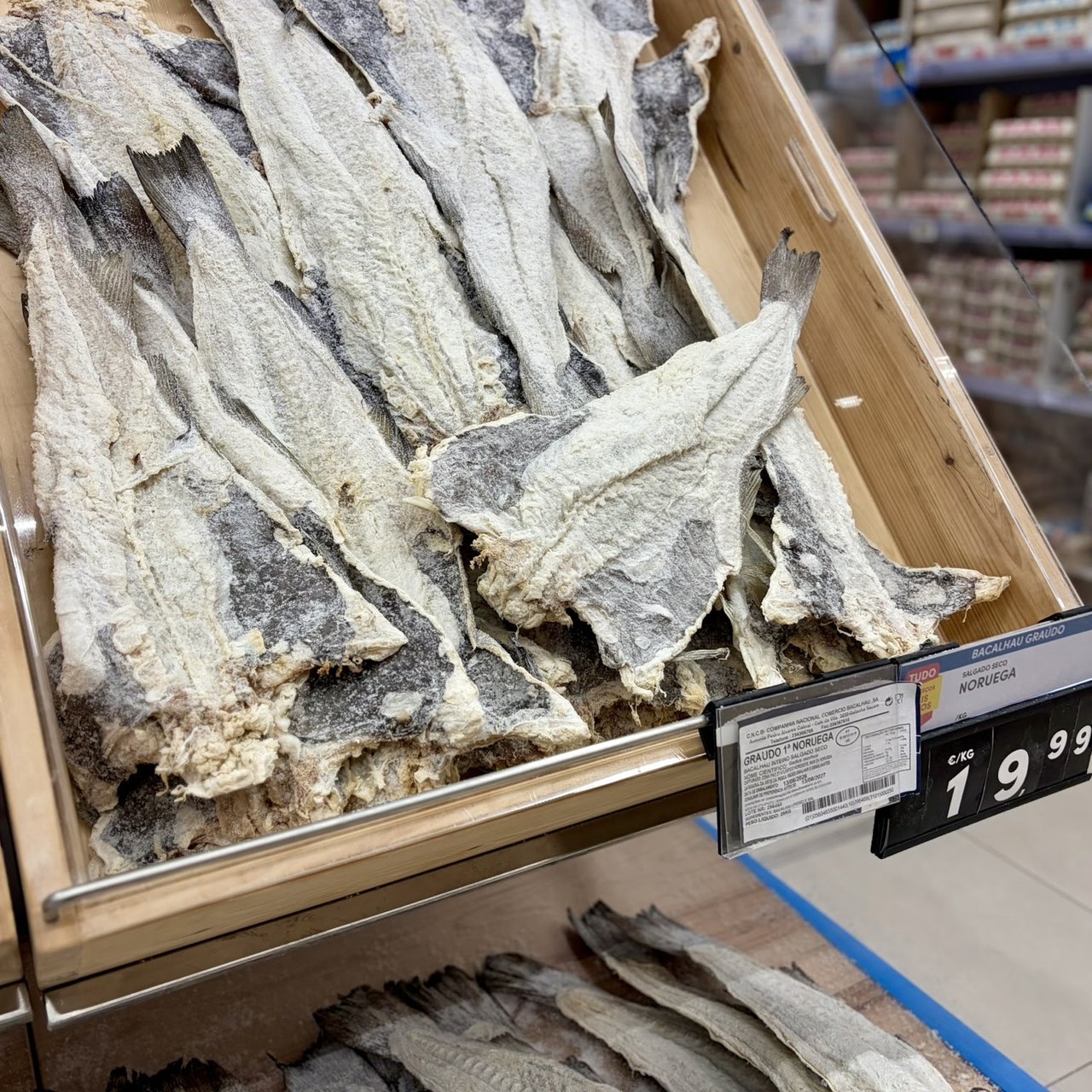
We usually picked up local cheeses, sardines, and some delicious Madeiran figs there — all perfect for little snacks throughout the day. We also came across some very tempting-looking dried fish in the supermarkets. The only problem was that it was absolutely enormous, so we never quite worked up the courage to buy one! :)
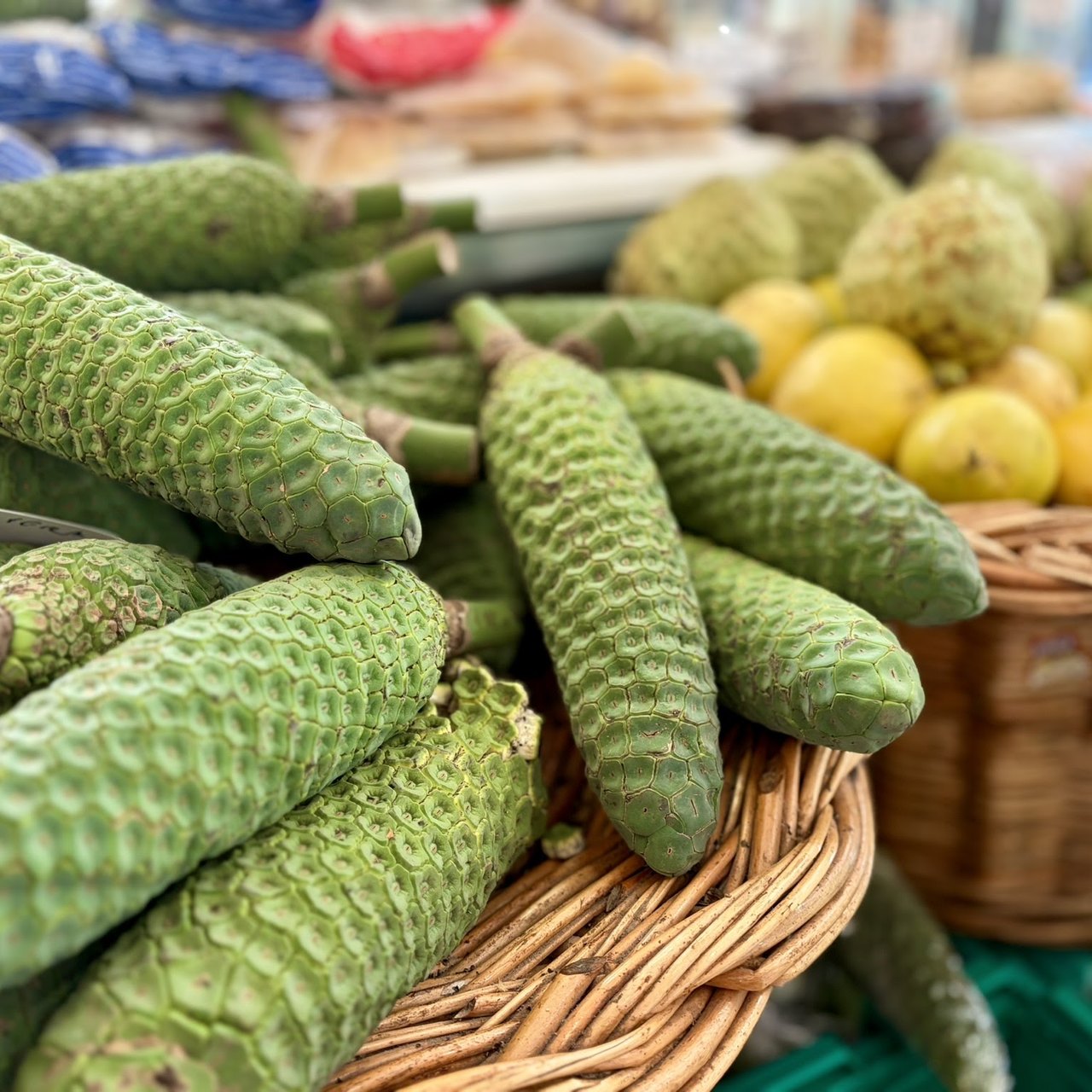
Back in Funchal, we take another little stroll through the city centre, pop into a local fruit shop, and buy some exotic fruit — banana-pineapples. We ask the shopkeeper to choose fruits that are still unripe, and he assures us that in about a week they will begin to open up and be ready to eat. This works out perfectly: we’ll have just enough time to bring them home to Toronto so that our family can try this unusual exotic fruit, too.
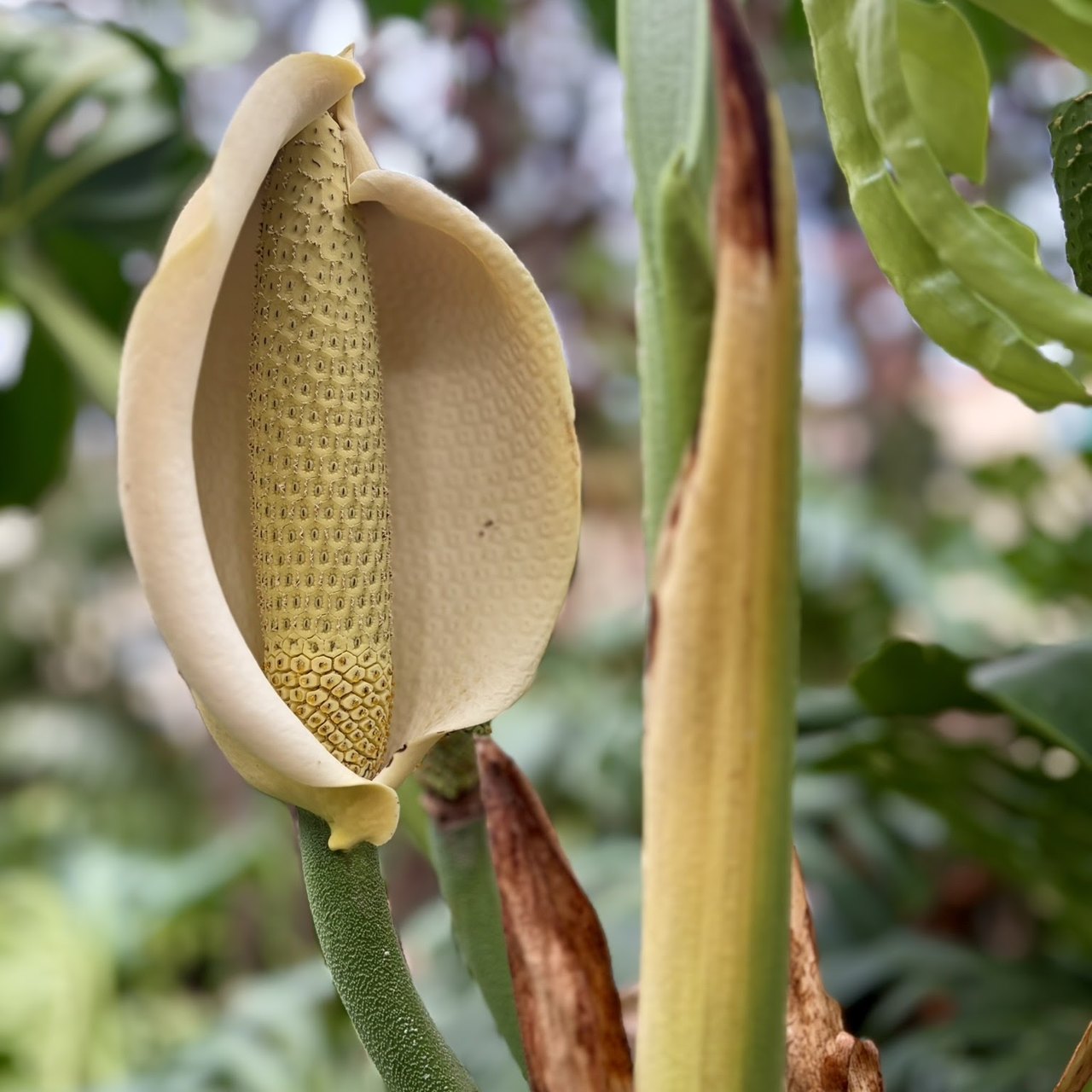
The banana-pineapple, or Monstera deliciosa, is a rather unusual tropical fruit that grows on a large monstera plant. It looks like an elongated green cone covered in tightly packed scales. As it ripens, these scales gradually separate, revealing the juicy flesh inside. The taste is amazing — somewhere between pineapple, banana, and mango, with a delicate sweet aroma. The important thing is to wait until it is fully ripe: unripe fruit contains substances that can irritate the lining of the mouth and throat, so it should never be eaten too early.
We also pop into one of the many Força Portugal sports shops. You come across these little shops quite often in Funchal — after all, this is Cristiano Ronaldo’s home island. He is a true local legend, so it’s hardly surprising that his image and football merchandise are everywhere
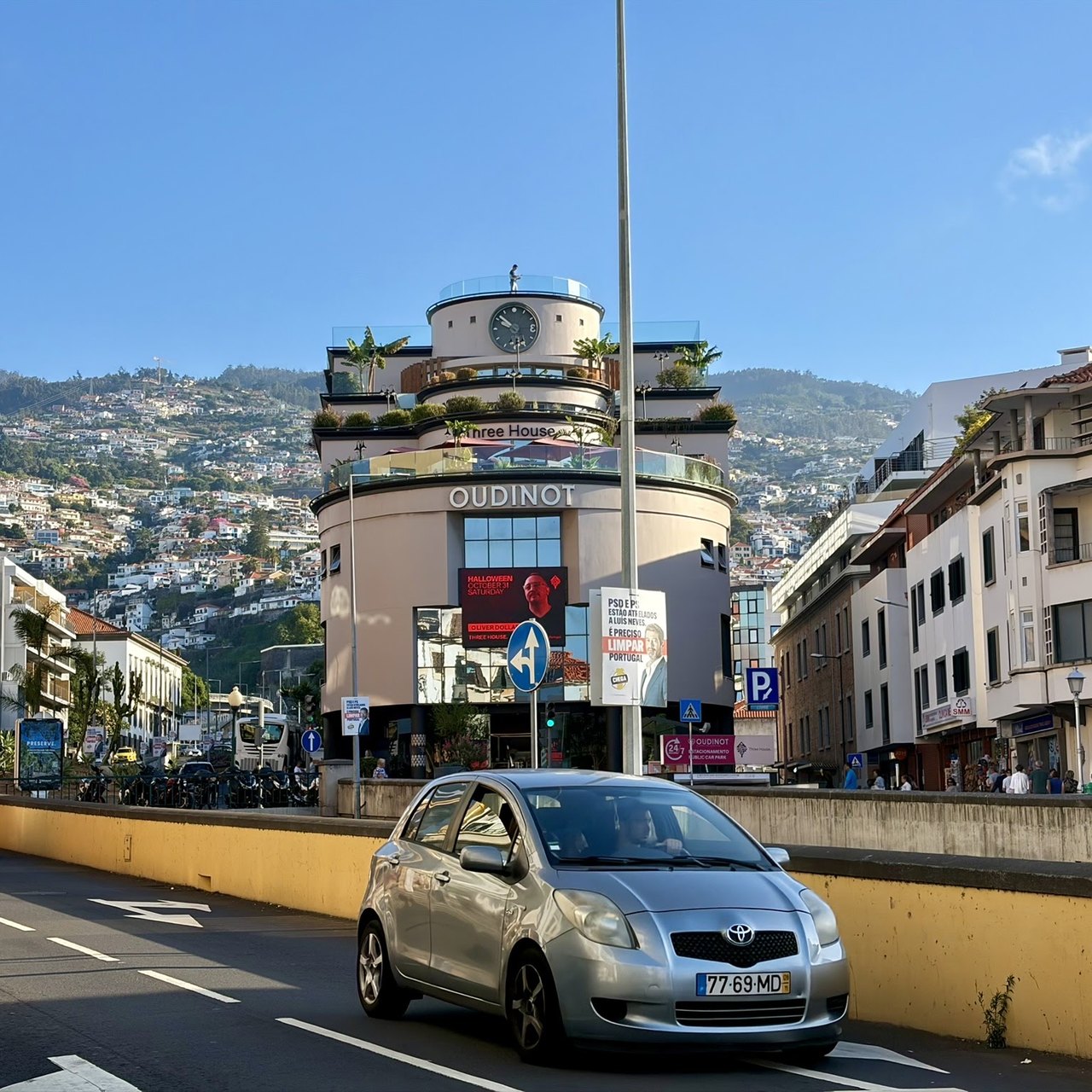

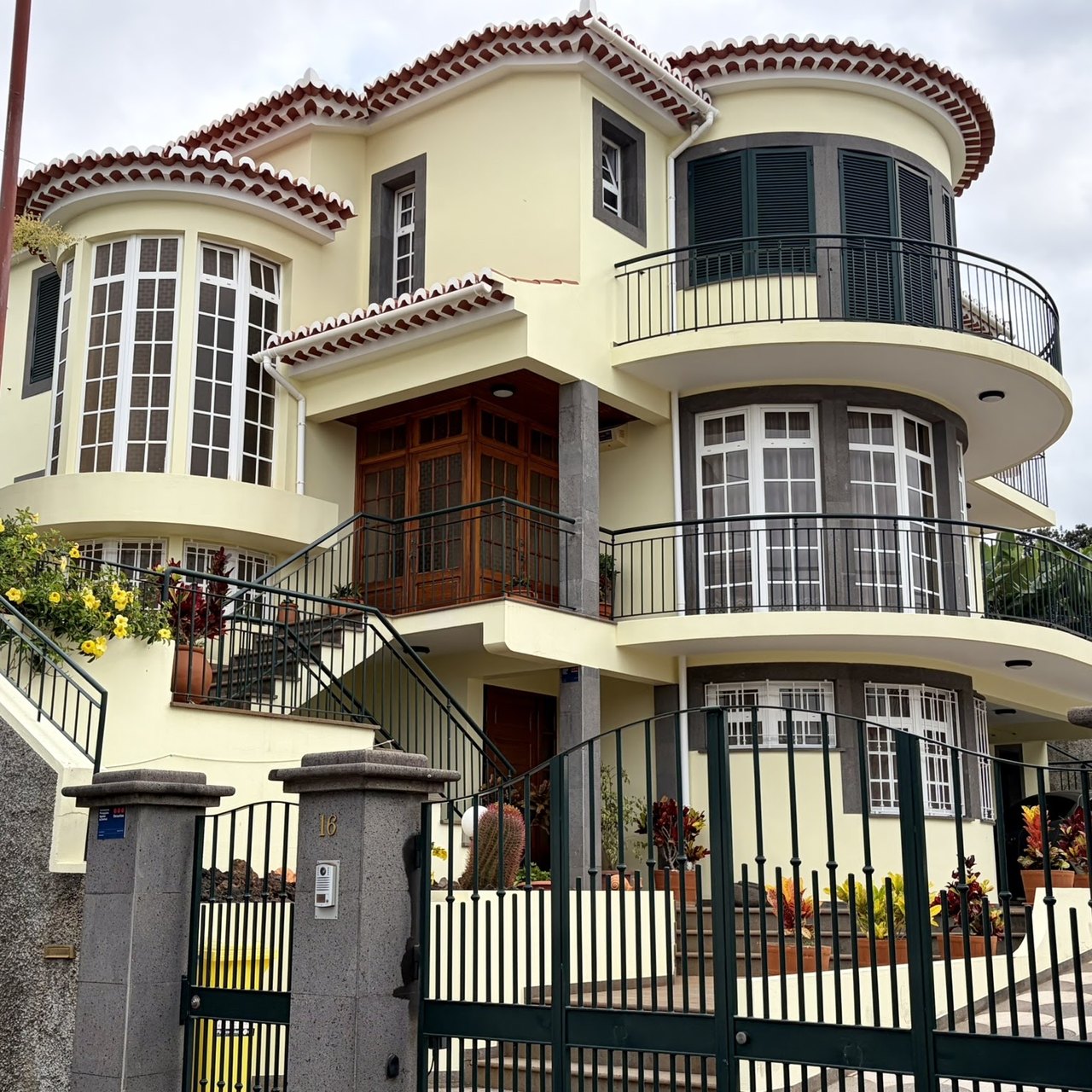
We stop at Forum Madeira shopping centre. We park next to a very beautiful villa and then enjoy a little shopping
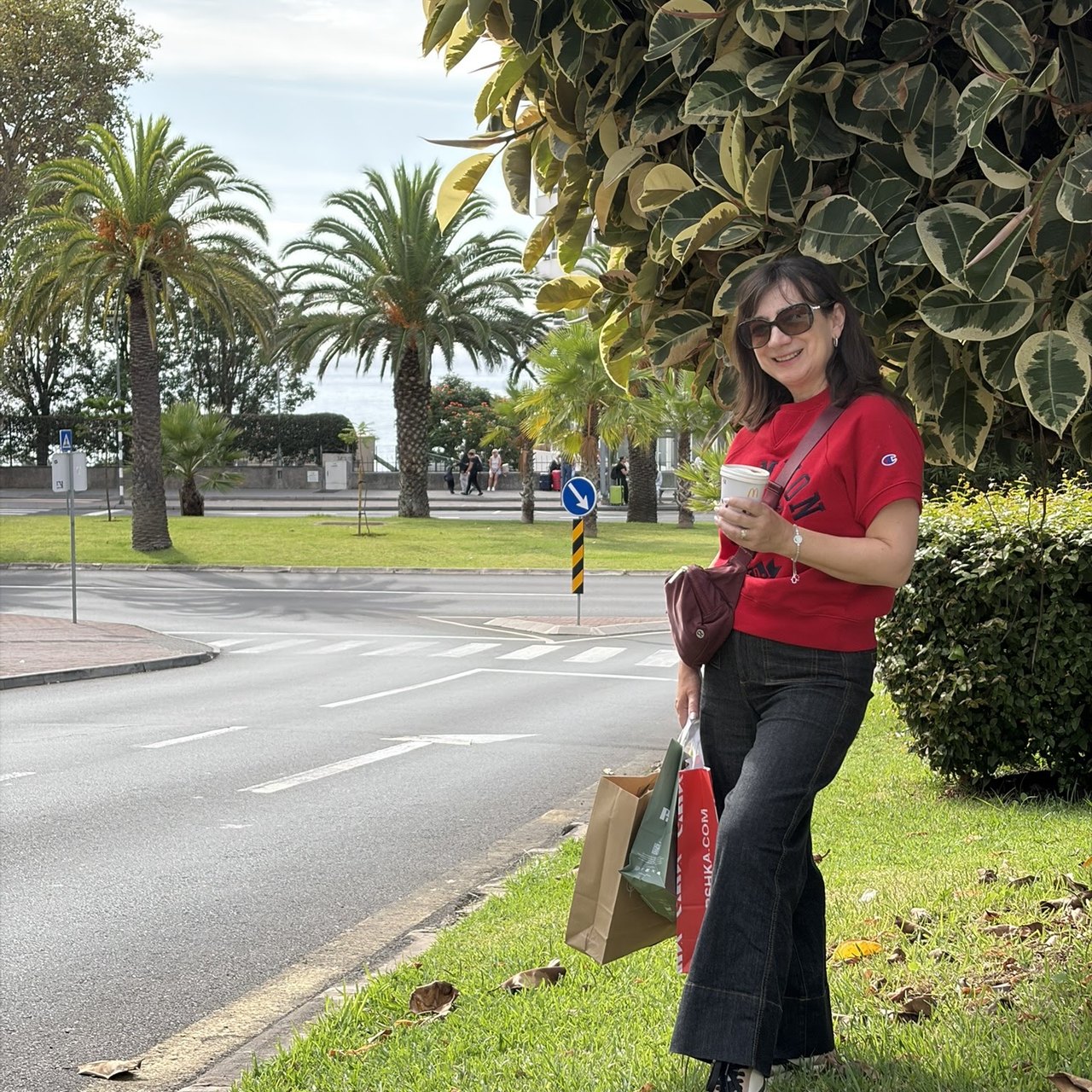
Bye-bye, Madeira! It’s time for us to head to the airport, as we still have a few more days in Lisbon ahead of us. But more about that next time...